Brunellia
Brunellia · Accepted scientific name
Scientific literature: Very Sparse (0 studies) · ★☆☆☆☆
Brunellia is a unique genus of flowering plants primarily found in the lush, tropical rainforests of Central and South America. These woody shrubs or small trees are often distinguished by their striking, textured bark and small, inconspicuous flowers. While they contribute significantly to forest biodiversity, they are not typically associated with medical conditions like cachexia. Understanding their ecological role requires a deep look into the specific microclimates they inhabit. Collectors and botanists alike find them fascinating due to their specialized evolutionary adaptations.
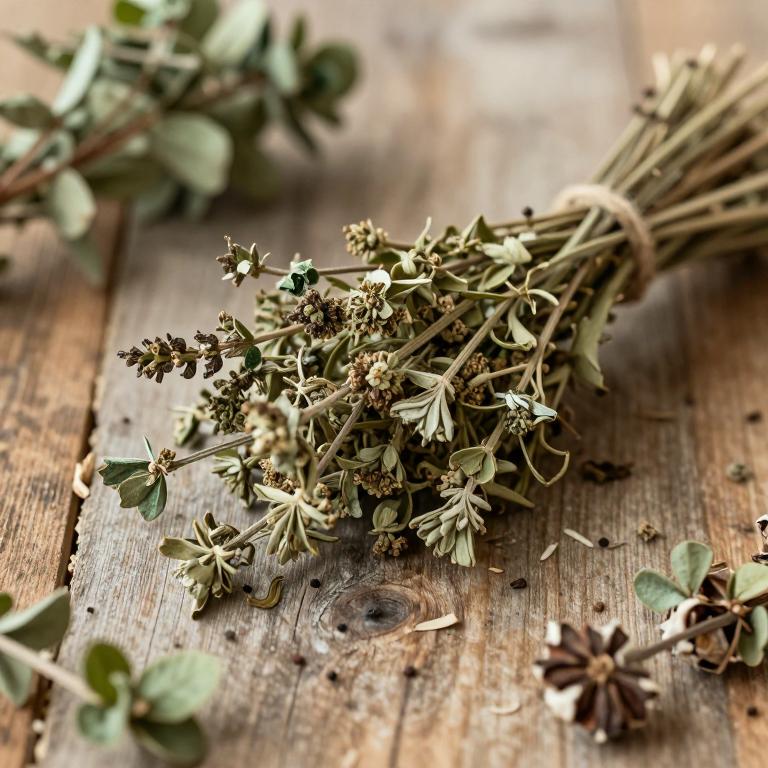
- Synonyms
- Apopetalum
- Common names
- Not available
- Family
- Brunelliaceae
- Distribution
- Asia-Temperate
- Plant Parts
- Not available
Classification
Common Names
Brunellia is a unique genus of plants that is recognized by various names across different languages and cultures. In English-speaking regions, it is most frequently referred to by its common name, brunélia. This nomenclature is mirrored in Cyrillic scripts, where it is known as Брунеллия. For those studying the plant within a Chinese context, it is identified by the name 瓣裂果屬. These diverse linguistic labels highlight the global reach and botanical significance of this fascinating genus.
Sources: Catalogue of Life (COL)
Synonyms
Brunellia is a fascinating genus of plants that has long been a subject of botanical study. Within its taxonomic history, researchers have noted a significant connection to the genus Apopetalum. In fact, the name Apopetalum serves as a recognized synonym for Brunellia in various scientific contexts. Understanding these overlapping classifications is essential for anyone navigating the complexities of plant nomenclature. This relationship highlights the intricate ways in which different species are categorized and renamed over time.
Sources: The World Checklist of Vascular Plants (WCVP)
Taxonomy
Brunellia belongs to the vast kingdom Plantae, representing a unique branch of the living world. Within this botanical realm, the plant is classified under the class Equisetopsida. It specifically falls into the order Oxalidales, which helps scientists understand its evolutionary lineage. Furthermore, the plant is a member of the Brunelliaceae family. Ultimately, it is defined by its distinct identity within the Brunellia genus.
| Rank | Classification |
|---|---|
| Kingdom | Plantae |
| Phylum | Streptophyta |
| Class | Equisetopsida |
| Subclass | Magnoliidae |
| Order | Oxalidales |
| Family | Brunelliaceae |
| Genus | Brunellia |
Sources: The World Checklist of Vascular Plants (WCVP)
Distribution
Geographic Regions
Brunellia exhibits a broad and diverse geographical range that spans across multiple continents. In North America, the genus is widely distributed throughout Mexico, including its central, gulf, southeast, and southwest regions. Its presence also extends into the Caribbean, where it can be found inhabiting the island of Cuba. Furthermore, the genus maintains a significant presence throughout Southern America. This wide-reaching distribution highlights the plant's ability to adapt to various ecological niches across the Americas.
Sources: The World Checklist of Vascular Plants (WCVP)
Identification
Biological Activities
Compounds
Conditions
Brunellia is a component of the Alzoon concoction, which is claimed to treat cachexia and anemia resulting from malignant tumors. This mixture is also intended to provide relief for desperate end-stage cancer patients. Furthermore, the preparation is used to relieve severe pain associated with these conditions. Ultimately, the therapy is marketed to enhance the overall quality of life for those using it.