Brickellia atractyloides var. arguta
Brickellia atractyloides var. arguta · Accepted scientific name
Scientific literature: Very Sparse (0 studies) · ★☆☆☆☆
Brickellia atractyloides var. arguta is a distinct botanical variety recognized for its unique morphological characteristics. This plant is particularly noteworthy for its complex chemical profile, which includes a variety of beneficial flavonoids. Among its specific constituents is 6-methoxykaempferol 3-O-beta-D-robinobioside, a compound that highlights its phytochemical richness. Understanding these secondary metabolites provides valuable insight into the biological potential of this species. As researchers continue to explore its properties, this variety remains a subject of significant interest in the field of plant chemistry.
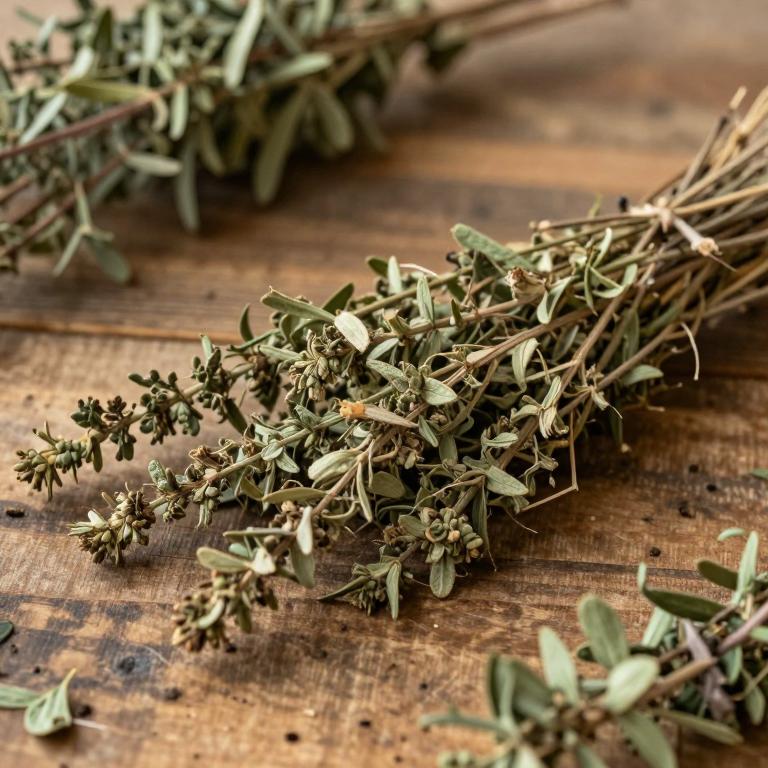
- Synonyms
- Coleosanthus Argutus · Brickellia Arguta
- Common names
- Not available
- Family
- Asteraceae
- Distribution
- Not available
- Plant Parts
- Not available
Classification
Common Names
Brickellia atractyloides var. arguta is a distinct botanical variety commonly known by its descriptive name, the pungent brickellbush. This plant is easily identified by its unique characteristics which set it apart from other members of its genus. Its common name reflects the specific sensory qualities that define the species during observation. Understanding these naming relationships helps botanists and enthusiasts categorize the plant accurately within its ecosystem. By recognizing its specific variety, one gains a deeper appreciation for the nuances of this particular shrub.
Sources: Catalogue of Life (COL)
Synonyms
Brickellia atractyloides var. arguta is a botanical taxon that is recognized under several different scientific names. In many taxonomic records, this specific variety is identified by the synonym Brickellia arguta. Furthermore, researchers may also encounter this plant listed as Coleosanthus argutus within various botanical databases. These synonymous relationships highlight the evolving nature of plant classification and nomenclature. Understanding these overlapping names is essential for ensuring accuracy when studying this particular variety.
Sources: The World Checklist of Vascular Plants (WCVP)
Taxonomy
Brickellia atractyloides var. arguta is a specialized botanical specimen belonging to the vast kingdom Plantae. Within this kingdom, the plant is classified under the class Equisetopsida, marking its place among the vascular plants. It further falls into the order Asterales, which helps define its fundamental biological structure. As a member of the genus Brickellia, it exhibits specific morphological traits unique to its lineage. Ultimately, this variety is a distinctive representative of the diverse Asteraceae family.
| Rank | Classification |
|---|---|
| Kingdom | Plantae |
| Phylum | Streptophyta |
| Class | Equisetopsida |
| Subclass | Magnoliidae |
| Order | Asterales |
| Family | Asteraceae |
| Genus | Brickellia |
Sources: The World Checklist of Vascular Plants (WCVP)
Distribution
Geographic Regions
Brickellia atractyloides var. arguta is a distinctive plant species found throughout several key regions of North America. Its natural range extends southward into Mexico, with notable populations appearing in the northwestern parts of the country. Within the United States, this variety is widely distributed across the Southwestern landscape. It can be specifically located in the arid environments of Arizona, California, and Nevada. This widespread presence highlights the plant's ability to thrive across diverse habitats in the western reaches of the continent.
Sources: The World Checklist of Vascular Plants (WCVP)
Identification
Biological Activities
Compounds
Brickellia atractyloides var. arguta serves as a rich source of bioactive compounds, specifically within the flavonoid family. Recent chemical and spectral analyses have led to the successful isolation of several significant molecules from this plant. Among these findings, the identification of 6-methoxykaempferol 3-O-beta-D-robinobioside stands out as a notable discovery. This specific flavonoid was reported for the first time through rigorous scientific investigation. Furthermore, research indicates that these types of compounds may possess important anti-cataract properties by inhibiting rat lens aldose reductase.