cabbage
Brassica · Accepted scientific name
Scientific literature: Very Sparse (21 studies) · ★☆☆☆☆
Cabbage, scientifically known as Brassica, is a nutritional powerhouse belonging to the Brassicaceae family. Renowned for its high concentrations of vitamins C and K, this versatile plant offers potent antioxidant and anti-inflammatory properties. Its medicinal value lies in supporting digestive health and providing essential compounds for cellular protection.
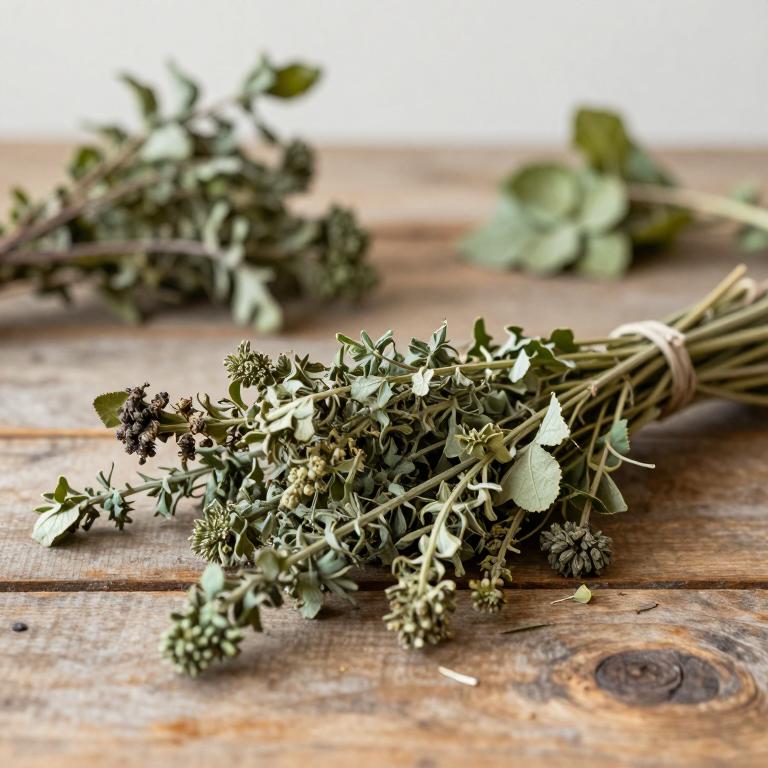
Names and Synonyms
Common Names
- cabbage
- mustard
- cabbages and mustards
Scientific Names
Accepted name
BrassicaSynonyms
- Crucifera
- Brassicaria
- Brassicastrum
- Rapa
- Napus
- Erussica
- Brassica-napus
Regional and Traditional Names
German:
- Kohl
French:
- Choux et moutardes
Sources: Wikidata, Catalogue of Life
Taxonomical Classification
This plant belongs to the kingdom Plantae and the phylum Streptophyta, falling under the class Equisetopsida and subclass Magnoliidae. Within the order Brassicales and family Brassicaceae, it is classified under the genus Brassica.
| Rank | Classification |
|---|---|
| Kingdom | Plantae |
| Phylum | Streptophyta |
| Class | Equisetopsida |
| Subclass | Magnoliidae |
| Order | Brassicales |
| Family | Brassicaceae |
| Genus | Brassica |
Sources: The World Checklist of Vascular Plants (WCVP)
Distribution
This plant exhibits a specific geographical distribution across the northern regions of Europe. It can be found growing in the coastal and inland areas of Denmark. Furthermore, its presence extends to the northern reaches of Finland. The species is also documented within the archipelago of Føroyar. Finally, its range includes the island territories of Great Britain and Ireland.
| Region | Area |
|---|---|
| Northern Europe | Denmark |
| Northern Europe | Finland |
| Northern Europe | Føroyar |
| Northern Europe | Great Britain |
| Northern Europe | Ireland |
| Northern Europe | Norway |
| Northern Europe | Sweden |
| Middle Europe | Austria |
| Middle Europe | Belgium |
| Middle Europe | Czechia-Slovakia |
Sources: The World Checklist of Vascular Plants (WCVP)
Chemicals
Brassica has 9 reported phytochemicals identified across 0 scientific publications and several other databases. The most consistently reported chemicals include Flavonoids, Glucosinolates, ABSCISIC ACID, Anthocyanins, Carotenoids.
| Chemical | Supporting sources | Consensus |
|---|---|---|
| Flavonoids | 2 supporting sources | ★☆☆☆☆ |
| Glucosinolates | 2 supporting sources | ★☆☆☆☆ |
| ABSCISIC ACID | 1 supporting sources | ★☆☆☆☆ |
| Anthocyanins | 1 supporting sources | ★☆☆☆☆ |
| Carotenoids | 1 supporting sources | ★☆☆☆☆ |
| Glucoraphanin | 1 supporting sources | ★☆☆☆☆ |
| Isothiocyanates | 1 supporting sources | ★☆☆☆☆ |
| Sulfur Compounds | 1 supporting sources | ★☆☆☆☆ |
| sulforaphane | 1 supporting sources | ★☆☆☆☆ |
Flavonoids
- Chemico-biological interactions
- Frontiers in genetics
Glucosinolates
- Food chemistry
- Chemico-biological interactions
ABSCISIC ACID
- Food chemistry
Anthocyanins
- Frontiers in genetics
Carotenoids
- Frontiers in genetics
Glucoraphanin
- Critical reviews in food science and nutrition
Isothiocyanates
- Chemico-biological interactions
Sulfur Compounds
- Food chemistry
sulforaphane
- Critical reviews in food science and nutrition
Activities
Brassica has 3 reported activities identified across 0 scientific publications and several other databases. The most consistently reported activities include Antioxidant, Cardioprotective, Neuroprotective.
| Activity | Supporting sources | Consensus |
|---|---|---|
| Antioxidant | 1 supporting sources | ★☆☆☆☆ |
| Cardioprotective | 1 supporting sources | ★☆☆☆☆ |
| Neuroprotective | 1 supporting sources | ★☆☆☆☆ |
Antioxidant
- Frontiers in plant science
Cardioprotective
- Frontiers in plant science
Neuroprotective
- Frontiers in plant science
Conditions
Brassica has 6 reported investigations on conditions identified across 0 scientific publications and several other databases. The most consistently reported conditions include Hepatocellular Carcinoma, breast cancer, cancer, colon cancer, endometrial cancer.
| Condition | Supporting sources | Consensus |
|---|---|---|
| Hepatocellular carcinoma | 1 supporting sources | ★☆☆☆☆ |
| Breast cancer | 1 supporting sources | ★☆☆☆☆ |
| Cancer | 1 supporting sources | ★☆☆☆☆ |
| Colon cancer | 1 supporting sources | ★☆☆☆☆ |
| Endometrial cancer | 1 supporting sources | ★☆☆☆☆ |
| Prostate cancer | 1 supporting sources | ★☆☆☆☆ |
Hepatocellular carcinoma
- Cells
Breast cancer
- Cells
Cancer
- Critical reviews in food science and nutrition
Colon cancer
- Cells
Endometrial cancer
- Cells
Prostate cancer
- Cells