Brachylaena discolor
Brachylaena discolor · Accepted scientific name
Scientific literature: Very Sparse (1 studies) · ★☆☆☆☆
Brachylaena discolor is a versatile medicinal plant recognized for its significant therapeutic potential in traditional medicine. Recent studies have highlighted its notable antidiabetic activities, making it a subject of interest for metabolic health. It is primarily utilized in the management of Type 2 Diabetes Mellitus due to its bioactive properties. To harness these benefits, the plant is commonly prepared as either a decoction or an infusion. Understanding these specific preparations is essential for exploring its role in regulating blood glucose levels.
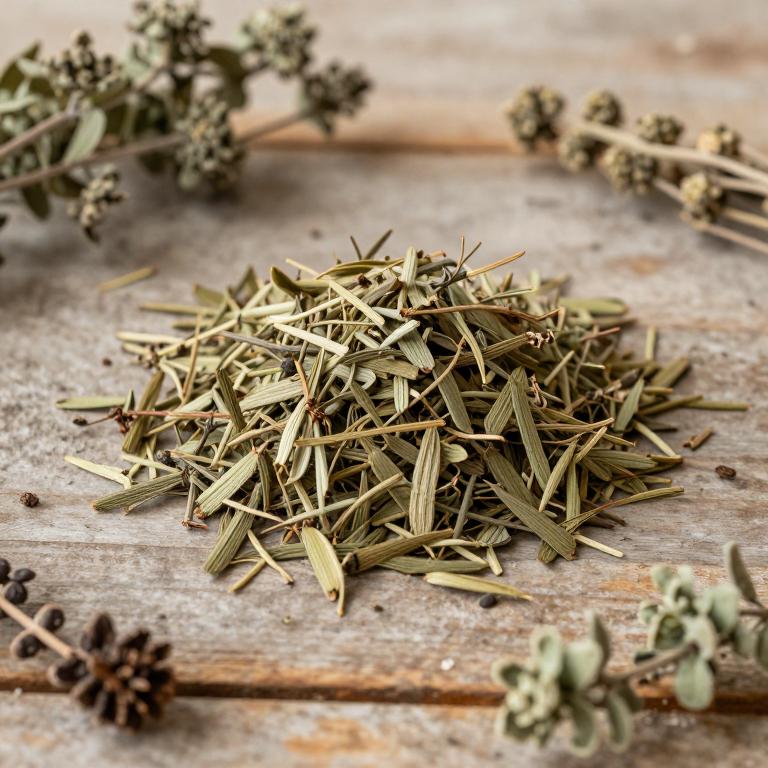
- Synonyms
- Not available
- Common names
- Not available
- Family
- Asteraceae
- Distribution
- Asia-Tropical
- Plant Parts
- Not available
Classification
Common Names
Brachylaena discolor is a versatile species known by several different names depending on the region. It is frequently referred to as the Coast Silver Oak or the Coastal Silver-oak in various botanical texts. Some enthusiasts also identify this plant as the Coastal Silverleaf due to its distinctive foliage. In certain local contexts, it is commonly called the Bitter Blaar. Regardless of the name used, this plant remains a distinctive feature of its native coastal environment.
Sources: Catalogue of Life (COL)
Taxonomy
Brachylaena discolor is a fascinating botanical specimen belonging to the kingdom Plantae. Within this vast kingdom, the plant is classified under the class Equisetopsida. It specifically falls under the order Asterales, which helps scientists understand its evolutionary lineage. Moving further into its classification, it is a member of the diverse family Asteraceae. Ultimately, this species is defined by its placement within the genus Brachylaena.
| Rank | Classification |
|---|---|
| Kingdom | Plantae |
| Phylum | Streptophyta |
| Class | Equisetopsida |
| Subclass | Magnoliidae |
| Order | Asterales |
| Family | Asteraceae |
| Genus | Brachylaena |
Sources: The World Checklist of Vascular Plants (WCVP)
Distribution
Geographic Regions
Brachylaena discolor is a resilient species with a broad geographical presence across the African continent. Its natural distribution spans the diverse landscapes of South Tropical Africa, including specific populations in Mozambique and Zimbabwe. Moving further south, the plant is well-established within the Southern African region, particularly throughout Botswana. It also finds significant habitats within the Cape Provinces and extends its range into Eswatini. This wide-reaching presence highlights the plant's ability to adapt to various ecological niches across the southern reaches of Africa.
Sources: The World Checklist of Vascular Plants (WCVP)
Identification
Morphology
Brachylaena discolor is a versatile species characterized by its distinct tree growth form. As a self-supporting plant, it maintains a sturdy structure that allows it to thrive in various environments. Depending on its specific conditions, the height of the tree can range from a modest 1.79 m to a much more imposing stature. In ideal settings, this impressive plant can reach a maximum height of 30.47 m.
Sources: Global Inventory of Floras and Traits (GIFT)
Biological Activities
Brachylaena discolor emerged as a standout candidate during an optimized screening of indigenous South African plants traditionally used for medicinal purposes. Through a rigorous evaluation of glucose utilization across Chang liver, 3T3-L1 adipose, and C2C12 muscle cell lines, the species demonstrated significant antidiabetic activity. Remarkably, all parts of the plant yielded high activity scores, suggesting a potent and versatile therapeutic potential. Unlike several other tested species, Brachylaena discolor exhibited negligible toxicity in both hepatocytes and adipocytes, making it a promising subject for further study. This high-scoring performance underscores its value as a potential drug candidate in the ongoing search for new antidiabetic leads.
Compounds
Conditions
Brachylaena discolor demonstrates significant medicinal potential by treating type 2 diabetes mellitus through its ability to lower blood sugar levels. Research indicates that the plant effectively treats decreasing blood glucose levels and aids in glucose utilisation across all three tested cell lines. Beyond metabolic management, this species is also documented as a treatment for various skin disorders. These combined properties highlight its importance in both managing chronic metabolic conditions and addressing dermatological concerns.
Preparations
Brachylaena discolor is utilized in traditional medicinal practices through specific preparation methods. The plant is prepared as a decoction to harness its potential therapeutic properties. Additionally, Brachylaena discolor is prepared as an infusion for ethnomedicinal use. These traditional methods are part of its role in managing type 2 diabetes mellitus. Utilizing these specific preparation techniques is central to the historical application of the species.