Boucerosia diffusa
Boucerosia diffusa · Accepted scientific name
Scientific literature: Very Sparse (2 studies) · ★☆☆☆☆
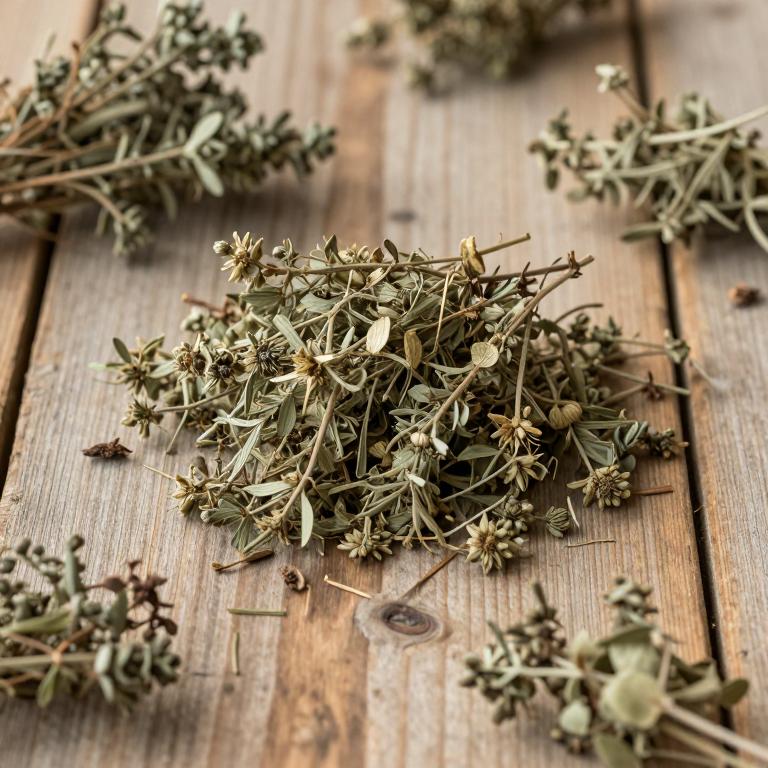
Boucerosia diffusa, scientifically known as Boucerosia diffusa, is a versatile medicinal plant cherished in traditional healing practices. Often found in tropical regions, it is highly valued for its therapeutic properties, particularly in treating skin ailments and inflammation. Exploring its phytochemical potential offers promising insights into modern natural pharmacology.
- Family
- Apocynaceae
- Native range
- Asia-Tropical
- Parts used
- Not available
- Common names
- Not available
- Scientific synonyms
- Caralluma Diffusa · Desmidorchis Diffusa · 1 more
Names and Synonyms
Scientific Names
Accepted name
Boucerosia diffusaSynonyms
- Caralluma diffusa
- Desmidorchis diffusa
- Ceropegia diffusa
Sources: Wikidata, Catalogue of Life
Taxonomical Classification
This plant belongs to the kingdom Plantae and the phylum Streptophyta, falling under the class Equisetopsida and subclass Magnoliidae. Within the order Gentianales, it is classified under the family Apocynaceae and the genus Boucerosia. As a member of this specific lineage, Boucerosia diffusa is defined by these distinct taxonomic characteristics.
| Rank | Classification |
|---|---|
| Kingdom | Plantae |
| Phylum | Streptophyta |
| Class | Equisetopsida |
| Subclass | Magnoliidae |
| Order | Gentianales |
| Family | Apocynaceae |
| Genus | Boucerosia |
Sources: The World Checklist of Vascular Plants (WCVP)
Distribution
This plant, known scientifically as Boerhavia diffusa, possesses a specific geographical range within the Asian continent. Its primary distribution is centered within the Indian Subcontinent. Specifically, it can be found growing naturally across various regions of India. The species thrives in the diverse environmental conditions provided by this vast territory. Consequently, its presence is most notable throughout the diverse landscapes of the Indian subcontinent.
| Region | Area |
|---|---|
| Indian Subcontinent | India |
Sources: The World Checklist of Vascular Plants (WCVP)
Chemicals
Boucerosia diffusa has 2 reported phytochemicals identified across 0 scientific publications and several other databases. The most consistently reported chemicals include 2,4-dichlorophenoxyacetic acid, 6-Benzylaminopurine.
| Chemical | Supporting sources | Consensus |
|---|---|---|
| 2,4-dichlorophenoxyacetic acid | 1 supporting sources | ★☆☆☆☆ |
| 6-Benzylaminopurine | 1 supporting sources | ★☆☆☆☆ |
2,4-dichlorophenoxyacetic acid
- 3 Biotech
6-Benzylaminopurine
- 3 Biotech