Boswellia elongata
Boswellia elongata · Accepted scientific name
Scientific literature: Very Sparse (0 studies) · ★☆☆☆☆
Boswellia elongata is a significant medicinal plant known for its diverse therapeutic potential in traditional medicine. Recent scientific studies have focused on evaluating the biological efficacy of its methanolic and aqueous extracts. Research indicates that these various preparations demonstrate promising activity against several types of Gram-Positive bacteria. Furthermore, the plant's chemical constituents are being investigated for their potential impact on the treatment of malaria. Consequently, the exploration of both methanolic extracts and general extracts continues to reveal new insights into its pharmacological properties.
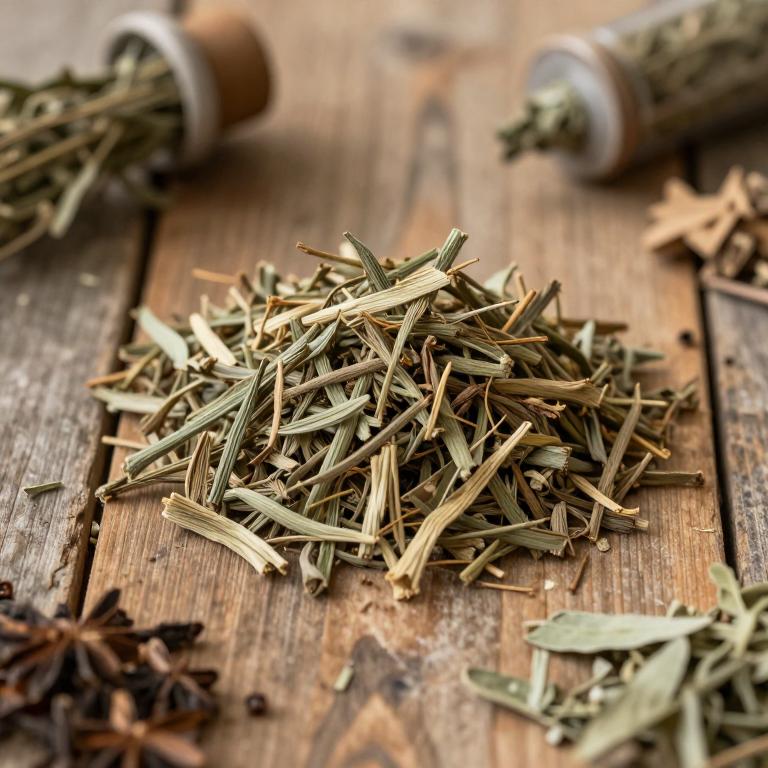
- Synonyms
- Not available
- Common names
- Not available
- Family
- Burseraceae
- Distribution
- Not available
- Plant Parts
- Not available
Classification
Common Names
Boswellia elongata is a distinct botanical species recognized by various names across different linguistic traditions. In Russian-speaking regions, it is commonly referred to as Босвеллия удлиненная. Meanwhile, those studying its properties in an East Asian context may identify it as 長葉乳香樹. These diverse designations highlight the global interest in this important plant. Understanding these common names is essential for accurate identification and communication within the botanical community.
Sources: Catalogue of Life (COL)
Taxonomy
Boswellia elongata is a distinctive member of the kingdom Plantae. Within this vast biological group, it is specifically classified under the class Equisetopsida. This species belongs to the order Sapindales, showcasing its evolutionary connection to other diverse flowering plants. Further narrowing its biological identity, it is situated within the family Burseraceae. Ultimately, its formal scientific classification places it firmly under the genus Boswellia.
| Rank | Classification |
|---|---|
| Kingdom | Plantae |
| Phylum | Streptophyta |
| Class | Equisetopsida |
| Subclass | Magnoliidae |
| Order | Sapindales |
| Family | Burseraceae |
| Genus | Boswellia |
Sources: The World Checklist of Vascular Plants (WCVP)
Distribution
Geographic Regions
Boswellia elongata is a distinctive species with a specialized geographical range spanning across much of Africa. Its presence is particularly notable throughout Northeast Tropical Africa, where it adapts to specific environmental conditions. A key stronghold for this plant is the unique island of Socotra, which serves as a critical habitat for its survival. By occupying these diverse locations, the species maintains a vital ecological footprint within its native territories. Understanding this distribution is essential for the conservation efforts directed toward this important botanical treasure.
Sources: The World Checklist of Vascular Plants (WCVP)
Identification
Biological Activities
Compounds
Conditions
Boswellia elongata demonstrates significant medicinal potential through its ability to treat Gram-positive bacteria, including multiresistant Staphylococcus strains. The plant's methanolic extracts also exhibit notable anti-influenza virus type A activity. Furthermore, Boswellia elongata shows inhibitory effects against key enzymes, specifically treating aminopeptidase N (APN) and angiotensin converting enzyme (ACE). The species is also recognized for its capacity to treat acetylcholinesterase inhibitory activity. These diverse biological actions highlight the multifaceted therapeutic properties of this endemic Soqotran plant.
Preparations
Boswellia elongata is prepared as methanolic extracts to screen for inhibitory activity against peptidases such as ACE, NEP, and APN. In studies regarding antimicrobial activity on the island of Soqotra, this plant is prepared as methanol extracts to test against various bacteria and yeast. To evaluate its potential for treating malaria, Boswellia elongata is prepared as methanolic and aqueous extracts for antiplasmodial testing. Furthermore, the plant is prepared as methanol extracts to investigate its antiviral activity against the influenza virus. These different extraction methods allow for the comprehensive phytochemical screening and medicinal assessment of the species.