Blechnum moorei
Blechnum moorei · Accepted scientific name
Scientific literature: Very Sparse (1 studies) · ★☆☆☆☆
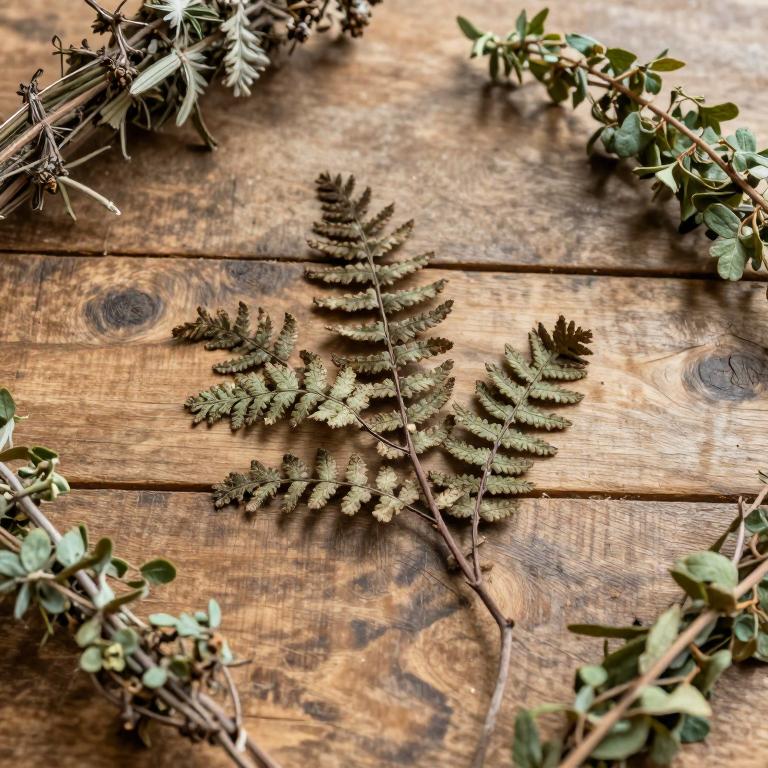
, scientifically known as Blechnum moorei, is a striking fern native to various subtropical regions. Often referred to as the Moorii fern, this resilient plant thrives in moist, shaded environments. Beyond its ornamental beauty, it holds potential significance in traditional botanical studies for its unique structural and biological properties.
- Family
- Aspleniaceae
- Native range
- Pacific
- Parts used
- Not available
- Common names
- Not available
- Scientific synonyms
- Oceaniopteris Ciliata · Lomaria Ciliata · 1 more
Names and Synonyms
Scientific Names
Accepted name
Blechnum mooreiSynonyms
- Oceaniopteris ciliata
- Lomaria ciliata
- Spicanta ciliata
Sources: Wikidata
Taxonomical Classification
This plant belongs to the kingdom Plantae and is classified under the phylum Streptophyta and the class Equisetopsida. Within the subclass Polypodiinae and order Polypodiales, it is further categorized into the family Aspleniaceae. Finally, it is identified by the genus Blechnum.
| Rank | Classification |
|---|---|
| Kingdom | Plantae |
| Phylum | Streptophyta |
| Class | Equisetopsida |
| Subclass | Polypodiinae |
| Order | Polypodiales |
| Family | Aspleniaceae |
| Genus | Blechnum |
Sources: The World Checklist of Vascular Plants (WCVP)
Distribution
This plant is characterized by a very specific and localized geographical range. Its distribution is primarily restricted to the region of the Southwestern Pacific. Within this vast ocean area, it can be found specifically in New Caledonia. Because of this narrow habitat, the species is considered an endemic element of the local flora. Consequently, its presence is uniquely tied to the particular environmental conditions of this island territory.
| Region | Area |
|---|---|
| Southwestern Pacific | New Caledonia |
Sources: The World Checklist of Vascular Plants (WCVP)
Botanical Identification
Ecology
The ecology of Blechnum moorei is fundamentally defined by its preference for the stable, humid environments found within the rain forest. This plant thrives in these dense, moisture-rich ecosystems, where it utilizes the consistent humidity and buffered temperature ranges characteristic of the forest understory or margins to maintain its physiological processes. Within the rain forest habitat, its distribution is often dictated by the availability of shaded microclimates and organic-rich substrates that facilitate nutrient uptake and moisture retention. The structural complexity of the forest provides the necessary light filtration and protection from extreme desiccation, allowing this species to integrate into the stratified layers of the tropical or subtropical woodland ecosystems it inhabits.
- Habitat :
- rain forest
Morphology
The morphology of Blechnum moorei is characterized by its robust growth habit and distinct structural features. The plant is classified as non-woody, lacking a true woody trunk, though it may develop a stout, fibrous rhizome that serves as its central structural axis. The fronds are typically large, leathery, and arranged in a spreading rosette pattern. The pinnules are often lanceolate to oblong in shape, exhibiting a dark green coloration with a somewhat glossy texture on the upper surface. The stipe, or stalk of the frond, is typically dark, sometimes appearing almost black, and provides the necessary support for the expansive blade. The reproductive structures, known as sori, are located on the underside of the pinnules, typically arranged in discrete rows characteristic of the genus, which facilitates spore dispersal.
- Woodiness :
- non-woody
Sources: Global Inventory of Floras and Traits (GIFT)
Chemicals
Blechnum moorei has 1 reported phytochemicals identified across 0 scientific publications and several other databases. The most consistently reported chemicals include rosmarinic acid.
| Chemical | Supporting sources | Consensus |
|---|---|---|
| rosmarinic acid | 1 supporting sources | ★☆☆☆☆ |
rosmarinic acid
- Plant biology (Stuttgart, Germany)