bistorts
Bistorta · Accepted scientific name
Scientific literature: Very Sparse (9 studies) · ★☆☆☆☆
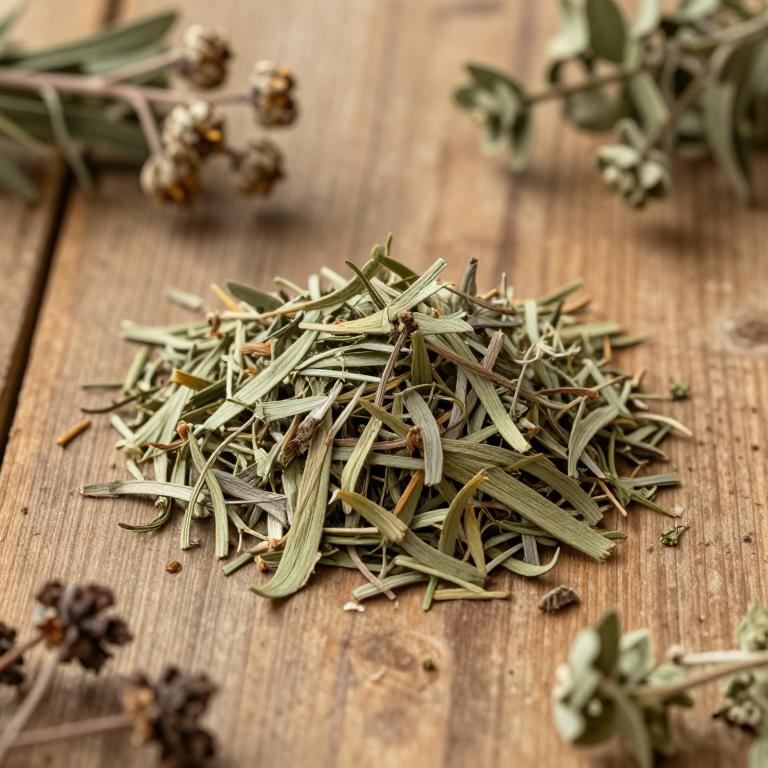
Bistorts, scientifically known as Bistorta, is a versatile genus of perennial herbs cherished in traditional medicine. Renowned for their distinctive knot-like stems, these plants contain potent tannins and astringent compounds. They are frequently utilized to treat inflammation, skin ailments, and digestive issues, offering a natural approach to healing.
- Family
- Polygonaceae
- Native range
- Europe
- Parts used
- Not available
- Common names
- Bistorts
- Scientific synonyms
- Not available
Names and Synonyms
Common Names
- bistorts
Scientific Names
Accepted name
BistortaSources: Wikidata, Catalogue of Life
Taxonomical Classification
This plant belongs to the kingdom Plantae and the phylum Streptophyta, falling under the class Equisetopsida and subclass Magnoliidae. Within the order Caryophyllales, it is classified under the family Polygonaceae. Finally, it is categorized under the specific genus Bistorta.
| Rank | Classification |
|---|---|
| Kingdom | Plantae |
| Phylum | Streptophyta |
| Class | Equisetopsida |
| Subclass | Magnoliidae |
| Order | Caryophyllales |
| Family | Polygonaceae |
| Genus | Bistorta |
Sources: The World Checklist of Vascular Plants (WCVP)
Distribution
This plant exhibits a specific geographical distribution primarily concentrated across the northern regions of Europe. Within Northern Europe, it can be found growing in the landscapes of Denmark and Finland. The species also extends its range to the island territories of the Føroyar. Furthermore, its presence is noted across the coastal areas of Great Britain. Finally, the distribution reaches as far north as the rugged terrain of Iceland.
| Region | Area |
|---|---|
| Northern Europe | Denmark |
| Northern Europe | Finland |
| Northern Europe | Føroyar |
| Northern Europe | Great Britain |
| Northern Europe | Iceland |
| Northern Europe | Ireland |
| Northern Europe | Norway |
| Northern Europe | Svalbard |
| Northern Europe | Sweden |
| Middle Europe | Austria |
Sources: The World Checklist of Vascular Plants (WCVP)
Chemicals
Bistorta has 5 reported phytochemicals identified across 0 scientific publications and several other databases. The most consistently reported chemicals include Coumarins, Flavonoids, Saponins, Sterols, Terpenes.
| Chemical | Supporting sources | Consensus |
|---|---|---|
| Coumarins | 1 supporting sources | ★☆☆☆☆ |
| Flavonoids | 1 supporting sources | ★☆☆☆☆ |
| Saponins | 1 supporting sources | ★☆☆☆☆ |
| Sterols | 1 supporting sources | ★☆☆☆☆ |
| Terpenes | 1 supporting sources | ★☆☆☆☆ |
Coumarins
- Fitoterapia
Flavonoids
- Fitoterapia
Saponins
- Fitoterapia
Sterols
- Fitoterapia
Terpenes
- Fitoterapia
Conditions
Bistorta has 4 reported investigations on conditions identified across 0 scientific publications and several other databases. The most consistently reported conditions include inflammation, neurodegenerative diseases, rheumatism, tuberculosis.
| Condition | Supporting sources | Consensus |
|---|---|---|
| Inflammation | 1 supporting sources | ★☆☆☆☆ |
| Neurodegenerative diseases | 1 supporting sources | ★☆☆☆☆ |
| Rheumatism | 1 supporting sources | ★☆☆☆☆ |
| Tuberculosis | 1 supporting sources | ★☆☆☆☆ |
Inflammation
- Fitoterapia
Neurodegenerative diseases
- Fitoterapia
Rheumatism
- Fitoterapia
Tuberculosis
- Fitoterapia