Biscutella raphanifolia
Biscutella raphanifolia · Accepted scientific name
Scientific literature: Very Sparse (4 studies) · ★☆☆☆☆
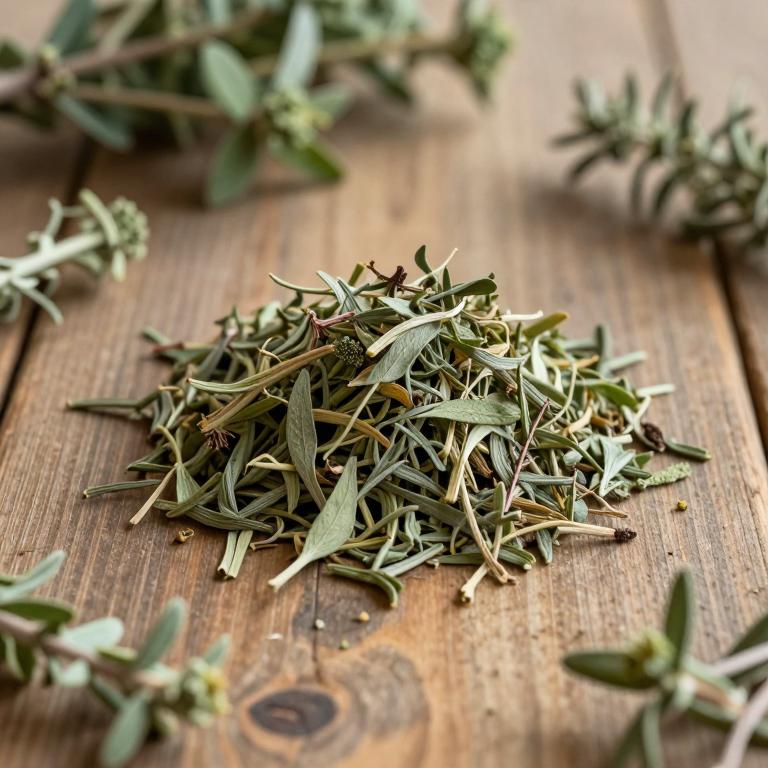
, scientifically known as Biscutella raphanifolia, is a versatile medicinal herb valued for its therapeutic properties. Traditionally used in various folk medicine practices, this plant offers significant health benefits, ranging from anti-inflammatory to antioxidant effects. Understanding its unique botanical characteristics is essential for exploring its potential in natural pharmacology.
- Family
- Brassicaceae
- Native range
- Africa
- Parts used
- Not available
- Common names
- Not available
- Scientific synonyms
- Biscutella Lyrata Var. Raphanifolia · Biscutella Didyma Var. Raphanifolia
Names and Synonyms
Scientific Names
Accepted name
Biscutella raphanifoliaSynonyms
- Biscutella lyrata var. raphanifolia
- Biscutella didyma var. raphanifolia
Sources: Wikidata
Taxonomical Classification
This plant belongs to the kingdom Plantae and the phylum Streptophyta, falling under the class Equisetopsida and subclass Magnoliidae. It is further classified within the order Brassicales and the family Brassicaceae. Finally, its specific taxonomic designation is within the genus Biscutella.
| Rank | Classification |
|---|---|
| Kingdom | Plantae |
| Phylum | Streptophyta |
| Class | Equisetopsida |
| Subclass | Magnoliidae |
| Order | Brassicales |
| Family | Brassicaceae |
| Genus | Biscutella |
Sources: The World Checklist of Vascular Plants (WCVP)
Distribution
This plant, Biscutella rapanifolia, exhibits a specific geographical distribution within the North African region. It is primarily documented as growing in the territories of Algeria. Furthermore, its presence is also noted across the landscape of Tunisia. These two countries represent the known natural habitats for this particular medicinal species. Consequently, its range is currently limited to these specific areas of Northern Africa.
| Region | Area |
|---|---|
| Northern Africa | Algeria |
| Northern Africa | Tunisia |
Sources: The World Checklist of Vascular Plants (WCVP)
Activities
Biscutella raphanifolia has 2 reported activities identified across 0 scientific publications and several other databases. The most consistently reported activities include Antibacterial, Antioxidant.
| Activity | Supporting sources | Consensus |
|---|---|---|
| Antibacterial | 1 supporting sources | ★☆☆☆☆ |
| Antioxidant | 1 supporting sources | ★☆☆☆☆ |
Antibacterial
- Pakistan journal of pharmaceutical sciences
Antioxidant
- Pakistan journal of pharmaceutical sciences
Conditions
Biscutella raphanifolia has 1 reported investigations on conditions identified across 0 scientific publications and several other databases. The most consistently reported conditions include Alzheimer's disease.
| Condition | Supporting sources | Consensus |
|---|---|---|
| Alzheimer's disease | 1 supporting sources | ★☆☆☆☆ |
Alzheimer's disease
- Pakistan journal of pharmaceutical sciences
Preparations
Biscutella raphanifolia has 4 reported preparations identified across 0 scientific publications and several other databases. The most consistently reported preparations include dicloromethane extract, ethyl acetate extract, n-butanol extracts, petroleum ether extract.
| Preparation | Supporting sources | Consensus |
|---|---|---|
| Dicloromethane extract | 1 supporting sources | ★☆☆☆☆ |
| Ethyl acetate extract | 1 supporting sources | ★☆☆☆☆ |
| N-butanol extracts | 1 supporting sources | ★☆☆☆☆ |
| Petroleum ether extract | 1 supporting sources | ★☆☆☆☆ |
Dicloromethane extract
- Pakistan journal of pharmaceutical sciences
Ethyl acetate extract
- Pakistan journal of pharmaceutical sciences
N-butanol extracts
- Pakistan journal of pharmaceutical sciences
Petroleum ether extract
- Pakistan journal of pharmaceutical sciences