Biebersteinia
Biebersteinia · Accepted scientific name
Scientific literature: Very Sparse (11 studies) · ★☆☆☆☆
, scientifically known as Biebersteinia, is a rare and intriguing genus within the Euphorbiaceae family. Often found in specific ecological niches, these medicinal plants are valued for their unique phytochemical profiles. Researchers study them to uncover potential therapeutic properties, offering promising insights into natural treatments for various human ailments.
- Family
- Biebersteiniaceae
- Native range
- Europe
- Parts used
- Not available
- Common names
- Not available
- Scientific synonyms
- Dayenia
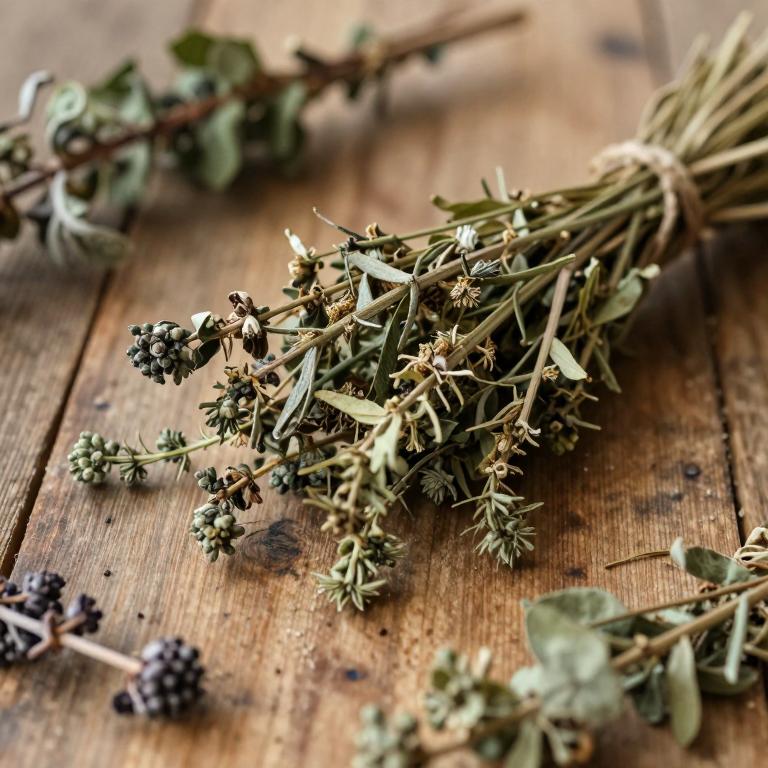
Names and Synonyms
Scientific Names
Accepted name
BiebersteiniaSynonyms
- Dayenia
Regional and Traditional Names
German:
- Biebersteiniaceae
Sources: Wikidata, Catalogue of Life
Taxonomical Classification
This plant belongs to the kingdom Plantae and the phylum Streptophyta, falling under the class Equisetopsida and subclass Magnoliidae. Within the order Sapindales, it is classified under the family Biebersteiniaceae and is specifically categorized within the genus Biebersteinia.
| Rank | Classification |
|---|---|
| Kingdom | Plantae |
| Phylum | Streptophyta |
| Class | Equisetopsida |
| Subclass | Magnoliidae |
| Order | Sapindales |
| Family | Biebersteiniaceae |
| Genus | Biebersteinia |
Sources: The World Checklist of Vascular Plants (WCVP)
Distribution
This plant exhibits a wide geographical range that spans across several distinct regions. In Southeastern Europe, its presence can be documented within the borders of Greece. Moving into Eastern Europe, it is found throughout East European Russia. The species also thrives in the Siberian regions of both Altai and Tuva. Finally, its distribution extends into Central Asia, specifically within Kazakhstan.
| Region | Area |
|---|---|
| Southeastern Europe | Greece |
| Eastern Europe | East European Russia |
| Siberia | Altay |
| Siberia | Tuva |
| Central Asia | Kazakhstan |
| Central Asia | Kirgizstan |
| Central Asia | Turkmenistan |
| Central Asia | Tadzhikistan |
| Central Asia | Uzbekistan |
| Caucasus | Transcaucasus |
Sources: The World Checklist of Vascular Plants (WCVP)
Activities
Biebersteinia has 5 reported activities identified across 0 scientific publications and several other databases. The most consistently reported activities include Analgesic, Antibacterial, Antihypertensive, Antioxidant, Hypoglycemic.
| Activity | Supporting sources | Consensus |
|---|---|---|
| Analgesic | 1 supporting sources | ★☆☆☆☆ |
| Antibacterial | 1 supporting sources | ★☆☆☆☆ |
| Antihypertensive | 1 supporting sources | ★☆☆☆☆ |
| Antioxidant | 1 supporting sources | ★☆☆☆☆ |
| Hypoglycemic | 1 supporting sources | ★☆☆☆☆ |
Analgesic
- Plants (Basel, Switzerland)
Antibacterial
- Plants (Basel, Switzerland)
Antihypertensive
- Plants (Basel, Switzerland)
Antioxidant
- Plants (Basel, Switzerland)
Hypoglycemic
- Plants (Basel, Switzerland)
Conditions
Biebersteinia has 6 reported investigations on conditions identified across 0 scientific publications and several other databases. The most consistently reported conditions include bacteria, hypertension, hypoglycemia, inflammation, oxidative stress.
| Condition | Supporting sources | Consensus |
|---|---|---|
| Bacteria | 1 supporting sources | ★☆☆☆☆ |
| Hypertension | 1 supporting sources | ★☆☆☆☆ |
| Hypoglycemia | 1 supporting sources | ★☆☆☆☆ |
| Inflammation | 1 supporting sources | ★☆☆☆☆ |
| Oxidative stress | 1 supporting sources | ★☆☆☆☆ |
| Pain | 1 supporting sources | ★☆☆☆☆ |
Bacteria
- Plants (Basel, Switzerland)
Hypertension
- Plants (Basel, Switzerland)
Hypoglycemia
- Plants (Basel, Switzerland)
Inflammation
- Plants (Basel, Switzerland)
Oxidative stress
- Plants (Basel, Switzerland)
Pain
- Plants (Basel, Switzerland)