birch
Betula · Accepted scientific name
Scientific literature: Very Sparse (30 studies) · ★☆☆☆☆
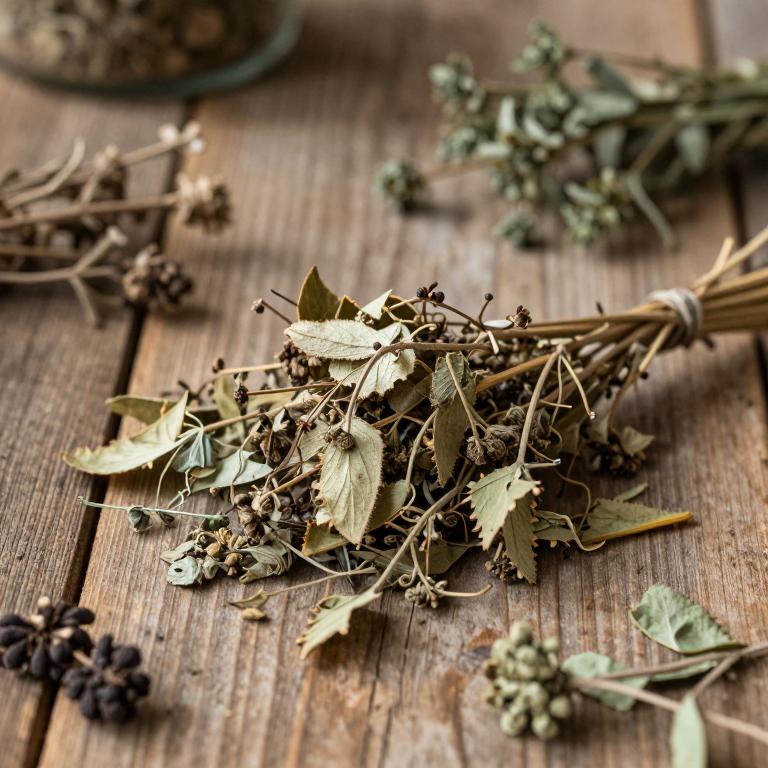
Birch, scientifically known as Betula, is a versatile medicinal plant celebrated for its therapeutic properties. Renowned for its antioxidant and anti-inflammatory benefits, various parts—including bark, leaves, and sap—are used to support kidney health, skin vitality, and detoxification. This resilient tree remains a cornerstone in traditional herbal medicine globally.
Names and Synonyms
Common Names
- birch
- birches
- waskway
Scientific Names
Accepted name
BetulaSynonyms
- Apterocaryon
- Chamaebetula
- Betulaster
Regional and Traditional Names
Spanish:
- Biezo
- Abedul
- Apterocaryon
- Abedular
- Betulaster
- Chamaebetula
- Abedules
German:
- Birken
- Birke
- Priesmeier
- Birken
French:
- bouleau
- bouleaux
- bouleaux
Sources: Wikidata, Catalogue of Life
Taxonomical Classification
This plant belongs to the kingdom Plantae and the phylum Streptophyta, falling under the class Equisetopsida and subclass Magnoliidae. Within the order Fagales, it is classified under the family Betulaceae. Finally, it is identified by the genus Betula.
| Rank | Classification |
|---|---|
| Kingdom | Plantae |
| Phylum | Streptophyta |
| Class | Equisetopsida |
| Subclass | Magnoliidae |
| Order | Fagales |
| Family | Betulaceae |
| Genus | Betula |
Sources: The World Checklist of Vascular Plants (WCVP)
Distribution
This plant exhibits a specific distribution pattern across various regions of Northern Europe. It can be found growing within the borders of Denmark and Finland. Additionally, its presence extends to the island territories of Føroyar and Iceland. The species is also documented throughout the landscape of Great Britain. Together, these locations highlight the plant's preference for northern maritime and continental climates.
| Region | Area |
|---|---|
| Northern Europe | Denmark |
| Northern Europe | Finland |
| Northern Europe | Føroyar |
| Northern Europe | Great Britain |
| Northern Europe | Iceland |
| Northern Europe | Ireland |
| Northern Europe | Norway |
| Northern Europe | Svalbard |
| Northern Europe | Sweden |
| Middle Europe | Austria |
Sources: The World Checklist of Vascular Plants (WCVP)
Plant Parts
Betula has 1 reported plant parts identified across 1 scientific publications and several other databases that are studied for medicinal purposes. The most consistently reported plant part include leaf.
| Plant part | Supporting sources | Consensus |
|---|---|---|
| Leaf | 1 supporting sources | ★☆☆☆☆ |
Leaf
- Planta medica
Chemicals
Betula has 10 reported phytochemicals identified across 1 scientific publications and several other databases. The most consistently reported chemicals include Betulin, Ermanin, Flavonoids, LIGNIN, Lupeol.
| Chemical | Supporting sources | Consensus |
|---|---|---|
| Betulin | 2 supporting sources | ★☆☆☆☆ |
| Ermanin | 1 supporting sources | ★☆☆☆☆ |
| Flavonoids | 1 supporting sources | ★☆☆☆☆ |
| LIGNIN | 1 supporting sources | ★☆☆☆☆ |
| Lupeol | 1 supporting sources | ★☆☆☆☆ |
| MAGNESIUM | 1 supporting sources | ★☆☆☆☆ |
| MANGANESE | 1 supporting sources | ★☆☆☆☆ |
| ZINC | 1 supporting sources | ★☆☆☆☆ |
| acacetin | 1 supporting sources | ★☆☆☆☆ |
| betulinic acid | 1 supporting sources | ★☆☆☆☆ |
Betulin
- Journal of ethnopharmacology
- Biomolecules & therapeutics
Ermanin
- Biomolecules
Flavonoids
- Analytical and bioanalytical chemistry
LIGNIN
- Frontiers in plant science
Lupeol
- The Journal of steroid biochemistry and molecular biology
MAGNESIUM
- Analytical and bioanalytical chemistry
MANGANESE
- Analytical and bioanalytical chemistry
ZINC
- Analytical and bioanalytical chemistry
acacetin
- Biomolecules
betulinic acid
- Journal of ethnopharmacology
Activities
Betula has 8 reported activities identified across 1 scientific publications and several other databases. The most consistently reported activities include Anticancer, Antiarthritic, Antidiabetic, Antimicrobial, Antioxidant.
| Activity | Supporting sources | Consensus |
|---|---|---|
| Anticancer | 2 supporting sources | ★☆☆☆☆ |
| Antiarthritic | 1 supporting sources | ★☆☆☆☆ |
| Antidiabetic | 1 supporting sources | ★☆☆☆☆ |
| Antimicrobial | 1 supporting sources | ★☆☆☆☆ |
| Antioxidant | 1 supporting sources | ★☆☆☆☆ |
| Antiviral | 1 supporting sources | ★☆☆☆☆ |
| Gastroprotective | 1 supporting sources | ★☆☆☆☆ |
| Hepatoprotective | 1 supporting sources | ★☆☆☆☆ |
Anticancer
- Journal of ethnopharmacology
- Biomolecules & therapeutics
Antiarthritic
- Journal of ethnopharmacology
Antidiabetic
- Journal of ethnopharmacology
Antimicrobial
- Journal of ethnopharmacology
Antioxidant
- Journal of ethnopharmacology
Antiviral
- Journal of ethnopharmacology
Gastroprotective
- Journal of ethnopharmacology
Hepatoprotective
- Journal of ethnopharmacology
Conditions
Betula has 7 reported investigations on conditions identified across 1 scientific publications and several other databases. The most consistently reported conditions include HIV, arthritis, cancer, colorectal carcinoma, oral allergy syndrome.
| Condition | Supporting sources | Consensus |
|---|---|---|
| Hiv | 1 supporting sources | ★☆☆☆☆ |
| Arthritis | 1 supporting sources | ★☆☆☆☆ |
| Cancer | 1 supporting sources | ★☆☆☆☆ |
| Colorectal carcinoma | 1 supporting sources | ★☆☆☆☆ |
| Oral allergy syndrome | 1 supporting sources | ★☆☆☆☆ |
| Triple negative breast cancer | 1 supporting sources | ★☆☆☆☆ |
| Urinary tract infections | 1 supporting sources | ★☆☆☆☆ |
Hiv
- Natural product reports
Arthritis
- Journal of ethnopharmacology
Cancer
- Natural product reports
Colorectal carcinoma
- Scientific reports
Oral allergy syndrome
- Allergy
Triple negative breast cancer
- PloS one
Urinary tract infections
- Acta poloniae pharmaceutica
Preparations
Betula has 4 reported preparations identified across 1 scientific publications and several other databases. The most consistently reported preparations include Betula, aqueous extracts, bark, bark extracts.
| Preparation | Supporting sources | Consensus |
|---|---|---|
| Betula | 1 supporting sources | ★☆☆☆☆ |
| Aqueous extracts | 1 supporting sources | ★☆☆☆☆ |
| Bark | 1 supporting sources | ★☆☆☆☆ |
| Bark extracts | 1 supporting sources | ★☆☆☆☆ |
Betula
- International archives of allergy and applied immunology
Aqueous extracts
- Acta poloniae pharmaceutica
Bark
- Journal of ethnopharmacology
Bark extracts
- Journal of ethnopharmacology