Betonica betoniciflora
Betonica betoniciflora · Accepted scientific name
Scientific literature: Very Sparse (7 studies) · ★☆☆☆☆
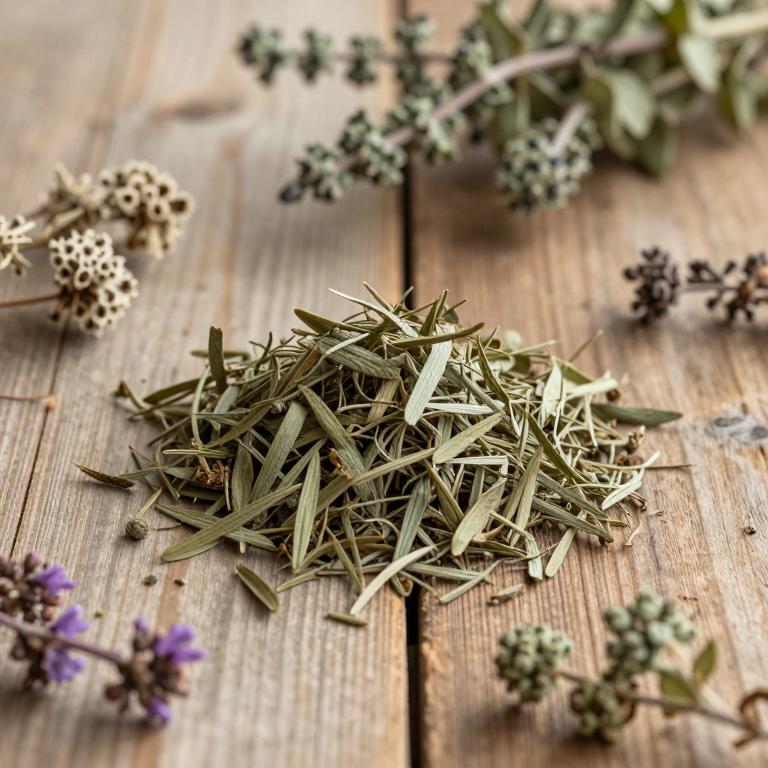
, scientifically known as Betonica betoniciflora, is a versatile medicinal herb prized for its diverse therapeutic properties. Renowned for its ability to soothe inflammation and support digestive health, this plant has been utilized in traditional healing practices for centuries. Its unique chemical composition offers promising potential for modern pharmacology.
- Family
- Not available
- Native range
- Asia-Temperate
- Parts used
- Not available
- Common names
- Not available
- Scientific synonyms
- Not available
Names and Synonyms
Scientific Names
Accepted name
Betonica betonicifloraDistribution
This plant, Betonica betonici, possesses a specific geographical range within the Central Asian region. Its natural distribution is notably concentrated in the mountainous landscapes of the area. Specifically, the species can be found growing in the territory of Kirgizstan. Additionally, it is documented to inhabit the various terrains of Tadzhiksitan. These two countries represent the primary locations where this medicinal plant is naturally situated.
| Region | Area |
|---|---|
| Central Asia | Kirgizstan |
| Central Asia | Tadzhikistan |
Sources: The World Checklist of Vascular Plants (WCVP)
Botanical Identification
Ecology
The ecology of Betonica betoniciflora is primarily defined by its existence within a forest habitat, where it thrives under the complex structural layers of the woodland ecosystem. Within these forested environments, the plant relies on the specific microclimates created by the canopy, which regulate light availability, humidity, and soil temperature. The forest floor provides a rich substrate of decomposing organic matter, contributing to the nutrient-cycling processes essential for its growth. By occupying this niche, the species participates in the intricate biological interactions of the forest, ranging from symbiotic relationships with soil microbiota to specialized pollination syndromes facilitated by the woodland's insect fauna.
- Habitat :
- forest
Life history
The life history of Betonica betoniciflora is characterized by a perennial lifecycle, allowing the plant to persist through multiple growing seasons rather than completing its cycle within a single year. In terms of its structural life form, it is classified as a hemicryptophyte, a growth habit where the perennating buds are located at or just below the soil surface, typically protected by leaf litter or organic debris during unfavorable periods. This specific life form strategy enables the plant to endure seasonal environmental shifts while maintaining its ability to regenerate and thrive over a long-term developmental span.
- Life form :
- hemicryptophyte
- Lifecycle :
- perennial
Morphology
The morphology of Betonica betoniciflora is characterized by its growth form as a non-woody herb. The plant reaches a height ranging from a minimum of 0.75 m to a maximum of 1 m. In terms of its structural habit, it functions as a self-supporting climber. It is an independent organism that does not exhibit parasitic behavior, and it grows as a terrestrial plant rather than an epiphyte.
- Climber :
- self-supporting
- Epiphyte :
- terrestrial
- Growth form :
- herb
- Parasite :
- independent
- Plant height max:
- 1 m
- Plant height min:
- 0.75 m
- Woodiness :
- non-woody
Reproduction
The reproduction of Betonica betonici is characterized by a specific seasonal flowering cycle that dictates its reproductive window. The flowering process typically commences in June, marking the beginning of the plant's active reproductive phase. This period of bloom continues steadily through the summer months, eventually reaching its conclusion in August. This seasonal timeline ensures that the plant's reproductive efforts are concentrated during the peak of the warm season, facilitating its natural life cycle.
- Flowering time :
- Jun
- Flowering time :
- Aug
Sources: Global Inventory of Floras and Traits (GIFT)
Chemicals
Betonica betoniciflora has 1 reported phytochemicals identified across 0 scientific publications and several other databases. The most consistently reported chemicals include stachydrine.
| Chemical | Supporting sources | Consensus |
|---|---|---|
| stachydrine | 1 supporting sources | ★☆☆☆☆ |
stachydrine
- Dr. Duke
Activities
Betonica betoniciflora has 6 reported activities identified across 0 scientific publications and several other databases. The most consistently reported activities include Cardiotonic, Emmenagogue, Insectifuge, Lactagogue, Oxytocic?.
| Activity | Supporting sources | Consensus |
|---|---|---|
| Cardiotonic | 1 supporting sources | ★☆☆☆☆ |
| Emmenagogue | 1 supporting sources | ★☆☆☆☆ |
| Insectifuge | 1 supporting sources | ★☆☆☆☆ |
| Lactagogue | 1 supporting sources | ★☆☆☆☆ |
| Oxytocic? | 1 supporting sources | ★☆☆☆☆ |
| Systolic-Depressant | 1 supporting sources | ★☆☆☆☆ |
Cardiotonic
- Dr. Duke
Emmenagogue
- Dr. Duke
Insectifuge
- Dr. Duke
Lactagogue
- Dr. Duke
Oxytocic?
- Dr. Duke
Systolic-Depressant
- Dr. Duke