Betonica alopecuros
Betonica alopecuros · Accepted scientific name
Scientific literature: Very Sparse (0 studies) · ★☆☆☆☆
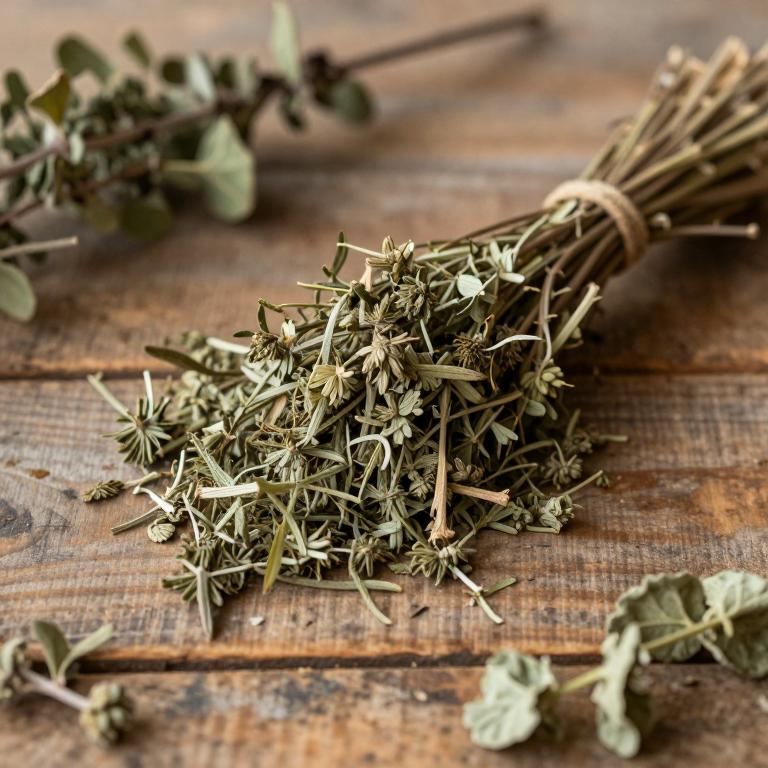
Betonica alopecuros is a unique botanical specimen frequently studied for its distinct physiological properties. Researchers and herbalists often focus on this plant due to the diverse therapeutic potential found within its biological makeup. Among the most common methods of utilizing this species is through the creation of specialized extracts. These concentrated preparations allow for the efficient isolation of active compounds for various applications. Understanding the chemical profile of these extracts is essential for unlocking the full medicinal value of the plant.
- Synonyms
- Stachys Alopecuros · Sideritis Alopecuros
- Common names
- Not available
- Family
- Lamiaceae
- Distribution
- Southern America
- Plant Parts
- Not available
Classification
Common Names
Betonica alopecuros is a versatile plant known by a diverse array of common names across different regions. In certain areas, it is referred to as Betonica bianca or the descriptive Bétoine queue-de-renard. German speakers may identify it as either Fuchsschwanz-Ziest or Gelb-Betonie, depending on the local dialect. Additionally, the species is recognized by the name Jacquinov čistec in other linguistic traditions. These various names highlight the wide cultural and geographical reach of this unique botanical species.
Sources: Catalogue of Life (COL)
Synonyms
Betonica alopecuros is a botanical species that is recognized by several different scientific names within various taxonomic frameworks. In many academic circles, this plant is known by its synonym Sideritis alopecuros. Furthermore, researchers may also refer to the same organism as Stachys alopecuros depending on the classification system used. These overlapping designations highlight the complex nature of botanical nomenclature and evolutionary grouping. Understanding these relationships is essential for ensuring accuracy when identifying the species in diverse scientific literature.
Sources: The World Checklist of Vascular Plants (WCVP)
Taxonomy
Betonica alopecuros is a distinct biological entity that belongs to the vast kingdom Plantae. Within this expansive kingdom, the species is classified under the class Equisetopsida. It further resides in the order Lamiales, which helps define its evolutionary placement. Moving down the taxonomic hierarchy, the plant is a member of the Lamiaceae family. Finally, it is categorized under the specific genus Betonica, completing its scientific profile.
| Rank | Classification |
|---|---|
| Kingdom | Plantae |
| Phylum | Streptophyta |
| Class | Equisetopsida |
| Subclass | Magnoliidae |
| Order | Lamiales |
| Family | Lamiaceae |
| Genus | Betonica |
Sources: The World Checklist of Vascular Plants (WCVP)
Distribution
Geographic Regions
Betonica alopecuros is a plant species with a broad geographical presence across the European continent. In Central Europe, it is commonly documented within the territories of Austria, Germany, and Switzerland. Moving toward the eastern regions, the plant also maintains a steady distribution throughout Southeastern Europe. Specifically, it can be found growing in the landscapes of Albania and Greece. This diverse range highlights the species' ability to thrive in various European ecosystems.
Sources: The World Checklist of Vascular Plants (WCVP)
Identification
Morphology
Betonica alopecuros is a delicate herb characterized by its self-supporting growth form. This plant typically maintains a modest stature, reaching a maximum height of only 0.5 meters. Depending on its specific environmental conditions, its height generally ranges from a minimum of 0.2 meters. More precise observations indicate that its development often begins at a minimum height of 0.225 meters. These compact dimensions make it a subtle yet distinct addition to its natural habitat.
Sources: Global Inventory of Floras and Traits (GIFT)
Biological Activities
Compounds
Conditions
Betonica alopecuros, also known as Stachys alopecuros, demonstrates significant anti-Helicobacter pylori activity. This Greek herbal medicine was tested against a standard strain along with 15 different clinical isolates of the bacteria. The research confirms that its extract is effective in treating this specific pathogen. Such findings highlight the plant's potential role in addressing gastric ailments and peptic ulcers. Consequently, this plant serves as a biologically active agent against H. pylori infections.
Preparations
Betonica alopecuros is prepared as extracts to be tested for its biological properties. These specific herbal preparations are studied for their potential anti-Helicobacter pylori activity. The research evaluates how such plant extracts function against various clinical isolates of the bacteria. By utilizing these extracts, scientists can determine the efficacy of traditional Greek medicines against gastric ailments. This process focuses on the medicinal utility of the plant when processed into a liquid form.