Bergia suffruticosa
Bergia suffruticosa · Accepted scientific name
Scientific literature: Very Sparse (1 studies) · ★☆☆☆☆
Bergia suffruticosa is a noteworthy species of cyanobacteria that has garnered significant attention in the field of ethnobotany. This organism is particularly recognized for its diverse range of biological activities, which hold great promise for pharmacological applications. Among its most significant properties, the plant exhibits potent antiplasmodial activities that target malaria-causing parasites. Researchers are increasingly exploring its chemical constituents to develop new therapeutic strategies against infectious diseases. Consequently, studying this species remains a vital component of modern drug discovery and natural product research.
- Synonyms
- Lancretia Suffruticosa · Bergia Odorata
- Common names
- Not available
- Family
- Not available
- Distribution
- Not available
- Plant Parts
- Not available
Classification
Common Names
Bergia suffruticosa is a unique plant species that is widely recognized by several different names. In English-speaking regions, it is most commonly referred to by the name Woody Bergia. This same plant is also known by its Russian common name, Бергия кустарничковая. Understanding these various designations helps enthusiasts identify the species across different linguistic contexts. Recognizing both the English and Russian labels ensures a more comprehensive study of its botanical profile.
Sources: Catalogue of Life (COL)
Synonyms
Bergia suffruticosa is a botanical species that is frequently identified by several different scientific names in various texts. One common synonym used to describe this plant is Bergia odorata, which can sometimes cause confusion for researchers. Additionally, it is also recognized under the synonymous name Lancretia suffruticosa. These overlapping designations highlight the complex history of botanical classification and nomenclature. Understanding these various identities is essential for anyone studying the taxonomic relationships of this specific plant.
Sources: The World Checklist of Vascular Plants (WCVP)
Distribution
Geographic Regions
Bergia suffruticosa is a plant species with a widespread distribution across the diverse landscapes of the African continent. Its presence is notably established throughout East Tropical Africa, including the nation of Kenya. The species also flourishes within Northeast Tropical Africa, spanning across regions such as Chad, Ethiopia, and Somalia. Furthermore, its range extends into the territories of Sudan and South Sudan. This broad geographical footprint highlights the plant's ability to adapt to various environmental conditions across these different African regions.
Sources: The World Checklist of Vascular Plants (WCVP)
Identification
Morphology
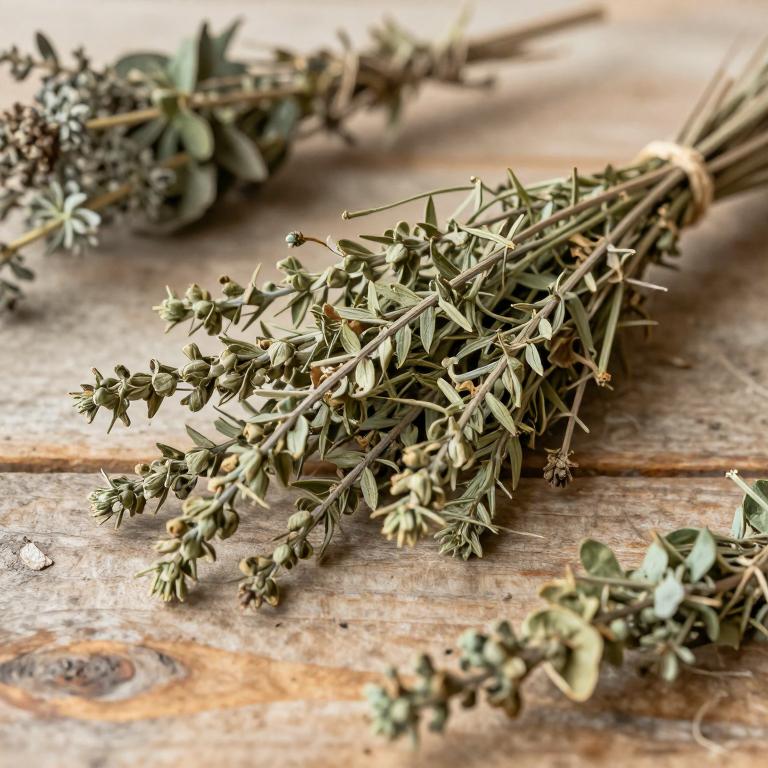
Bergia suffruticosa is characterized by its distinct growth form as a small herb. This plant is notably self-supporting, allowing it to maintain its structure without the need for external aid.
Sources: Global Inventory of Floras and Traits (GIFT)
Biological Activities
Bergia suffruticosa has been identified as a plant of interest due to its demonstrated antiplasmodial properties. In a recent study evaluating medicinal plants from Burkina Faso, extracts from the whole plant were tested against the Plasmodium falciparum 3D7 strain. The research found that this species exhibits moderate activity, with an IC50 value falling between 15 and 50 microg/ml. This finding contributes to a broader understanding of traditional medicinal plants used to combat malaria in the region. While other species showed higher potency, the results for Bergia suffruticosa highlight its potential role in antiplasmodial research.
Compounds
Conditions
Bergia suffruticosa demonstrates antiplasmodial activity through its whole plant extracts. In a study evaluating medicinal plants from Burkina Faso, this species was identified as one of five plants exhibiting moderate effectiveness against the Plasmodium falciparum 3D7 chloroquine-sensitive strain. Its specific activity level was measured with an IC50 value falling between 15 and 50 microg/ml. This finding supports its traditional use in treating malaria within the region. Consequently, the plant serves as a notable example of natural compounds possessing inhibitory properties against malaria parasites.