Berberis orthobotrys
Berberis orthobotrys · Accepted scientific name
Scientific literature: Very Sparse (1 studies) · ★☆☆☆☆
Berberis orthobotrys is a botanical species that has garnered significant scientific interest due to its potential therapeutic properties. Research indicates that the methanolic root extract of this plant possesses notable antitumor activities. These bioactive compounds are being investigated for their ability to combat various forms of cancer within biological systems. Additionally, the plant's extracts show promise in the medicinal management and healing of wounds. Consequently, studying this specific preparation offers vital insights into developing new natural treatments for complex health conditions.
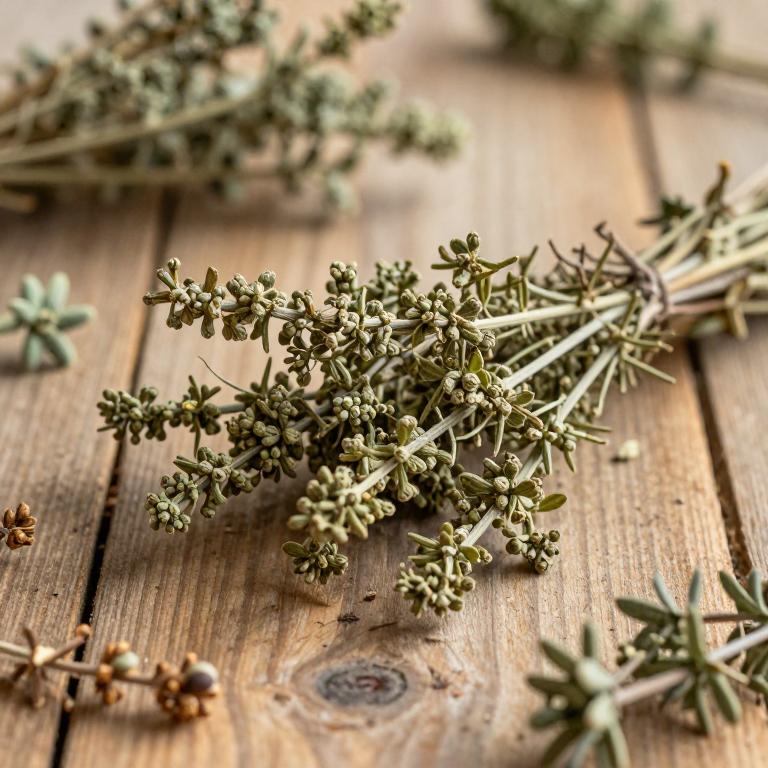
- Synonyms
- Not available
- Common names
- Not available
- Family
- Berberidaceae
- Distribution
- Africa
- Plant Parts
- Root
Classification
Taxonomy
Berberis orthobotrys is a distinct species belonging to the vast kingdom Plantae. Within this diverse group, it is classified under the class Equisetopsida and the order Ranunculales. This plant is further nested within the family Berberidaceae, which highlights its specific botanical characteristics. It specifically belongs to the well-known genus Berberis, showcasing its evolutionary lineage. Understanding these taxonomic relationships provides essential insight into the biological identity of the species.
| Rank | Classification |
|---|---|
| Kingdom | Plantae |
| Phylum | Streptophyta |
| Class | Equisetopsida |
| Subclass | Magnoliidae |
| Order | Ranunculales |
| Family | Berberidaceae |
| Genus | Berberis |
Sources: The World Checklist of Vascular Plants (WCVP)
Distribution
Geographic Regions
Berberis orthobotrys is a versatile species with a wide geographical range spanning across various Asian regions. In the temperate zones of Asia, it can be found stretching from Central Asia and Turkmenistan through Western Asia to include Afghanistan and Iran. The plant also extends its reach into tropical climates, establishing a presence throughout the Indian Subcontinent. Specifically, it is well-documented within the diverse landscapes of both India and Nepal. This broad distribution highlights the plant's ability to adapt to both temperate and tropical environments.
Sources: The World Checklist of Vascular Plants (WCVP)
Identification
Morphology
Berberis orthobotrys grows in a distinct shrub form that adds structure to any garden landscape. As a self-supporting plant, it maintains its upright stature without the need for external support.
Sources: Global Inventory of Floras and Traits (GIFT)
Biological Activities
Berberis orthobotrys has demonstrated significant antitumor activity according to recent investigations into Pakistani medicinal plants. During studies involving human bone and breast cancer cell lines, the methanolic root extract of this species showed high potential for inhibiting cell viability. The research indicates that its cytotoxic properties are driven by a lysosomal-mediated cell death pathway. This specific mechanism is further highlighted by an observed upregulation of Bcl-2 expression within the target cells. Ultimately, these findings provide a scientific basis for the traditional use of the plant in treating cancer-related diseases.
Compounds
Conditions
Berberis orthobotrys is utilized in traditional medicine for the treatment of various conditions, including cancer and uterine tumors. This medicinal plant is also recognized for its ability to treat dermal infections. Furthermore, it serves an important role in the healing of wounds. Scientific evaluations have specifically identified its methanolic root extract as a promising source for antitumor activity.
Preparations
Berberis orthobotrys is prepared as a methanolic root extract for medicinal evaluation. This specific preparation was tested for its potential as an anticancer agent against human bone and breast cancer cell lines. The resulting BORM extract demonstrated significant antitumor activity by reducing cell viability in a concentration-dependent manner. Specifically, its cytotoxic properties were found to be driven through a lysosomal-mediated cell death pathway. This investigation identifies the methanolic root extract of the plant as a promising source for treating cancer-related diseases.
Parts used
Berberis orthobotrys has shown significant medicinal potential through the investigation of its biological properties. In recent studies, the methanolic root extract of this plant was specifically identified as a promising source for antitumor activity. This particular part of the plant demonstrated a strong ability to reduce cell viability in both breast and bone cancer cell lines. The cytotoxic effects were found to be driven by a lysosomal-mediated cell death pathway. These findings provide a scientific basis for the traditional use of the plant's roots in treating cancer-related diseases.