Beilschmiedia acuta
Beilschmiedia acuta · Accepted scientific name
Scientific literature: Very Sparse (5 studies) · ★☆☆☆☆
, scientifically known as Beilschmiedia acuata, is a remarkable medicinal plant cherished in traditional healing practices. Renowned for its potent bioactive compounds, it offers diverse therapeutic benefits, ranging from anti-inflammatory to antimicrobial properties. Exploring its botanical characteristics and pharmacological potential reveals its significant value in natural medicine and wellness.
- Family
- Lauraceae
- Native range
- Africa
- Parts used
- Not available
- Common names
- Not available
- Scientific synonyms
- Tylostemon Acutifolius
Names and Synonyms
Scientific Names
Accepted name
Beilschmiedia acutaSynonyms
- Tylostemon acutifolius
Sources: Wikidata
Taxonomical Classification
This plant belongs to the kingdom Plantae and the phylum Streptophyta. Within the class Equisetopsida and subclass Magnoliidae, it is classified under the order Laurales and the family Lauraceae. Its specific taxonomic placement is within the genus Beilschmiedia, specifically the species Beilschmiedia acuta.
| Rank | Classification |
|---|---|
| Kingdom | Plantae |
| Phylum | Streptophyta |
| Class | Equisetopsida |
| Subclass | Magnoliidae |
| Order | Laurales |
| Family | Lauraceae |
| Genus | Beilschmiedia |
Sources: The World Checklist of Vascular Plants (WCVP)
Distribution
This plant, known scientifically as Bretschneidera acuta, possesses a very specific and limited geographical range. It is primarily documented within the West-Central Tropical Africa region. Within this vast area, its presence is specifically noted in the country of Cameroon. Because it is tied to these particular tropical environments, its distribution is quite localized. Consequently, finding this medicinal species requires looking within these specific African habitats.
| Region | Area |
|---|---|
| West-Central Tropical Africa | Cameroon |
Sources: The World Checklist of Vascular Plants (WCVP)
Botanical Identification
Morphology
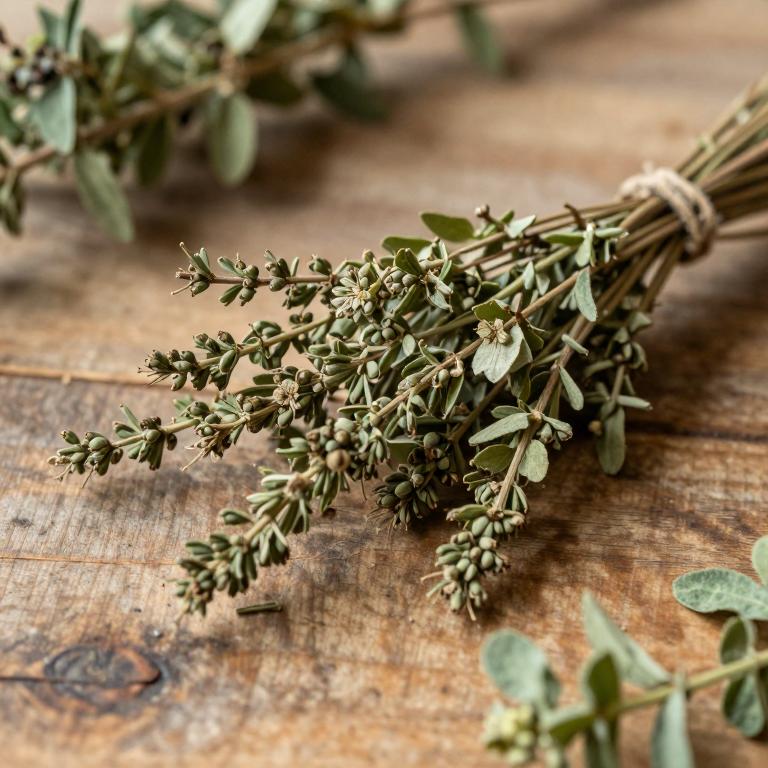
The morphology of Beilschmiedia acuta is characterized by its distinct growth habit and structural composition. It presents as a woody plant, specifically exhibiting a tree-like growth form. In terms of its climbing capabilities, the species functions as a self-supporting liana or vine, categorized as a self-supporting climber that does not rely on external structures for its primary upright posture.
- Climber :
- self-supporting
- Growth form :
- tree
- Woodiness :
- woody
Sources: Global Inventory of Floras and Traits (GIFT)
Chemicals
Beilschmiedia acuta has 3 reported phytochemicals identified across 0 scientific publications and several other databases. The most consistently reported chemicals include BAL, PFL, alpha-Hederin.
| Chemical | Supporting sources | Consensus |
|---|---|---|
| BAL | 1 supporting sources | ★☆☆☆☆ |
| PFL | 1 supporting sources | ★☆☆☆☆ |
| alpha-Hederin | 1 supporting sources | ★☆☆☆☆ |
BAL
- Journal of ethnopharmacology
PFL
- Journal of ethnopharmacology
alpha-Hederin
- Journal of ethnopharmacology
Activities
Beilschmiedia acuta has 1 reported activities identified across 0 scientific publications and several other databases. The most consistently reported activities include Cytotoxic.
| Activity | Supporting sources | Consensus |
|---|---|---|
| Cytotoxic | 1 supporting sources | ★☆☆☆☆ |
Cytotoxic
- Frontiers in pharmacology
Preparations
Beilschmiedia acuta has 2 reported preparations identified across 0 scientific publications and several other databases. The most consistently reported preparations include BAL, the bark extract of Beilschmiedia acuta.
| Preparation | Supporting sources | Consensus |
|---|---|---|
| Bal | 1 supporting sources | ★☆☆☆☆ |
| The bark extract of beilschmiedia acuta | 1 supporting sources | ★☆☆☆☆ |
Bal
- Journal of ethnopharmacology
The bark extract of beilschmiedia acuta
- Journal of ethnopharmacology