Bauhinia
Bauhinia · Accepted scientific name
Scientific literature: Very Sparse (8 studies) · ★☆☆☆☆
Bauhinia is a versatile plant known for its significant medicinal potential, particularly through the use of its leaves. These leaves are rich in valuable chemical compounds such as flavonoids and pinitol, which contribute to various therapeutic activities. The plant exhibits remarkable biological properties, including anticancer, antidepressant, and antimicrobial effects. It is especially recognized for its ability to assist in blood glucose control and manage antidiabetic conditions. Additionally, Bauhinia can be utilized as a natural remedy to alleviate symptoms of cough and diarrhea.
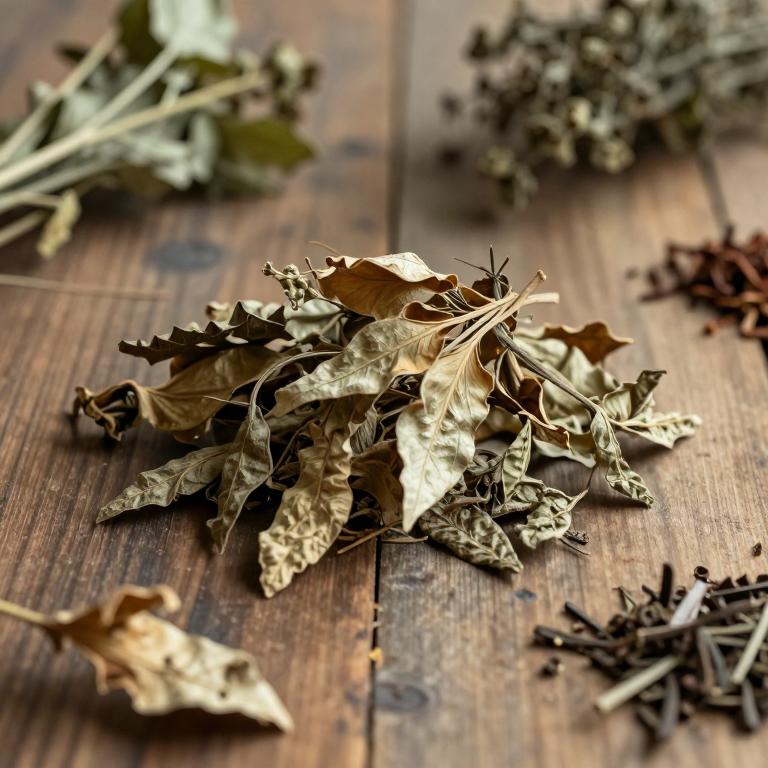
- Synonyms
- Mandarus · Monoteles · 8 more
- Common names
- Not available
- Family
- Fabaceae
- Distribution
- Not available
- Plant Parts
- Leaf
Classification
Common Names
Bauhinia is a diverse genus of flowering plants that is recognized by many different names across various cultures. It is widely known as the Orchid Tree due to its strikingly beautiful and fragrant blooms. In certain regions, you may hear it referred to by the common name Bauhinien. Other local variations include names such as Chi Ban and Fehimuli. Additionally, the plant is frequently called Mororó, highlighting the many ways it is identified globally.
Sources: Catalogue of Life (COL)
Synonyms
Bauhinia is a diverse genus that has historically been associated with several different botanical names. Throughout taxonomic studies, it has been linked to synonyms such as Alvesia and Amaria. Researchers also recognize its connection to the name Ariaria within various classification systems. Furthermore, the genus encompasses classifications previously identified as Bracteolanthus. Finally, the botanical history of this plant includes the synonym Cansenia, reflecting its complex evolutionary relationships.
Sources: The World Checklist of Vascular Plants (WCVP)
Taxonomy
Bauhinia is a fascinating botanical subject that belongs to the expansive kingdom Plantae. Within this kingdom, the plant is classified under the class Equisetopsida. Its taxonomic journey continues through the order Fabales, which highlights its evolutionary connections. Furthermore, it is a distinguished member of the family Fabaceae, often recognized for its unique floral structures. Ultimately, this beautiful plant is defined by its very own namesake, the genus Bauhinia.
| Rank | Classification |
|---|---|
| Kingdom | Plantae |
| Phylum | Streptophyta |
| Class | Equisetopsida |
| Subclass | Magnoliidae |
| Order | Fabales |
| Family | Fabaceae |
| Genus | Bauhinia |
Sources: The World Checklist of Vascular Plants (WCVP)
Distribution
Geographic Regions
Bauhinia displays a diverse geographic range that spans several distinct regions across the African continent. Within East Tropical Africa, the genus is well-established in the landscapes of Kenya, Tanzania, and Uganda. Beyond the mainland, its reach extends into the Atlantic through the Macaronesia islands. Specifically, populations can be found thriving in the Canary Islands as well as the lush environment of Madeira. This wide distribution highlights the plant's ability to adapt to various tropical and island ecosystems.
Sources: The World Checklist of Vascular Plants (WCVP)
Identification
Biological Activities
Bauhinia is a diverse genus of plants that has been utilized for centuries in traditional medicine across various tropical regions. Scientific literature highlights its impressive pharmacological profile, which includes significant antidiabetic and anticancer activities. Furthermore, the genus exhibits potent antioxidant properties that help protect cells from damage. Research also indicates that these plants possess antimicrobial capabilities, making them useful against various pathogens. Finally, the presence of specific bioactive compounds provides Bauhinia with antidepressant effects, showcasing its immense potential for future clinical applications.
Compounds
Bauhinia species are highly valued in traditional medicine due to their rich phytochemical profiles and diverse pharmacological activities. Research indicates that the genus contains significant amounts of flavonoids, which contribute to its well-documented antioxidant and anti-inflammatory properties. Additionally, the presence of the saccharide pinitol is specifically linked to the plant's potential hypoglycemic effects. Studies on Bauhinia ungulata have shown that these bioactive compounds, including pinitol and specific flavonoids like quercetin, play critical roles in the plant's metabolism. Understanding how environmental factors like water stress affect these essential metabolites is vital for standardizing the production of this medicinal resource.
Conditions
Bauhinia species are widely utilized in folk medicine due to their significant anti-inflammatory actions. These plants serve as a common traditional remedy for treating diabetes and managing various diabetic symptoms. Specifically, the genus is frequently employed by individuals seeking effective blood glucose control. Research also highlights the plant's ability to act as an antidiabetic agent through its diverse phytochemical properties. Additionally, Bauhinia is recognized for its traditional medicinal use in treating a cough.
Preparations
Parts used
Bauhinia species, commonly known as cow's paw, are widely recognized for their significant medicinal properties in traditional practices. These plants are particularly valued in Brazilian medicine for their potential role in controlling diabetes. Research focuses on the chemical differentiation of various species to better understand their unique biological profiles. A key component of this study involves the analysis of Bauhinia leaves to identify specific bioactive compounds. Ultimately, these findings can support the development of new pharmaceutical products and improve quality control for leaf-based extracts.