Bauhinia ungulata var. obtusifolia
Bauhinia ungulata var. obtusifolia · Accepted scientific name
Scientific literature: Very Sparse (5 studies) · ★☆☆☆☆
, scientifically known as Bauhinia ungulata var. obtusifolia, is a versatile medicinal plant highly valued in traditional healing. Renowned for its diverse therapeutic properties, it is frequently utilized to treat inflammatory conditions, skin ailments, and digestive issues. This resilient species offers significant pharmacological potential for modern holistic medicine.
- Family
- Fabaceae
- Native range
- Southern America
- Parts used
- Not available
- Common names
- Not available
- Scientific synonyms
- Bauhinia Macrostachya Var. Obtusifolia
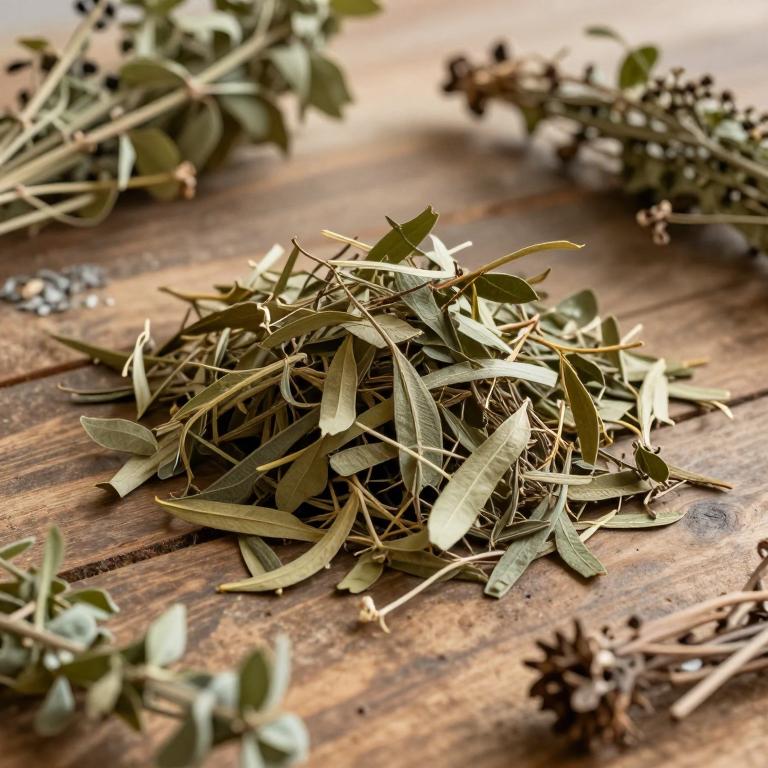
Names and Synonyms
Scientific Names
Accepted name
Bauhinia ungulata var. obtusifoliaSynonyms
- Bauhinia macrostachya var. obtusifolia
Sources: Wikidata
Taxonomical Classification
This plant belongs to the kingdom Plantae and is classified within the phylum Streptophyta and class Equisetopsida. Under the subclass Magnoliidae, it falls into the order Fabales and the family Fabaceae. Finally, its taxonomic identity is defined by the genus Bauhinia, specifically the variety obtusifolia.
| Rank | Classification |
|---|---|
| Kingdom | Plantae |
| Phylum | Streptophyta |
| Class | Equisetopsida |
| Subclass | Magnoliidae |
| Order | Fabales |
| Family | Fabaceae |
| Genus | Bauhinia |
Sources: The World Checklist of Vascular Plants (WCVP)
Distribution
This plant is primarily found within the diverse landscapes of South America. Its geographical presence is specifically concentrated in the country of Brazil. Within this nation, the species can be located throughout the Brazil North region. Additionally, its distribution extends into the Brazil Northeast area. These specific territories define the natural range where this variety thrives.
| Region | Area |
|---|---|
| Brazil | Brazil Northeast |
| Brazil | Brazil North |
Sources: The World Checklist of Vascular Plants (WCVP)
Chemicals
Bauhinia ungulata var. obtusifolia has 5 reported phytochemicals identified across 0 scientific publications and several other databases. The most consistently reported chemicals include CHLOROGENIC ACID, Flavonoids, Isoquercitrin, RUTIN, p-coumaric acid.
| Chemical | Supporting sources | Consensus |
|---|---|---|
| CHLOROGENIC ACID | 1 supporting sources | ★☆☆☆☆ |
| Flavonoids | 1 supporting sources | ★☆☆☆☆ |
| Isoquercitrin | 1 supporting sources | ★☆☆☆☆ |
| RUTIN | 1 supporting sources | ★☆☆☆☆ |
| p-coumaric acid | 1 supporting sources | ★☆☆☆☆ |
CHLOROGENIC ACID
- Pharmaceutics
Flavonoids
- Pharmaceutics
Isoquercitrin
- Pharmaceutics
RUTIN
- Pharmaceutics
p-coumaric acid
- Pharmaceutics
Preparations
Bauhinia ungulata var. obtusifolia has 1 reported preparations identified across 0 scientific publications and several other databases. The most consistently reported preparations include tea.
| Preparation | Supporting sources | Consensus |
|---|---|---|
| Tea | 1 supporting sources | ★☆☆☆☆ |
Tea
- Pharmaceutics