Barringtonia edulis
Barringtonia edulis · Accepted scientific name
Scientific literature: Very Sparse (1 studies) · ★☆☆☆☆
Barringtonia edulis is a remarkable botanical species known for its diverse range of pharmacological properties. Within traditional medicinal practices, this plant is highly valued for its specific therapeutic activities. Researchers have identified its significant potential as an analgesic to help manage various forms of physical discomfort. To harness these benefits, specialized extracts are commonly prepared from different parts of the plant. Consequently, studying this species offers promising insights into natural methods for addressing pain.
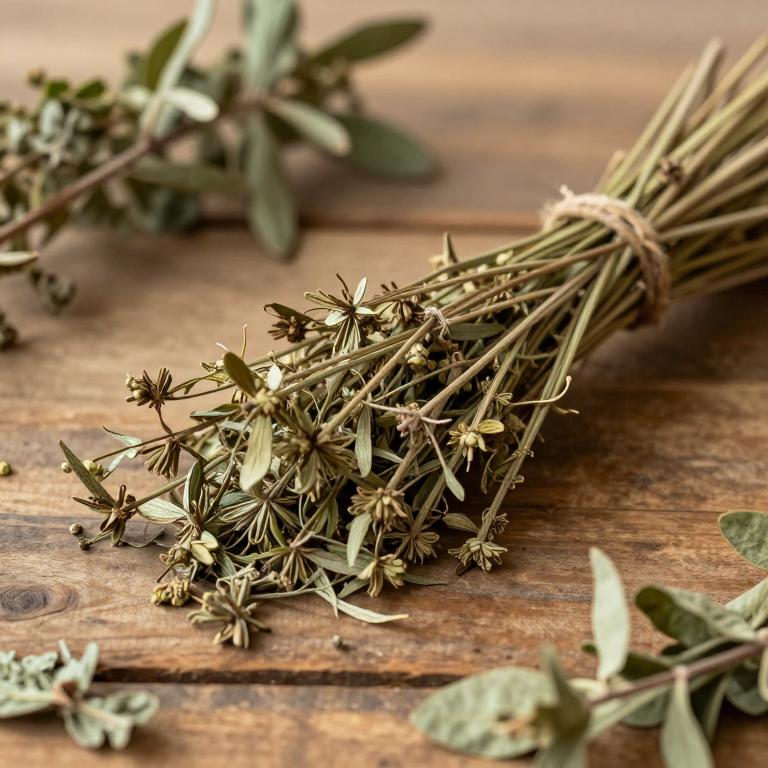
- Synonyms
- Butonica Edulis · Huttum Edule
- Common names
- Not available
- Family
- Lecythidaceae
- Distribution
- Not available
- Plant Parts
- Not available
Classification
Common Names
Barringtonia edulis is a versatile plant known by several distinct regional names. It is widely recognized by its common name, Cutnut, which reflects its unique characteristics. In certain areas, the species is also frequently referred to as Vutu. Some local populations further distinguish it using the specific name Vutu kana. These varying designations highlight the diverse linguistic connections associated with this single species.
Sources: Catalogue of Life (COL)
Synonyms
Barringtonia edulis is a botanical species that is recognized under several different scientific names. Within taxonomic literature, it is frequently identified by its synonym, Butonica edulis. Additionally, researchers may encounter the name Huttum edule when studying this particular plant. These various designations all refer to the same biological entity despite the linguistic differences. Understanding these synonyms is essential for ensuring accuracy in botanical classification and research.
Sources: The World Checklist of Vascular Plants (WCVP)
Taxonomy
Barringtonia edulis is a fascinating specimen that belongs to the vast kingdom Plantae. Within this biological realm, it is classified under the class Equisetopsida. The plant is further organized into the order Ericales, showcasing its specific evolutionary lineage. It holds a place within the genus Barringtonia, which defines its closely related botanical relatives. Finally, this species is a distinguished member of the Lecythidaceae family.
| Rank | Classification |
|---|---|
| Kingdom | Plantae |
| Phylum | Streptophyta |
| Class | Equisetopsida |
| Subclass | Magnoliidae |
| Order | Ericales |
| Family | Lecythidaceae |
| Genus | Barringtonia |
Sources: The World Checklist of Vascular Plants (WCVP)
Distribution
Geographic Regions
Barringtonia edulis is a distinct plant species with a specific geographic presence across the Pacific. Its natural distribution is centered primarily within the Southwestern Pacific region. Within these tropical waters, the plant can be found thriving in the archipelago of Fiji. It also maintains a notable presence throughout the island nation of Vanuatu. This concentrated range highlights the unique ecological niche the species occupies in its native habitat.
Sources: The World Checklist of Vascular Plants (WCVP)
Identification
Morphology
Barringtonia edulis is a self-supporting tree that establishes a sturdy presence in its natural habitat. This species typically reaches a maximum height of 10 meters as it matures. Its distinct growth form makes it a notable feature within its ecological community.
Sources: Global Inventory of Floras and Traits (GIFT)
Biological Activities
Barringtonia edulis has been identified as a plant species with significant potential for the relief of pain. Researchers investigated this species alongside several others used in traditional medicine across China, South America, Asia, and West Africa. To assess its pharmacological value, extracts were tested in in vitro receptor radioligand binding assays. These assays specifically targeted neuropeptide receptors like Bradykinin, neurokinin 1, and calcitonin gene-related peptide, all of which are involved in mediating acute pain. The study ultimately provided a strong indication of biological activity, suggesting that such ethnomedicinal plants may contain selective analgesic compounds.
Compounds
Conditions
Barringtonia edulis is identified as a plant species selected for its ethnomedicinal use in the relief of pain. Researchers investigated this specific plant to determine if its extracts could serve as sources for potential analgesic compounds. Through in vitro receptor radioligand binding assays, the study looked for biological activity related to the mediation of acute pain. The testing focused on how the plant interacts with neuropeptide receptors such as Bradykinin, neurokinin 1, and calcitonin gene-related peptide. Ultimately, the investigation aimed to confirm the scientific basis for the traditional use of Barringtonia edulis as a pain treatment.
Preparations
Barringtonia edulis is prepared as extracts to investigate its potential as an ethnomedicinal source for analgesic compounds. These specific plant extracts were subjected to in vitro receptor radioligand binding assays to evaluate their biological activity. The research focused on determining how these extracts interact with receptors like Bradykinin, neurokinin 1, and calcitonin gene-related peptide. By preparing the extracts in this manner, scientists could assess whether the plant shows selectivity toward receptors implicated in acute pain. Ultimately, the preparation of these extracts allowed for the identification of plants that exhibit strong indications of biological activity in pain mediation.