Barleria trispinosa
Barleria trispinosa · Accepted scientific name
Scientific literature: Very Sparse (1 studies) · ★☆☆☆☆
Barleria trispinosa is a notable botanical species currently being investigated for its diverse biological properties. Through detailed processes of extraction and fractionation, researchers have identified several significant bioactive compounds within the plant. Key chemical constituents such as acetylbarlerin, barlerin, and shanzhiside methyl ester play a crucial role in its pharmacological profile. These specific metabolites are particularly interesting due to the plant's demonstrated chemopreventive activities. Consequently, this species serves as a promising subject for further studies into natural disease prevention strategies.
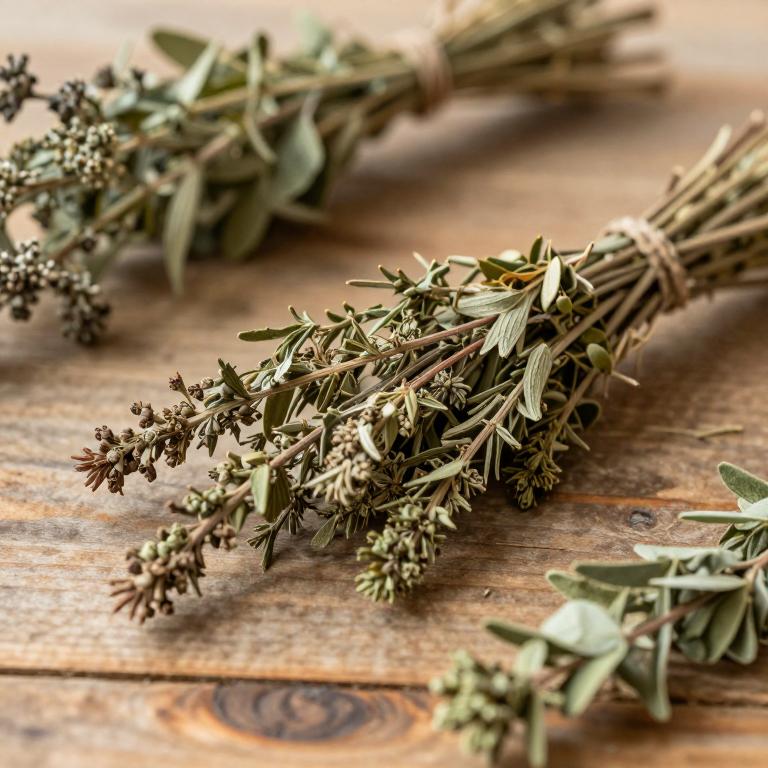
- Synonyms
- Justicia Trispinosa
- Common names
- Not available
- Family
- Acanthaceae
- Distribution
- Not available
- Plant Parts
- Not available
Classification
Synonyms
Barleria trispinosa is a botanical species that is frequently identified in various scientific databases under a different name. It is formally recognized as a synonym of Justicia trispinosa, reflecting shifts in taxonomic classification over time. Understanding these overlapping names is essential for researchers tracking the plant's evolutionary history and distribution. This nomenclatural link ensures that information regarding its medicinal properties or ecological role remains consistent across literature. Consequently, recognizing both terms allows for accurate identification within the complex world of plant taxonomy.
Sources: The World Checklist of Vascular Plants (WCVP)
Taxonomy
Barleria trispinosa is a distinctive member of the kingdom Plantae. Within this vast biological realm, it is specifically classified under the class Equisetopsida. This species belongs to the diverse order Lamiales, showcasing its unique evolutionary lineage. Further narrowing its identity, it is a prominent representative of the family Acanthaceae. Ultimately, this plant is defined by its membership in the genus Barleria.
| Rank | Classification |
|---|---|
| Kingdom | Plantae |
| Phylum | Streptophyta |
| Class | Equisetopsida |
| Subclass | Magnoliidae |
| Order | Lamiales |
| Family | Acanthaceae |
| Genus | Barleria |
Sources: The World Checklist of Vascular Plants (WCVP)
Distribution
Geographic Regions
Barleria trispinosa is a resilient plant species found throughout various regions of the African continent. Its natural distribution spans across East Tropical Africa, where it can be identified in both Kenya and Uganda. Additionally, the species thrives within the Northeast Tropical Africa corridor. Specifically, it occupies significant ecological niches in Djibouti, Eritrea, and Ethiopia. This wide geographic range highlights the plant's ability to adapt to the diverse climates of these African nations.
Sources: The World Checklist of Vascular Plants (WCVP)
Identification
Morphology
Barleria trispinosa is characterized by its distinct growth form as an herb.
Sources: Global Inventory of Floras and Traits (GIFT)
Biological Activities
Barleria trispinosa has demonstrated significant potential in pharmacological research due to its notable chemopreventive activities. Studies focusing on plants from Saudi Arabia have identified key iridoid compounds, most notably acetylbarlerin, which play a crucial role in these biological processes. Experimental evidence suggests that acetylbarlerin acts as an inducer of NQO1 enzymatic activity within murine hepatoma models. This compound further supports cellular health by inhibiting inflammation and suppressing nitric oxide production in macrophage models. Ultimately, molecular simulations reveal that these effects are driven by the inhibition of the Nrf2-KEAP1 complex, highlighting the plant's sophisticated mechanism for inducing chemoprevention.
Compounds
Barleria trispinosa is a plant species that contains several bioactive iridoid compounds. Through the process of extraction and fractionation, researchers have identified specific chemical constituents within the plant. These include acetylbarlerin, which has demonstrated significant chemopreventive and anti-inflammatory properties in various studies. Additionally, the plant is found to contain barlerin and shanzhiside methyl ester. Together, these compounds highlight the complex phytochemical profile of Barleria trispinosa.
Conditions
Barleria trispinosa contains specific iridoid compounds, such as acetylbarlerin, that effectively mitigate inflammation induced by lipopolysaccharides (LPS). In a RAW264.7 macrophage model, these compounds demonstrate a clear ability to inhibit the production of nitric oxide. This anti-inflammatory effect is achieved through the suppression of iNOS protein expression. Additionally, the plant's bioactive components act by inhibiting the Nrf2-KEAP1 complex to induce chemopreventive enzymatic activity. Consequently, the phytochemicals derived from this species serve as potent agents in managing LPS-driven inflammatory responses.
Preparations
Barleria trispinosa is prepared as an extraction and fractionation process to isolate specific chemical constituents. This methodology was applied to specimens growing in Saudi Arabia to yield four distinct iridoid compounds. Among these isolated substances, acetylbarlerin was identified as a significant compound for further pharmacological study. The extraction process successfully allowed researchers to utilize spectroscopic techniques for the precise identification of these iridoids. Consequently, these prepared extracts provided the necessary foundation for investigating the plant's chemopreventive and anti-inflammatory properties.