Barleria prattensis
Barleria prattensis · Accepted scientific name
Scientific literature: Very Sparse (8 studies) · ★☆☆☆☆
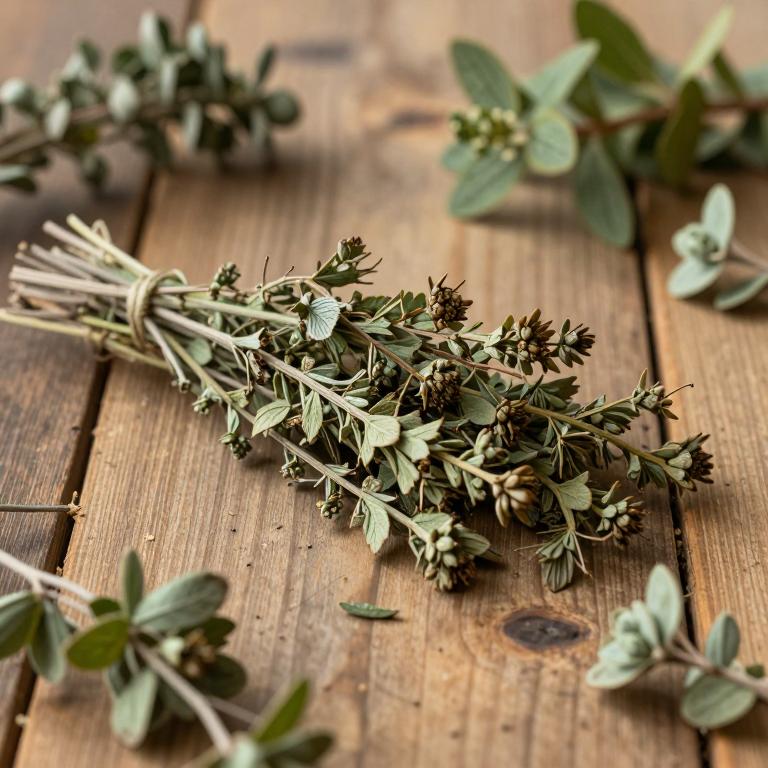
Barleria prionitis, scientifically known as Barleria pratensis, is a versatile medicinal shrub native to tropical regions. Renowned in traditional Ayurvedic medicine, it possesses potent anti-inflammatory, antimicrobial, and antioxidant properties. Often used to treat skin ailments, wounds, and respiratory issues, this hardy plant remains a vital resource in ethnobotany.
- Family
- Acanthaceae
- Native range
- Asia-Tropical
- Parts used
- Not available
- Common names
- Not available
- Scientific synonyms
- Not available
Names and Synonyms
Scientific Names
Accepted name
Barleria prattensisSources: Wikidata, Catalogue of Life
Taxonomical Classification
This plant, Barleria pratensis, belongs to the kingdom Plantae and the phylum Streptophyta. Within the class Equisetopsida and subclass Magnoliidae, it is further classified under the order Lamiales. Finally, it is a member of the family Acanthaceae and is placed within the genus Barleria.
| Rank | Classification |
|---|---|
| Kingdom | Plantae |
| Phylum | Streptophyta |
| Class | Equisetopsida |
| Subclass | Magnoliidae |
| Order | Lamiales |
| Family | Acanthaceae |
| Genus | Barleria |
Sources: The World Checklist of Vascular Plants (WCVP)
Distribution
This plant is primarily found within the specific geographical confines of the Indian Subcontinent. Its native range is concentrated largely within the borders of India. Due to this localized presence, it is considered a significant botanical species for the region's traditional medicine. The environmental conditions of the Indian landscape provide the ideal habitat required for its growth. Consequently, its distribution remains a key characteristic of its natural ecological profile.
| Region | Area |
|---|---|
| Indian Subcontinent | India |
Sources: The World Checklist of Vascular Plants (WCVP)
Chemicals
Barleria prattensis has 3 reported phytochemicals identified across 0 scientific publications and several other databases. The most consistently reported chemicals include NEOPHYTADIENE, Phytol, squalene.
| Chemical | Supporting sources | Consensus |
|---|---|---|
| NEOPHYTADIENE | 1 supporting sources | ★☆☆☆☆ |
| Phytol | 1 supporting sources | ★☆☆☆☆ |
| squalene | 1 supporting sources | ★☆☆☆☆ |
NEOPHYTADIENE
- Biochemistry and biophysics reports
Phytol
- Biochemistry and biophysics reports
squalene
- Biochemistry and biophysics reports
Activities
Barleria prattensis has 4 reported activities identified across 0 scientific publications and several other databases. The most consistently reported activities include Anticancer, Antimicrobial, Antioxidant, Cytotoxic.
| Activity | Supporting sources | Consensus |
|---|---|---|
| Anticancer | 1 supporting sources | ★☆☆☆☆ |
| Antimicrobial | 1 supporting sources | ★☆☆☆☆ |
| Antioxidant | 1 supporting sources | ★☆☆☆☆ |
| Cytotoxic | 1 supporting sources | ★☆☆☆☆ |
Anticancer
- Biochemistry and biophysics reports
Antimicrobial
- Biochemistry and biophysics reports
Antioxidant
- Biochemistry and biophysics reports
Cytotoxic
- Biochemistry and biophysics reports
Conditions
Barleria prattensis has 1 reported investigations on conditions identified across 0 scientific publications and several other databases. The most consistently reported conditions include breast cancer.
| Condition | Supporting sources | Consensus |
|---|---|---|
| Breast cancer | 1 supporting sources | ★☆☆☆☆ |
Breast cancer
- Biochemistry and biophysics reports
Preparations
Barleria prattensis has 5 reported preparations identified across 0 scientific publications and several other databases. The most consistently reported preparations include PE extract, chloroform (CHCl3) extracts, methanol (MeOH) extracts, methanolic extract, petroleum ether (PE) extracts.
| Preparation | Supporting sources | Consensus |
|---|---|---|
| Pe extract | 1 supporting sources | ★☆☆☆☆ |
| Chloroform (chcl3) extracts | 1 supporting sources | ★☆☆☆☆ |
| Methanol (meoh) extracts | 1 supporting sources | ★☆☆☆☆ |
| Methanolic extract | 1 supporting sources | ★☆☆☆☆ |
| Petroleum ether (pe) extracts | 1 supporting sources | ★☆☆☆☆ |
Pe extract
- Biochemistry and biophysics reports
Chloroform (chcl3) extracts
- Biochemistry and biophysics reports
Methanol (meoh) extracts
- Biochemistry and biophysics reports
Methanolic extract
- Biochemistry and biophysics reports
Petroleum ether (pe) extracts
- Biochemistry and biophysics reports