Bambusa multiplex
Bambusa multiplex · Accepted scientific name
Scientific literature: Very Sparse (1 studies) · ★☆☆☆☆
, scientifically known as Bambusa multiplex, is a versatile tropical bamboo renowned for its medicinal and practical properties. Often used in traditional practices, it offers significant therapeutic potential. Beyond its healing applications, this resilient plant serves as an essential resource for ecological stability and sustainable material development globally.
- Family
- Not available
- Native range
- Africa
- Parts used
- Leaf
- Common names
- Not available
- Scientific synonyms
- Not available
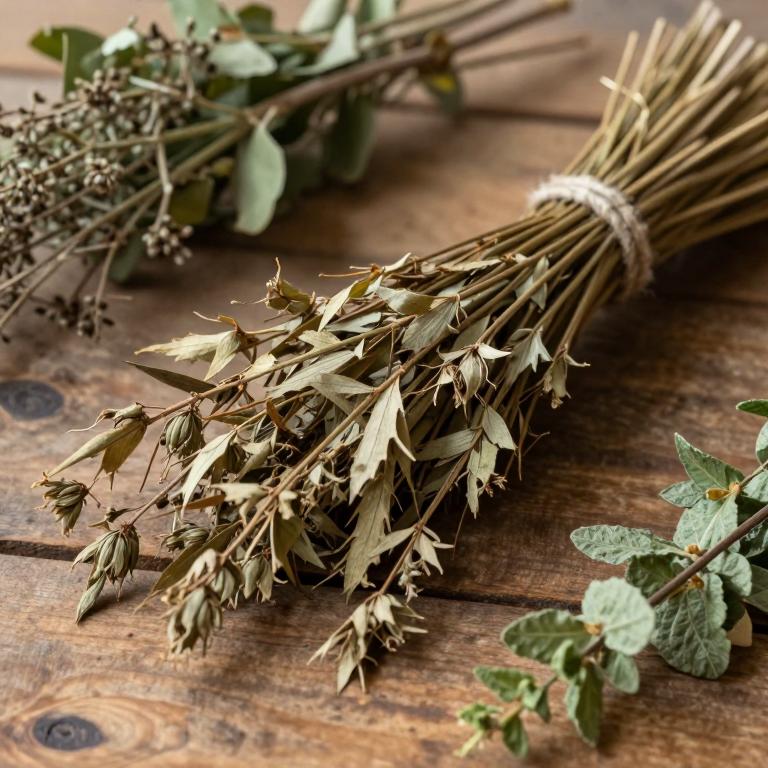
Names and Synonyms
Scientific Names
Accepted name
Bambusa multiplexDistribution
This plant exhibits a broad geographical distribution spanning across several distinct regions. In the Western Indian Ocean, it can be found inhabiting the islands of Mauritius, Madagascar, and the Seychelles. Its range also extends into Western Asia, specifically within the borders of Iraq. Furthermore, the species is documented to grow within the China South-Central region. These diverse locations highlight the wide environmental adaptability of the species.
| Region | Area |
|---|---|
| Western Indian Ocean | Mauritius |
| Western Indian Ocean | Madagascar |
| Western Indian Ocean | Seychelles |
| Western Asia | Iraq |
| China | China South-Central |
| China | Hainan |
| China | China Southeast |
| Eastern Asia | Japan |
| Eastern Asia | Nansei-shoto |
| Eastern Asia | Ogasawara-shoto |
Sources: The World Checklist of Vascular Plants (WCVP)
Botanical Identification
Ecology
The ecology of Bambusa multiplex is characterized by a broad altitudinal distribution, ranging from sea level at 0 m AMSL up to a maximum elevation of 2000 m AMSL. This species demonstrates significant adaptability to various environments, frequently establishing itself within anthropogenic areas (Área Antrópica), where it thrives in human-modified landscapes and disturbed habitats.
- Elevational range max:
- 2000 m AMSL
- Elevational range min:
- 0 m AMSL
- Habitat :
- Área Antrópica
Life history
The life history of Bambusa multiplex is characterized by its nature as a perennial plant, allowing it to persist through multiple growing seasons and establish a long-term presence in its habitat. As an evergreen species, it maintains its foliage throughout the year, providing constant photosynthetic activity and structural density without undergoing a seasonal period of leaf loss. This combination of a continuous life cycle and year-round greenness enables the plant to maintain steady growth and provide consistent ecological benefits over its extended lifespan.
- Deciduousness :
- evergreen
- Lifecycle :
- perennial
Morphology
The morphology of Bambusa multiplex is characterized by a woody growth form that can manifest as both a tree and a shrub. This species typically reaches a plant height with a mean of approximately 4.5 m. It is a terrestrial organism, functioning as an independent plant rather than a parasite, and it is not an epiphyte, maintaining a strictly terrestrial existence. In terms of its structural habit, the plant is self-supporting, categorized as neither a liana nor a vine, and it does not require external support for its upright growth.
- Aquatic :
- terrestrial
- Climber :
- self-supporting
- Epiphyte :
- terrestrial
- Growth form :
- tree
- Growth form :
- shrub
- Parasite :
- independent
- Plant height mean:
- 4.5 m
- Woodiness :
- woody
Physiology
The physiology of Bambusa multiplex is characterized by a highly efficient photosynthetic mechanism and a rapid growth cycle driven by an extensive rhizome system. As a member of the Poaceae family, it utilizes the C3 photosynthetic pathway to convert solar energy into chemical energy, supporting the quick development of its woody culms. The plant exhibits specialized vascular anatomy that facilitates the rapid upward transport of water and minerals through xylem vessels to sustain high transpiration rates. In terms of nutrient cycling and soil interaction, Bambusa multiplex is not a nitrogen fixer; it lacks the symbiotic relationship with diazotrophic bacteria, such as Rhizobium, required to convert atmospheric nitrogen into bioavailable forms. Consequently, its physiological nitrogen uptake is entirely dependent on the assimilation of nitrates and ammonium present in the soil substrate. The plant's metabolic processes are heavily influenced by moisture availability and light intensity, which dictate its rate of cell division and the lignification of its structural tissues.
- Nitrogen fixer :
- no
Reproduction
The reproduction of Bambusa multiplex is governed by abiotic mechanisms, specifically through a pollination syndrome characterized by wind. The process relies on the movement of pollen via air currents rather than biological vectors, ensuring that genetic material is transferred across the population through anemophilous means. This reliance on wind as the primary medium for pollination aligns with its abiotic classification, distinguishing its reproductive strategy from those dependent on biotic agents such as insects, birds, or bats.
- Pollination syndrome :
- wind
- Pollination syndrome :
- abiotic
Sources: Global Inventory of Floras and Traits (GIFT)
Plant Parts
Bambusa multiplex has 1 reported plant parts identified across 1 scientific publications and several other databases that are studied for medicinal purposes. The most consistently reported plant part include leaf.
| Plant part | Supporting sources | Consensus |
|---|---|---|
| Leaf | 1 supporting sources | ★☆☆☆☆ |
Leaf
- Molecules (Basel, Switzerland)
Preparations
Bambusa multiplex has 5 reported preparations identified across 1 scientific publications and several other databases. The most consistently reported preparations include freeze-drying, microwave, oven, shade, sun.
| Preparation | Supporting sources | Consensus |
|---|---|---|
| Freeze-drying | 1 supporting sources | ★☆☆☆☆ |
| Microwave | 1 supporting sources | ★☆☆☆☆ |
| Oven | 1 supporting sources | ★☆☆☆☆ |
| Shade | 1 supporting sources | ★☆☆☆☆ |
| Sun | 1 supporting sources | ★☆☆☆☆ |
Freeze-drying
- Molecules (Basel, Switzerland)
Microwave
- Molecules (Basel, Switzerland)
Oven
- Molecules (Basel, Switzerland)
Shade
- Molecules (Basel, Switzerland)
Sun
- Molecules (Basel, Switzerland)