Ballota macrodonta
Ballota macrodonta · Accepted scientific name
Scientific literature: Very Sparse (1 studies) · ★☆☆☆☆
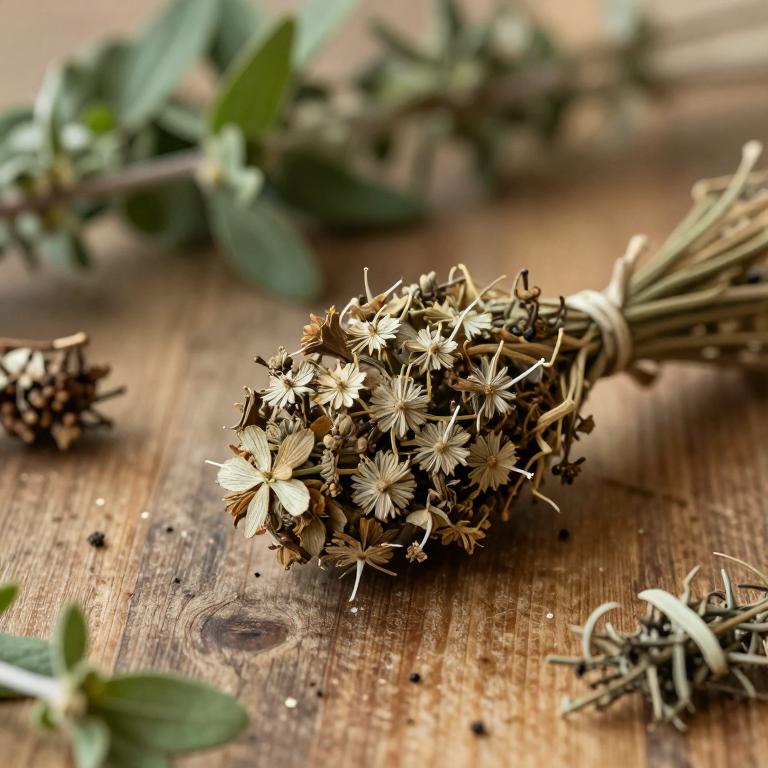
Ballota macrodonta is a fascinating botanical species known for its unique physical characteristics and medicinal potential. This plant belongs to the mint family, offering distinct textures and aromas that set it apart from its relatives. Beyond its aesthetic value, researchers have taken a keen interest in its various biological activities. Specifically, the plant has demonstrated significant antiviral properties that warrant further scientific investigation. Understanding these medicinal capabilities could unlock new pathways for natural therapeutic applications.
- Synonyms
- Not available
- Common names
- Not available
- Family
- Not available
- Distribution
- Not available
- Plant Parts
- Not available
Classification
Distribution
Geographic Regions
Ballota macrodonta is a distinctive plant species primarily found within the Asia-Temperate regions. Its natural distribution extends across various landscapes, including the diverse terrains of Western Asia. Notably, the plant is well-established within the borders of Türkiye, where it thrives in its native habitat. Understanding these specific geographical ranges is essential for studying its ecological role and conservation needs. This distribution pattern highlights the plant's adaptation to the unique environmental conditions of these specific territories.
Sources: The World Checklist of Vascular Plants (WCVP)
Identification
Morphology
Ballota macrodonta is a self-supporting plant that maintains its own structure without the need for external assistance.
Sources: Global Inventory of Floras and Traits (GIFT)
Biological Activities
Ballota macrodonta was included as one of the Turkish medicinal plants evaluated during an in vitro screening for antiviral properties. Researchers specifically tested various plant extracts to identify potential compounds capable of combating human rotavirus, a primary cause of severe gastroenteritis in young children. The study employed a focus reduction assay to measure the effectiveness of these botanical extracts against the virus. While the screening process examined several species, the results highlighted specific inhibitory activities within the tested group. Ultimately, this investigation serves as a foundation for exploring endemic flora as potential sources for new antiviral treatments.
Compounds
Conditions
Ballota macrodonta was included in an in vitro screening to evaluate its potential antiviral activity against human rotavirus. This plant was tested alongside other Turkish species to identify natural compounds capable of combating the leading cause of severe gastroenteritis in young children. While the study focused on finding effective treatments for HRoV, the specific results for this plant were compared against other extracts. The research aimed to discover medicinal plants that could offer a more targeted approach than current rehydration methods. Ultimately, the study sought to determine if extracts like those from Ballota macrodonta possessed the necessary inhibitory properties to treat the virus.