Bacopa
Bacopa · Accepted scientific name
Scientific literature: Very Sparse (0 studies) · ★☆☆☆☆
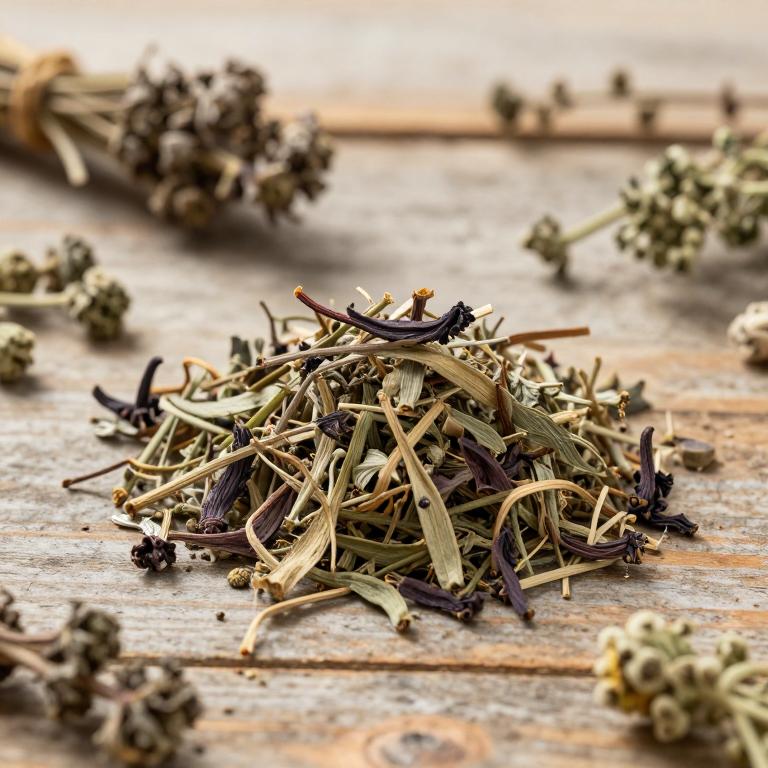
Bacopa is a revered botanical widely utilized in the field of nootropics to enhance cognitive function. This plant contains potent active compounds, most notably the chemical Bacoside A, which plays a crucial role in its therapeutic effects. Researchers frequently study its ability to mitigate the impact of neurodegenerative disease through various medicinal applications. To harness these benefits, the plant is commonly processed into specialized forms such as infusions, extracts, and alkaloid extracts. By utilizing these diverse preparations, individuals can effectively integrate this herb into their mental wellness routines.
- Synonyms
- Naiadothrix · Mella · 25 more
- Common names
- Not available
- Family
- Plantaginaceae
- Distribution
- Not available
- Plant Parts
- Not available
Classification
Common Names
Bacopa is a versatile aquatic plant known by a variety of different names depending on the region and language. It is frequently referred to by its common English moniker, Water Hyssop. In certain contexts, you may also encounter it called bakopa or bakopat. Some enthusiasts use the term tjockblad to describe its characteristic thick leaves. Furthermore, it is sometimes categorized under the Swedish designation tjockbladssläktet.
Sources: Catalogue of Life (COL)
Synonyms
Bacopa is a botanical subject that is recognized by several different scientific and common names. Throughout various historical and botanical texts, it has been referred to by synonyms such as Allocalyx and Anisocalyx. The plant is also frequently identified in traditional contexts using names like Brami or Bramia. Additionally, researchers may encounter it under the alternative designation of Caconapea. Understanding these various nomenclatures is essential for accurately identifying the species across different literature.
Sources: The World Checklist of Vascular Plants (WCVP)
Taxonomy
Bacopa belongs to the diverse kingdom Plantae, representing a unique branch of the living world. Within this vast kingdom, the plant is classified under the class Equisetopsida. It further falls into the order Lamiales, showcasing its specific evolutionary lineage. As a member of the family Plantaginaceae, it shares botanical characteristics with several other notable species. Ultimately, this plant is defined by its specific genus, Bacopa, which distinguishes it from its relatives.
| Rank | Classification |
|---|---|
| Kingdom | Plantae |
| Phylum | Streptophyta |
| Class | Equisetopsida |
| Subclass | Magnoliidae |
| Order | Lamiales |
| Family | Plantaginaceae |
| Genus | Bacopa |
Sources: The World Checklist of Vascular Plants (WCVP)
Distribution
Geographic Regions
Bacopa exhibits a broad geographic distribution across several diverse regions of the African continent. In East Tropical Africa, this plant can be found thriving within the borders of Kenya, Tanzania, and Uganda. Its presence also extends into Northeast Tropical Africa, where it inhabits the landscapes of Chad. Furthermore, the species has been identified in the unique environment of Socotra. This varied range highlights the plant's ability to adapt to multiple distinct ecosystems throughout the region.
Sources: The World Checklist of Vascular Plants (WCVP)
Identification
Biological Activities
Compounds
Bacopa monnieri is a renowned Ayurvedic medicinal plant widely utilized as a nootropic to enhance cognitive functions such as memory and concentration. Modern biomedical research has highlighted its significant potential to mitigate inflammatory responses within the central nervous system. Specifically, studies have demonstrated that various forms of the plant, including its alkaloid extracts and Bacoside A, effectively inhibit the release of pro-inflammatory cytokines. By suppressing these inflammatory markers and associated enzymes, the plant helps protect microglial cells in the brain. Consequently, Bacopa represents a promising natural source for developing novel therapeutics to treat diverse neurological disorders.
Conditions
Bacopa is recognized in ethnobotanical research as a traditional brain tonic. It is also categorized among medicinal herbs utilized for the treatment of neurodegenerative disease. Furthermore, the plant serves as a notable nootropic within Ayurvedic and other traditional medical systems. Scientific studies highlight its ability to drive unique changes in gut microbiota profiles. These diverse applications underscore the significant role of Bacopa in supporting neurological health.
Preparations
Bacopa is prepared as extract to investigate its protective effects against ischemia/reperfusion injury and oxidative stress. Various forms of the plant are utilized in research, as Bacopa is prepared as plant extracts to evaluate neuroprotective roles in the hippocampus. Specifically, Bacopa is prepared as alkaloid extracts, which have demonstrated the ability to inhibit pro-inflammatory cytokines and enzymes in the brain. Additionally, Bacopa is prepared as infusion and tea to test its efficacy in limiting central nervous system inflammation. These different preparation methods allow for a comprehensive study of the medicinal properties of the plant.