Baccharis myriocephala
Baccharis myriocephala · Accepted scientific name
Scientific literature: Very Sparse (1 studies) · ★☆☆☆☆
, scientifically known as Baccharis myriocephala, is a resilient shrub native to specific Australian regions. Renowned for its unique botanical characteristics, this plant holds significant ethnobotanical value. Researchers are increasingly exploring its bioactive compounds, investigating potential medicinal applications for its therapeutic properties in traditional and modern pharmacological studies.
- Family
- Asteraceae
- Native range
- Southern America
- Parts used
- Not available
- Common names
- Not available
- Scientific synonyms
- Not available
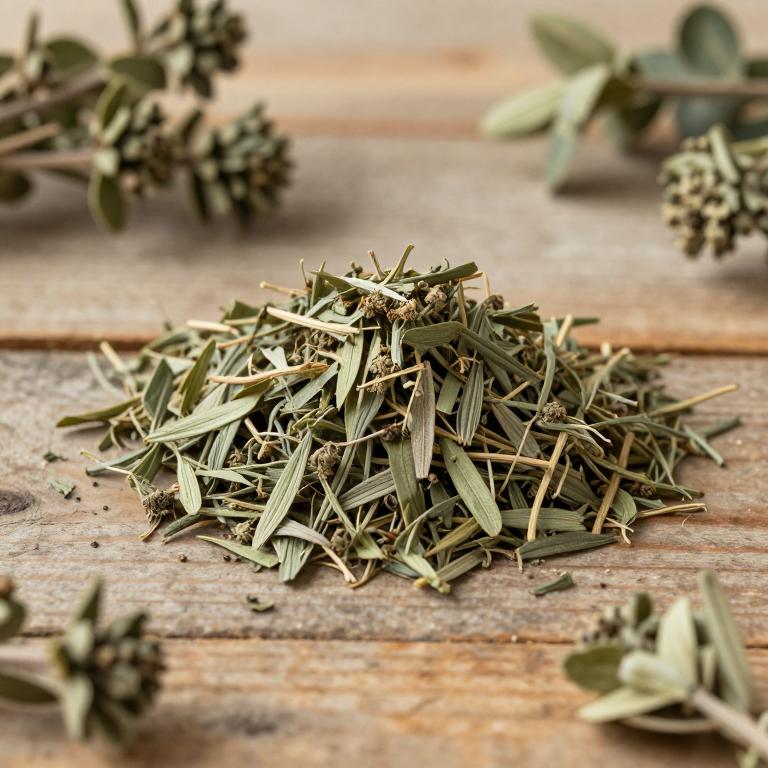
Names and Synonyms
Scientific Names
Accepted name
Baccharis myriocephalaSources: Wikidata, Catalogue of Life
Taxonomical Classification
This plant belongs to the kingdom Plantae and is classified under the phylum Streptophyta within the class Equisetopsida. As a member of the subclass Magnoliidae and the order Asterales, it falls under the family Asteraceae. Finally, it is categorized within the genus Baccharis as the species Baccharis myriocephala.
| Rank | Classification |
|---|---|
| Kingdom | Plantae |
| Phylum | Streptophyta |
| Class | Equisetopsida |
| Subclass | Magnoliidae |
| Order | Asterales |
| Family | Asteraceae |
| Genus | Baccharis |
Sources: The World Checklist of Vascular Plants (WCVP)
Distribution
This plant exhibits a specific distribution across parts of South America. It is found within the southern region of Brazil. Furthermore, its range extends into the neighboring country of Paraguay. The species is also documented throughout Uruguay. Consequently, its presence is concentrated in the southern reaches of the continent.
| Region | Area |
|---|---|
| Brazil | Brazil South |
| Southern South America | Paraguay |
| Southern South America | Uruguay |
Sources: The World Checklist of Vascular Plants (WCVP)
Botanical Identification
Ecology
The ecology of Baccharis myriocephala is defined by its presence in high-altitude forest environments, specifically characterized by the Bosque alto habitat. This species exhibits a broad vertical distribution across varying landscapes, spanning an elevational range that begins at sea level (0 m AMSL) and extends up to a maximum altitude of 1400 m AMSL. This wide altitudinal gradient suggests an adaptability to diverse microclimates within these high forests, allowing it to thrive in both lowland transitional zones and significantly higher montane elevations.
- Elevational range max:
- 1400 m AMSL
- Elevational range min:
- 0 m AMSL
- Habitat :
- Bosque alto
Life history
The life history of Baccharis myriocephala is characterized by a perennial lifecycle, allowing the plant to persist in its environment through multiple growing seasons. As a long-lived species, it establishes a stable presence within its habitat, often developing woody structures that support its continued survival over many years. This perennial nature enables the plant to undergo successive cycles of vegetative growth and reproductive phases, adapting its physiological processes to seasonal shifts and resource availability. Unlike annual or biennial species that complete their life cycle in a single or dual season, Baccharis myriocephala maintains a continuous biological existence, contributing to the long-term stability of its ecological niche.
- Lifecycle :
- perennial
Morphology
The morphology of Baccharis myriocephala is characterized by a growth form that ranges from a shrub to a subshrub, exhibiting a distinctly woody structure. This plant functions as a self-supporting organism rather than a climber, maintaining an upright posture through its lignified tissues. It is an independent species, lacking parasitic tendencies, and is primarily terrestrial in its ecological habit, rather than being aquatic or epiphytic.
- Aquatic :
- terrestrial
- Climber :
- self-supporting
- Epiphyte :
- terrestrial
- Growth form :
- shrub
- Growth form :
- subshrub
- Parasite :
- independent
- Woodiness :
- woody
Sources: Global Inventory of Floras and Traits (GIFT)
Chemicals
Baccharis myriocephala has 1 reported phytochemicals identified across 0 scientific publications and several other databases. The most consistently reported chemicals include Carquejyl acetate.
| Chemical | Supporting sources | Consensus |
|---|---|---|
| Carquejyl acetate | 1 supporting sources | ★☆☆☆☆ |
Carquejyl acetate
- Journal of pharmaceutical and biomedical analysis