Baccharis latifolia
Baccharis latifolia · Accepted scientific name
Scientific literature: Very Sparse (0 studies) · ★☆☆☆☆
Baccharis latifolia is a versatile shrub widely recognized for its significant presence in various ecological landscapes. Scientific investigations have focused on evaluating its biological potential through various chemical preparations, including aqueous, methanol, and dichloromethane extracts. These studies specifically aim to understand how the plant's bioactive compounds influence cellular mechanisms such as the respiratory burst. By analyzing these diverse extracts, researchers seek to uncover the plant's underlying pharmacological properties. Ultimately, the characterization of Baccharis latifolia offers promising insights into its medicinal utility and antioxidant capabilities.
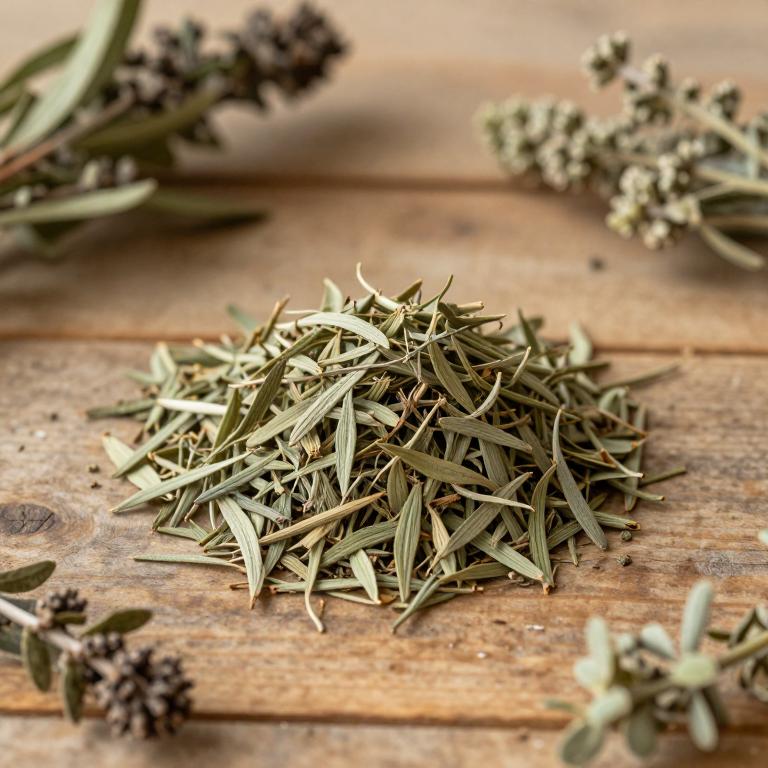
- Synonyms
- Baccharis Floribunda · Baccharis Polyantha Var. Macrophylla · 5 more
- Common names
- Not available
- Family
- Asteraceae
- Distribution
- Not available
- Plant Parts
- Not available
Classification
Common Names
Baccharis latifolia is a resilient shrub known by several different local identifiers. Depending on the regional dialect, it is frequently referred to by the common name Chilca. In other areas, the name is often spelled as Chillka to reflect local phonetic variations. Understanding these naming conventions is essential for anyone studying the plant's distribution. Regardless of the spelling used, this species remains a significant component of its native ecosystem.
Sources: Catalogue of Life (COL)
Synonyms
Baccharis latifolia is a plant species that is known by several different scientific names due to varying taxonomic classifications. It is frequently referred to by its synonyms Baccharis floribunda and Baccharis polyantha in botanical literature. The species also encompasses the specific variety known as Baccharis polyantha var. macrophylla. Furthermore, researchers may identify this plant as Baccharis riparia depending on the historical context of the study. Finally, the name Molina latifolia serves as another recognized synonym within its complex botanical history.
Sources: The World Checklist of Vascular Plants (WCVP)
Taxonomy
Baccharis latifolia belongs to the vast kingdom Plantae, representing a diverse group of multicellular organisms. Within this kingdom, the species is classified under the class Equisetopsida. It further falls into the order Asterales, a group known for its unique floral structures. As a member of the Asteraceae family, it shares characteristics with many common wildflowers and shrubs. Ultimately, this plant is defined by its specific placement within the genus Baccharis.
| Rank | Classification |
|---|---|
| Kingdom | Plantae |
| Phylum | Streptophyta |
| Class | Equisetopsida |
| Subclass | Magnoliidae |
| Order | Asterales |
| Family | Asteraceae |
| Genus | Baccharis |
Sources: The World Checklist of Vascular Plants (WCVP)
Distribution
Geographic Regions
Baccharis latifolia is a versatile plant with a broad geographical presence across much of South America. Its distribution spans the northern reaches of the continent, including significant populations in Venezuela and Colombia. Moving toward the west, the species is also firmly established within the landscapes of Ecuador and Bolivia. The plant's reach extends into the southern regions as well, specifically found throughout the northwest of Argentina. This wide range demonstrates the plant's ability to thrive in diverse South American environments.
Sources: The World Checklist of Vascular Plants (WCVP)
Identification
Morphology
Baccharis latifolia is a self-supporting plant that typically adopts a shrub growth form. This resilient species maintains a consistent structural presence in its natural habitat. It generally reaches a minimum height of 2 m as it matures. Under optimal conditions, the plant can grow to a maximum height of 4 m.
Sources: Global Inventory of Floras and Traits (GIFT)
Biological Activities
Compounds
Conditions
Baccharis latifolia demonstrates significant antifungal activity against Aspergillus fumigatus, making its essential oils potential candidates for disinfecting hospital environments. The plant also exhibits inhibitory effects on various physiological processes within human neutrophils. Specifically, Baccharis latifolia treats the respiratory burst and helps manage the production of reactive oxygen species (ROS). Additionally, it plays a role in treating reactive nitrogen species (RNS) levels. Finally, the plant is effective in treating the synthesis of the inducible heat shock protein hsp72.
Preparations
Baccharis latifolia is prepared as aqueous extracts to study its effects on respiratory burst and stress protein synthesis. This plant is also prepared as dichloromethane extracts for investigation into its biological activities. Researchers utilize Baccharis latifolia prepared as methanol extracts to measure its impact on reactive oxygen species and nitrogen species. In addition to these specific methods, the plant is prepared as extracts to evaluate its antiproliferative activity against human hepatocellular carcinoma cells. These various preparation methods allow for a comprehensive assessment of the plant's medicinal properties in different experimental contexts.