Baccharis hieronymi
Baccharis hieronymi · Accepted scientific name
Scientific literature: Very Sparse (0 studies) · ★☆☆☆☆
Baccharis hieronymi is a resilient shrub known for its diverse pharmacological potential in traditional medicine. Recent investigations have focused on its biological efficacy against the herpes simplex virus type 1 (HSV-1). To harness these therapeutic properties, researchers utilize specialized organic extracts derived from the plant's various components. These concentrated formulations allow for a more targeted study of the plant's antiviral mechanisms. Understanding the bioactive compounds within these extracts remains essential for developing new natural treatments.
- Synonyms
- Baccharis Pseudospicata
- Common names
- Not available
- Family
- Asteraceae
- Distribution
- Not available
- Plant Parts
- Not available
Classification
Common Names
Baccharis hieronymi is a distinctive plant species commonly known by its Portuguese name, vassoura-de-folha-estreita. This name, which translates to "narrow-leaf broom," reflects the unique structure of its foliage and growth pattern. As a member of the Asteraceae family, it plays a specific role within its native ecological niche. Understanding its local nomenclature provides valuable insight into how different cultures categorize and interact with regional flora. Identifying the plant by its common name helps botanists and locals alike communicate effectively about its presence in the landscape.
Sources: Catalogue of Life (COL)
Synonyms
Baccharis hieronymi is a plant species that is frequently encountered in botanical studies under different names. It is officially recognized as having the synonym Baccharis pseudospicata, a detail that can sometimes cause confusion for researchers. Understanding these nomenclature connections is essential for maintaining accurate taxonomic records and ensuring consistent identification. By linking these two names, botanists can more effectively track the distribution and characteristics of the species. Consequently, recognizing this relationship helps simplify the complex process of classifying diverse flora.
Sources: The World Checklist of Vascular Plants (WCVP)
Taxonomy
Baccharis hieronymi is a unique botanical specimen that belongs to the kingdom Plantae. Within this vast biological kingdom, the plant is classified under the class Equisetopsida. It further descends through the order Asterales, placing it in a specific evolutionary lineage. The species is a distinguished member of the genus Baccharis. Ultimately, this intricate taxonomic journey reveals its place within the diverse family Asteraceae.
| Rank | Classification |
|---|---|
| Kingdom | Plantae |
| Phylum | Streptophyta |
| Class | Equisetopsida |
| Subclass | Magnoliidae |
| Order | Asterales |
| Family | Asteraceae |
| Genus | Baccharis |
Sources: The World Checklist of Vascular Plants (WCVP)
Distribution
Geographic Regions
Baccharis hieronymi is a notable plant species primarily found within the diverse landscapes of Southern America. Its presence is particularly concentrated across the regions of Western South America, where it thrives in specific ecological niches. Within this broad geographic range, Ecuador serves as a key area for its natural occurrence. Understanding its distribution helps botanists map the environmental requirements necessary for its continued survival. Consequently, this species remains a significant component of the local flora throughout these South American territories.
Sources: The World Checklist of Vascular Plants (WCVP)
Identification
Morphology
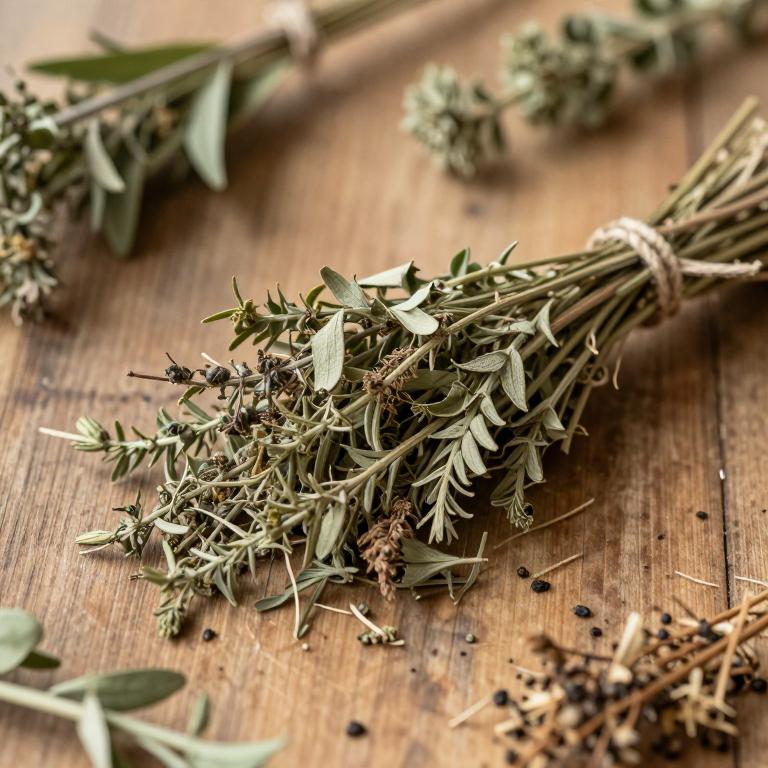
Baccharis hieronymi is characterized by its distinct shrub-like growth form. This resilient plant is entirely self-supporting, maintaining its structure without the need for external assistance.
Sources: Global Inventory of Floras and Traits (GIFT)
Biological Activities
Compounds
Conditions
Baccharis hieronymi is not mentioned in the provided abstracts as having any specific medical properties. The research documents focus on the antiviral potential of Baccharis gaudichaudiana against HSV-1, PV-2, and VSV. Additionally, the texts identify Baccharis spicata as a plant possessing trypanocidal activity. There is no evidence in the provided text to support the claim that Baccharis hieronymi treats HSV-1, PV-2, VSV, or trypanosomiasis. Therefore, the specific relationships involving Baccharis hieronymi cannot be confirmed through these sources.
Preparations
Baccharis hieronymi is prepared as organic extracts to investigate its potential medicinal properties. These specific preparations are utilized within the context of studying Argentine traditional medicine. The process involves creating organic extracts to test for biological activities such as trypanocidal effects. This method of preparation allows researchers to evaluate the efficacy of the plant against parasites like Trypanosoma cruzi. Consequently, the use of organic extracts serves as a key component in assessing the plant's pharmacological value.