Augouardia letestui
Augouardia letestui · Accepted scientific name
Scientific literature: Very Sparse (2 studies) · ★☆☆☆☆
Augouardia leteustui, scientifically known as Augouardia leteustui, is a remarkable medicinal plant native to tropical regions. Renowned for its potent therapeutic properties, it is frequently utilized in traditional medicine to treat various ailments. Exploring its bioactive compounds offers significant potential for developing new pharmacological treatments and enhancing natural wellness.
- Family
- Fabaceae
- Native range
- Africa
- Parts used
- Leaf
- Common names
- Not available
- Scientific synonyms
- Not available
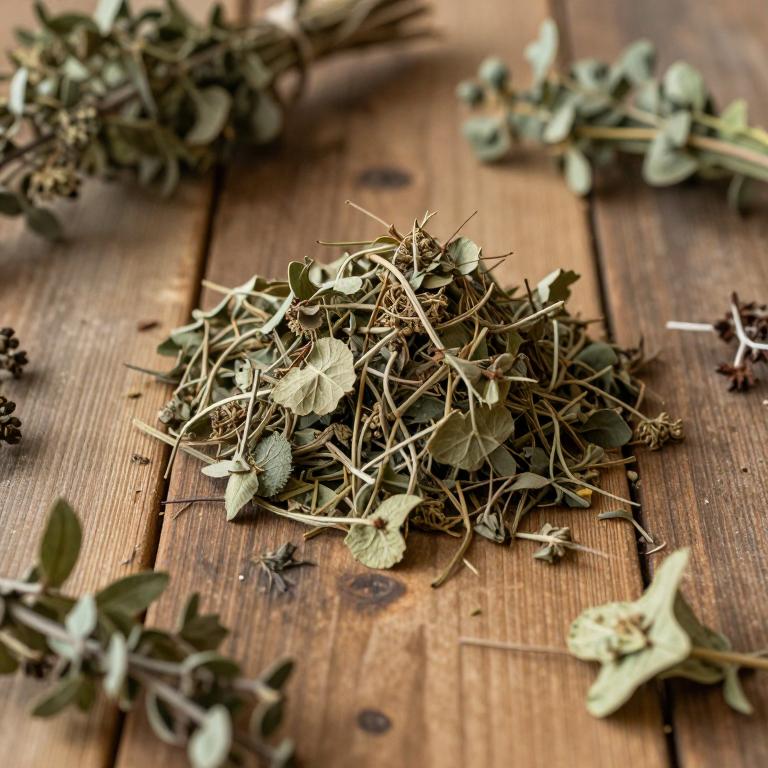
Names and Synonyms
Scientific Names
Accepted name
Augouardia letestuiSources: Wikidata
Taxonomical Classification
This plant belongs to the kingdom Plantae and is classified under the phylum Streptophyta and the class Equisetopsida. Within the subclass Magnoliidae, it is ordered under Fabales and placed in the family Fabaceae. Finally, it is specifically categorized under the genus Augouardia.
| Rank | Classification |
|---|---|
| Kingdom | Plantae |
| Phylum | Streptophyta |
| Class | Equisetopsida |
| Subclass | Magnoliidae |
| Order | Fabales |
| Family | Fabaceae |
| Genus | Augouardia |
Sources: The World Checklist of Vascular Plants (WCVP)
Distribution
This plant is primarily found within the lush environments of West-Central Tropical Africa. Its natural habitat specifically includes the dense forests located in the Republic of the Congo. Additionally, the species can be identified growing within the borders of Gabon. These two nations represent the core geographical range for this medicinal variety. Consequently, its distribution is quite localized to this specific tropical African region.
| Region | Area |
|---|---|
| West-Central Tropical Africa | Congo |
| West-Central Tropical Africa | Gabon |
Sources: The World Checklist of Vascular Plants (WCVP)
Botanical Identification
Morphology
The morphology of Augouardia leteustui is characterized by a robust growth form, specifically categorized as a tree. It exhibits a woody structure, providing the necessary physical strength for its stature. The plant is classified as an independent organism, meaning it does not function as a parasite, and it is primarily terrestrial in its habitat, lacking aquatic or epiphytic tendencies. Furthermore, the species is self-supporting in its structural development, as it does not function as a liana, vine, or any other form of climber.
- Aquatic :
- terrestrial
- Climber :
- self-supporting
- Epiphyte :
- terrestrial
- Growth form :
- tree
- Parasite :
- independent
- Woodiness :
- woody
Physiology
The physiology of Augouardia leteustui is characterized by its utilization of the C3 photosynthetic pathway, a mechanism where the initial fixation of carbon dioxide occurs through the enzyme RuBisCO to form a three-carbon compound. This metabolic strategy implies that the plant performs gas exchange and carbon assimilation during daylight hours, typical of many woody tropical species. As a C3 plant, its physiological efficiency is closely tied to environmental factors such as light intensity, temperature, and water availability, as the process is susceptible to photorespiration when stomatal conductance decreases under heat or drought stress. The metabolic processes within its leaf tissues are optimized to support the growth and structural development required for its life cycle within its specific ecological niche.
- Photosynthetic pathway :
- C3
Sources: Global Inventory of Floras and Traits (GIFT)
Plant Parts
Augouardia letestui has 1 reported plant parts identified across 1 scientific publications and several other databases that are studied for medicinal purposes. The most consistently reported plant part include leaf.
| Plant part | Supporting sources | Consensus |
|---|---|---|
| Leaf | 1 supporting sources | ★☆☆☆☆ |
Leaf
- Journal of ethnopharmacology
Activities
Augouardia letestui has 1 reported activities identified across 1 scientific publications and several other databases. The most consistently reported activities include Cytotoxic.
| Activity | Supporting sources | Consensus |
|---|---|---|
| Cytotoxic | 1 supporting sources | ★☆☆☆☆ |
Cytotoxic
- Journal of ethnopharmacology