Atractylis aristata
Atractylis aristata · Accepted scientific name
Scientific literature: Very Sparse (7 studies) · ★☆☆☆☆
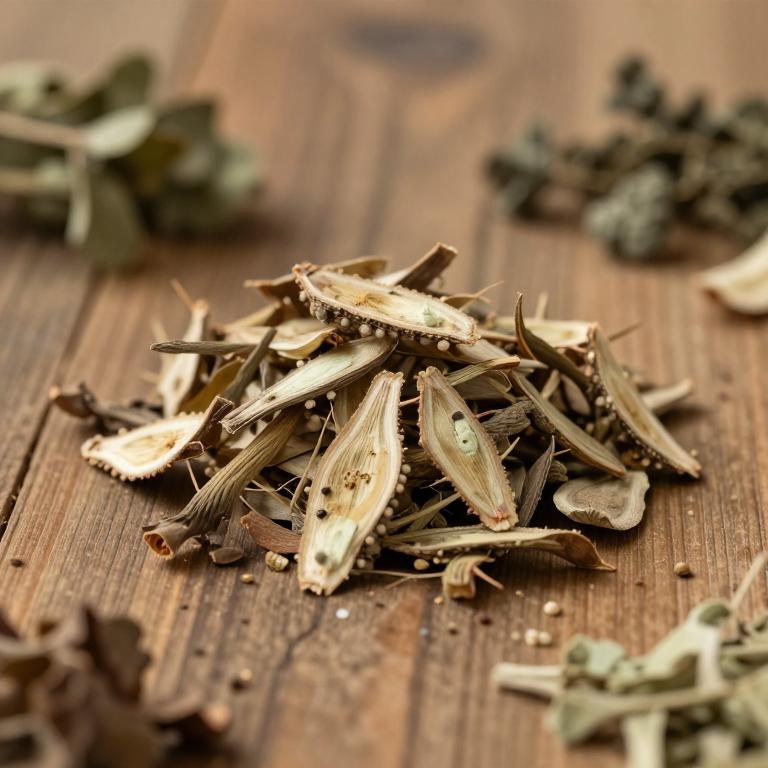
, scientifically known as Atractylis aristata, is a distinctive medicinal herb native to the Mediterranean region. Often referred to as "the plant of the prophets," it features striking, thistle-like flowers. Traditionally utilized in folk medicine, this plant is valued for its various bioactive compounds and potential therapeutic properties.
- Family
- Asteraceae
- Native range
- Africa
- Parts used
- Not available
- Common names
- Not available
- Scientific synonyms
- Not available
Names and Synonyms
Scientific Names
Accepted name
Atractylis aristataSources: Wikidata
Taxonomical Classification
This plant belongs to the kingdom Plantae and is classified within the phylum Streptophyta and class Equisetopsida. Further taxonomic placement includes the subclass Magnoliidae and the order Asterales, falling under the family Asteraceae. It is specifically identified by the genus Atractylis, with the species being Atractylis aristata.
| Rank | Classification |
|---|---|
| Kingdom | Plantae |
| Phylum | Streptophyta |
| Class | Equisetopsida |
| Subclass | Magnoliidae |
| Order | Asterales |
| Family | Asteraceae |
| Genus | Atractylis |
Sources: The World Checklist of Vascular Plants (WCVP)
Distribution
This plant exhibits a wide geographical range across several regions of the African continent. In Northern Africa, its presence is well-documented throughout Algeria and Egypt. It can also be found spanning the territories of Morocco and Western Sahara. Additionally, the species extends into West Tropical Africa, specifically within the borders of Mauritania. Together, these locations highlight the diverse environments where the species thrives.
| Region | Area |
|---|---|
| Northern Africa | Algeria |
| Northern Africa | Egypt |
| Northern Africa | Morocco |
| Northern Africa | Western Sahara |
| West Tropical Africa | Mauritania |
| Northeast Tropical Africa | Chad |
| Northeast Tropical Africa | Sudan-South Sudan |
| Western Asia | Sinai |
Sources: The World Checklist of Vascular Plants (WCVP)
Botanical Identification
Life history
The life history of Atractylis aristata is characterized by a perennial lifecycle, allowing the plant to persist through multiple growing seasons. Functioning as a hemicryptophyte, its perennating buds are located at or near the soil surface, protected by residual leaf bases or soil cover during unfavorable periods. This life form enables the plant to establish a robust presence within its ecological niche, transitioning through seasonal growth phases to ensure long-term survival and reproductive success.
- Life form :
- hemicryptophyte
- Lifecycle :
- annual
Morphology
The morphology of Atractylis aristata is characterized by its growth form as a herb, specifically functioning as a forb within its natural habitat. Structurally, the plant is classified as non-woody, lacking any significant lignified tissue in its primary stem development.
- Growth form :
- herb
- Woodiness :
- non-woody
Sources: Global Inventory of Floras and Traits (GIFT)
Chemicals
Atractylis aristata has 1 reported phytochemicals identified across 0 scientific publications and several other databases. The most consistently reported chemicals include Flavonoids.
| Chemical | Supporting sources | Consensus |
|---|---|---|
| Flavonoids | 1 supporting sources | ★☆☆☆☆ |
Flavonoids
- ChemistryOpen
Activities
Atractylis aristata has 3 reported activities identified across 0 scientific publications and several other databases. The most consistently reported activities include Antibacterial, Antioxidant, Sedative.
| Activity | Supporting sources | Consensus |
|---|---|---|
| Antibacterial | 1 supporting sources | ★☆☆☆☆ |
| Antioxidant | 1 supporting sources | ★☆☆☆☆ |
| Sedative | 1 supporting sources | ★☆☆☆☆ |
Antibacterial
- ChemistryOpen
Antioxidant
- ChemistryOpen
Sedative
- ChemistryOpen
Conditions
Atractylis aristata has 3 reported investigations on conditions identified across 0 scientific publications and several other databases. The most consistently reported conditions include anxiety, inflammation, oxidative stress.
| Condition | Supporting sources | Consensus |
|---|---|---|
| Anxiety | 1 supporting sources | ★☆☆☆☆ |
| Inflammation | 1 supporting sources | ★☆☆☆☆ |
| Oxidative stress | 1 supporting sources | ★☆☆☆☆ |
Anxiety
- ChemistryOpen
Inflammation
- ChemistryOpen
Oxidative stress
- ChemistryOpen
Preparations
Atractylis aristata has 2 reported preparations identified across 0 scientific publications and several other databases. The most consistently reported preparations include aqueous extract, n-butanol extract.
| Preparation | Supporting sources | Consensus |
|---|---|---|
| Aqueous extract | 1 supporting sources | ★☆☆☆☆ |
| N-butanol extract | 1 supporting sources | ★☆☆☆☆ |
Aqueous extract
- ChemistryOpen
N-butanol extract
- Carbohydrate research