alpine lady-fern
Athyrium distentifolium · Accepted scientific name
Scientific literature: Very Sparse (7 studies) · ★☆☆☆☆
Alpine lady-fern, scientifically known as Athyrium distentifolium, is a resilient perennial found in high-altitude habitats. Valued in traditional herbalism, this fern is prized for its unique phytochemical properties. Its delicate fronds offer more than aesthetic beauty, serving as a significant botanical resource in diverse medicinal practices worldwide.
- Family
- Aspleniaceae
- Native range
- Europe
- Parts used
- Not available
- Common names
- Not available
- Scientific synonyms
- Aspidium Alpestre · Athyrium Cordatum · 12 more
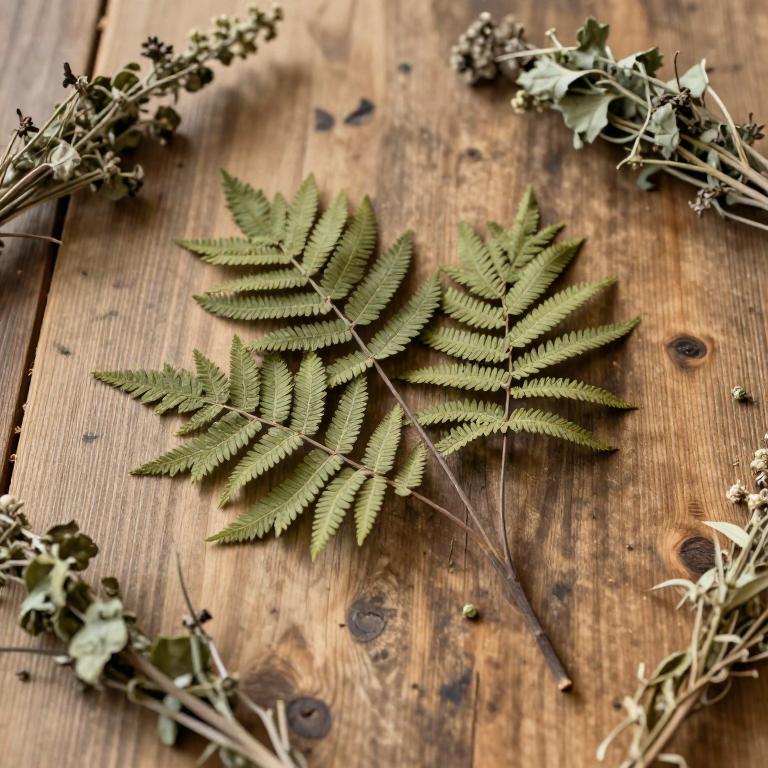
Names and Synonyms
Scientific Names
Accepted name
Athyrium distentifoliumSynonyms
- Aspidium alpestre
- Athyrium cordatum
- Athyrium flexile
- Phegopteris flexilis
- Asplenium rhaeticum
- Athyrium alpestre subsp. flexile
- Athyrium distentifolium var. flexile
- Athyrium alpestre var. flexile
- Pseudathyrium alpestre var. flexile
- Athyrium filix-femina subsp. alpestre
- Pseudathyrium alpestre
- Pseudathyrium flexile
- Phegopteris alpestris
- Polypodium rhaeticum
Regional and Traditional Names
German:
- Gebirgs-Frauenfarn
French:
- Athyrium des Alpes
Sources: Wikidata
Taxonomical Classification
This plant belongs to the kingdom Plantae and the phylum Streptophyta, specifically categorized within the class Equisetopsida and subclass Polypodiinae. It is further classified under the order Polypodiales and the family Aspleniaceae. Finally, its taxonomic identity is established within the genus Athyrium.
| Rank | Classification |
|---|---|
| Kingdom | Plantae |
| Phylum | Streptophyta |
| Class | Equisetopsida |
| Subclass | Polypodiinae |
| Order | Polypodiales |
| Family | Aspleniaceae |
| Genus | Athyrium |
Sources: The World Checklist of Vascular Plants (WCVP)
Distribution
This plant exhibits a specific geographical distribution across several regions in Northern Europe. It can be found growing in the natural landscapes of Finland and Sweden. Additionally, its presence extends to the territories of Norway and Iceland. The species is also documented to inhabit various areas within Great Britain. Together, these locations define the northern reaches of its known range.
| Region | Area |
|---|---|
| Northern Europe | Finland |
| Northern Europe | Great Britain |
| Northern Europe | Iceland |
| Northern Europe | Norway |
| Northern Europe | Sweden |
| Middle Europe | Austria |
| Middle Europe | Czechia-Slovakia |
| Middle Europe | Germany |
| Middle Europe | Poland |
| Middle Europe | Switzerland |
Sources: The World Checklist of Vascular Plants (WCVP)
Botanical Identification
Life history
The life history of Athyrium distentiifolium is characterized by a perennial lifecycle, allowing the plant to persist through multiple growing seasons. It functions as a hemicryptophyte, a life form where the perennating buds are located at the soil surface, protected by leaf litter or organic matter during unfavorable conditions. As a deciduous species, it sheds its foliage annually, retreating into its dormant state before regenerating new growth in the subsequent season.
- Deciduousness :
- deciduous
- Life form :
- hemicryptophyte
- Lifecycle :
- perennial
Morphology
The morphology of Athyrium distentiifolium is characterized by its growth form as a non-woody herb. As a self-supporting plant, it does not exhibit climbing tendencies and maintains a structure consistent with herbaceous vegetation. The plant reaches varying heights depending on environmental conditions, with a minimum height of 0.4 m and a maximum height of 1.5 m, resulting in an average plant height of approximately 0.53 m.
- Climber :
- self-supporting
- Growth form :
- herb
- Plant height max:
- 1.5 m
- Plant height mean:
- 0.53 m
- Plant height min:
- 0.4 m
- Woodiness :
- non-woody
Physiology
The physiology of Athyrium distentiifolium is characterized by a C3 photosynthetic pathway, a metabolic strategy common among ferns that optimizes carbon fixation in shaded or temperate environments. The plant exhibits significant morphological investment in its foliage, with a mean leaf size of approximately 79.51335 cm². This leaf surface area is further reflected in its Specific Leaf Area (SLA), which maintains a mean value of 291.6 cm²/g, indicating a relatively thin and expansive leaf structure that facilitates efficient light interception and gas exchange within its ecological niche.
- Leaf size mean:
- 79.51335 cm²
- Photosynthetic pathway :
- C3
- Specific Leaf Area (SLA) mean:
- 291.6 cm²/g
Reproduction
The reproduction of Athyrium distentiifolium is characterized by a specific seasonal flowering period that typically begins in July and concludes in September. During this timeframe, the plant undergoes its reproductive phase, facilitating the development of spores or reproductive structures. The dispersal of these reproductive units follows an anemochorous syndrome, meaning the plant relies on wind as the primary mechanism for anemochory, ensuring that the offspring are spread across the environment through air currents.
- Dispersal syndrome :
- anemochorous
- Flowering time :
- Jul
- Flowering time :
- Sep
Sources: Global Inventory of Floras and Traits (GIFT)
Chemicals
Athyrium distentifolium has 7 reported phytochemicals identified across 0 scientific publications and several other databases. The most consistently reported chemicals include 3-Hydroxybenzoic acid, Coumaric Acid, caffeic acid, kaempferol, luteolin.
| Chemical | Supporting sources | Consensus |
|---|---|---|
| 3-Hydroxybenzoic acid | 1 supporting sources | ★☆☆☆☆ |
| Coumaric Acid | 1 supporting sources | ★☆☆☆☆ |
| caffeic acid | 1 supporting sources | ★☆☆☆☆ |
| kaempferol | 1 supporting sources | ★☆☆☆☆ |
| luteolin | 1 supporting sources | ★☆☆☆☆ |
| protocatechuic acid | 1 supporting sources | ★☆☆☆☆ |
| quercetin | 1 supporting sources | ★☆☆☆☆ |
3-Hydroxybenzoic acid
- Veterinary research
Coumaric Acid
- Veterinary research
caffeic acid
- Veterinary research
kaempferol
- Veterinary research
luteolin
- Veterinary research
protocatechuic acid
- Veterinary research
quercetin
- Veterinary research