Asystasia buettneri
Asystasia buettneri · Accepted scientific name
Scientific literature: Very Sparse (8 studies) · ★☆☆☆☆
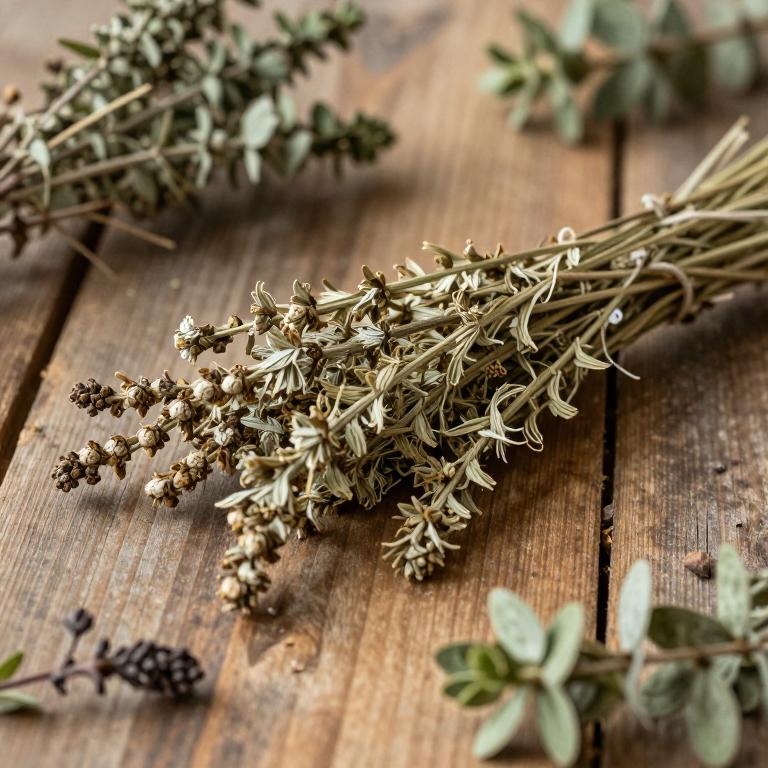
Asystasia buettneri, scientifically known as Asystasia buettneri, is a resilient perennial herb valued in traditional medicine. Often found in tropical regions, it is prized for its diverse therapeutic properties, including anti-inflammatory and wound-healing capabilities. This versatile plant serves as a significant botanical resource for holistic healing practices worldwide.
- Family
- Acanthaceae
- Native range
- Africa
- Parts used
- Not available
- Common names
- Not available
- Scientific synonyms
- Asystasia Dryadum
Names and Synonyms
Scientific Names
Accepted name
Asystasia buettneriSynonyms
- Asystasia dryadum
Sources: Wikidata
Taxonomical Classification
This plant, known scientifically as Asystasia buettneri, belongs to the kingdom Plantae and the phylum Streptophyta. Within the class Equisetopsida and subclass Magnoliidae, it is categorized under the order Lamiales and the family Acanthaceae. Ultimately, its taxonomic placement is defined by its classification within the genus Asystasia.
| Rank | Classification |
|---|---|
| Kingdom | Plantae |
| Phylum | Streptophyta |
| Class | Equisetopsida |
| Subclass | Magnoliidae |
| Order | Lamiales |
| Family | Acanthaceae |
| Genus | Asystasia |
Sources: The World Checklist of Vascular Plants (WCVP)
Distribution
This plant, known as Asystasia buettneri, exhibits a specific geographical distribution across the West Tropical Africa region. Its presence is documented within the borders of Benin, where it thrives in local ecosystems. Additionally, the species can be found growing throughout the diverse landscapes of Ghana. The plant also extends its reach into Guinea, contributing to the regional biodiversity of the area. Finally, its distribution includes the tropical environments of Ivory Coast and Liberia.
| Region | Area |
|---|---|
| West Tropical Africa | Benin |
| West Tropical Africa | Ghana |
| West Tropical Africa | Guinea |
| West Tropical Africa | Ivory Coast |
| West Tropical Africa | Liberia |
| West Tropical Africa | Nigeria |
| West Tropical Africa | Sierra Leone |
| West Tropical Africa | Togo |
| West-Central Tropical Africa | Cameroon |
Sources: The World Checklist of Vascular Plants (WCVP)
Botanical Identification
Life history
The life history of Asystasia buettneri is characterized by its distinct growth strategies and survival mechanisms across different environmental conditions. Primarily, the species functions as a phanerophyte, maintaining its persistent shoots above the ground to facilitate rapid expansion and resource acquisition. However, its structural adaptability is further reflected in its classification as a nanophanerophyte, indicating a specialized growth habit where the permanent woody or persistent parts of the plant are kept relatively low to the ground. This dual life form strategy allows the plant to navigate various ecological niches, utilizing its upright stature for light competition while maintaining the compact, resilient qualities typical of low-growing perennials. Through these life history traits, the plant effectively manages its seasonal cycles and reproductive efforts within its natural habitat.
- Life form :
- nanophanerophyte
- Life form :
- phanerophyte
Morphology
The morphology of Asystasia buettnerii is characterized by its growth as a non-woody herb, exhibiting a predominantly terrestrial lifestyle. This plant typically reaches a height ranging from approximately 0.30 m to 0.61 m. In terms of its structural habit, it is classified as a self-supporting herb, lacking the climbing mechanisms found in obligatory or facultative climbers. Its physical composition is entirely non-woody, contributing to its soft, herbaceous growth form.
- Climber :
- self-supporting
- Epiphyte :
- terrestrial
- Growth form :
- herb
- Plant height max:
- 0.609607413 m
- Plant height min:
- 0.304803706 m
- Woodiness :
- non-woody
Sources: Global Inventory of Floras and Traits (GIFT)
Chemicals
Asystasia buettneri has 8 reported phytochemicals identified across 0 scientific publications and several other databases. The most consistently reported chemicals include (Z)-5-Hexadecenoic acid, (Z)-9-Octadecenoic acid, Fatty acids, HEXADECANE, OCTADECENE.
| Chemical | Supporting sources | Consensus |
|---|---|---|
| (Z)-5-Hexadecenoic acid | 1 supporting sources | ★☆☆☆☆ |
| (Z)-9-Octadecenoic acid | 1 supporting sources | ★☆☆☆☆ |
| Fatty acids | 1 supporting sources | ★☆☆☆☆ |
| HEXADECANE | 1 supporting sources | ★☆☆☆☆ |
| OCTADECENE | 1 supporting sources | ★☆☆☆☆ |
| STIGMASTEROL | 1 supporting sources | ★☆☆☆☆ |
| Taraxasterol | 1 supporting sources | ★☆☆☆☆ |
| Taraxerol | 1 supporting sources | ★☆☆☆☆ |
(Z)-5-Hexadecenoic acid
- Natural product research
(Z)-9-Octadecenoic acid
- Natural product research
Fatty acids
- Natural product research
HEXADECANE
- Natural product research
OCTADECENE
- Natural product research
STIGMASTEROL
- Natural product research
Taraxasterol
- Natural product research
Taraxerol
- Natural product research