Astragalus sibthorpianus
Astragalus sibthorpianus · Accepted scientific name
Scientific literature: Very Sparse (0 studies) · ★☆☆☆☆
Astragalus sibthorpianus is a specialized botanical species known for its unique chemical composition. This plant is particularly notable for its presence of bioactive compounds such as catechins. Researchers often study these specific phytochemicals to understand their potential therapeutic properties. In certain traditional or scientific contexts, the plant is utilized through the preparation known as ASE. Understanding the relationship between its chemical makeup and these preparations is essential for further study.
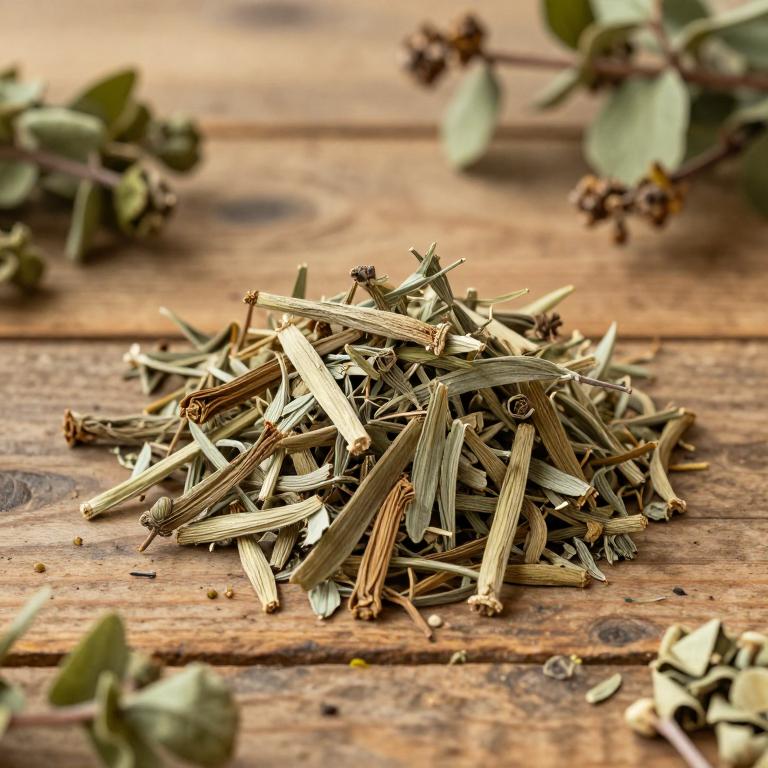
- Synonyms
- Tragacantha Poecilantha · Tragacantha Sibthorpiana · 5 more
- Common names
- Not available
- Family
- Fabaceae
- Distribution
- Southern America
- Plant Parts
- Not available
Classification
Synonyms
Astragalus sibthorpianus is a botanical species that is frequently identified by several different taxonomic names in scientific literature. Because of varying classifications over time, it is recognized by various synonyms including Astragalus decipiens and Astragalus mutabilis. Researchers may also encounter this plant listed under the names Astragalus paecilanthus or Astragalus poecilanthus. Furthermore, the nomenclature includes the designation Astragalus wallianus to account for different historical descriptions. Understanding these multiple synonyms is essential for accurately tracking the plant's identity across different botanical studies.
Sources: The World Checklist of Vascular Plants (WCVP)
Taxonomy
Astragalus sibthorpianus is a fascinating botanical specimen that belongs to the vast kingdom Plantae. Within this kingdom, the plant is classified under the class Equisetopsida. It further descends through the order Fabales, which helps researchers understand its evolutionary lineage. This specific species is a proud member of the family Fabaceae, a group known for its diverse characteristics. Ultimately, its identity is defined by its placement within the distinguished genus Astragalus.
| Rank | Classification |
|---|---|
| Kingdom | Plantae |
| Phylum | Streptophyta |
| Class | Equisetopsida |
| Subclass | Magnoliidae |
| Order | Fabales |
| Family | Fabaceae |
| Genus | Astragalus |
Sources: The World Checklist of Vascular Plants (WCVP)
Distribution
Geographic Regions
Astragalus sibthorpianus is a distinctive plant species primarily found within the Asia-Temperate ecological zone. Its geographic range is largely concentrated throughout Western Asia, where it adapts to specific regional climates. A significant portion of its natural habitat can be identified within the borders of Türkiye. This distribution pattern highlights the plant's reliance on the unique environmental conditions found in these particular territories. Understanding its localization is essential for researchers studying the biodiversity of the Western Asian landscape.
Sources: The World Checklist of Vascular Plants (WCVP)
Identification
Biological Activities
Compounds
Astragalus sibthorpianus stands out among the diverse flora of northwestern Anatolia for its significant medicinal potential. Recent studies evaluating its anti-growth properties have identified catechins as one of the major phenolic compounds present within its extracts. These chemical constituents contribute to the plant's ability to induce apoptotic cell death in various breast cell lines. Remarkably, the species displays a selective cytotoxicity that targets malignant cells while supporting DNA damage repair in non-malignant cells. Such unique biological activities highlight the importance of protecting this endemic species for future pharmacological development.
Conditions
Astragalus sibthorpianus demonstrates significant biological activity across several different breast cell lines. The extract induces apoptotic cell death in the malignant MCF-7 and MDA-MB-231 cell lines. Furthermore, it also interacts with the non-malignant MCF-10A cell line. While it affects all three types, the plant displays selective cytotoxicity specifically against the cancer cells. This selectivity is supported by the ability of non-malignant cells to perform DNA damage repair.
Preparations
Astragalus sibthorpianus is prepared as ASE for use in evaluating its biological properties. This specific extract was tested against various breast cell lines to determine its anticancer potential. During the study, ASE was found to induce apoptotic cell death in both malignant and non-malignant cells. The selective cytotoxicity of the ASE preparation is attributed to its ability to facilitate DNA damage repair in non-malignant cells. Additionally, the research identified catechins as the major phenolic compounds present within the ASE extract.