Astragalus gymnolobus
Astragalus gymnolobus · Accepted scientific name
Scientific literature: Very Sparse (34 studies) · ★☆☆☆☆
Astragalus gymnolobus, scientifically known as Astragalus gymnolobus, is a specialized medicinal plant found in specific ecological niches. Renowned for its unique botanical properties, it holds significant potential in traditional pharmacology. Researchers study this species to uncover its bioactive compounds, aiming to develop novel therapeutic applications for human health.
- Family
- Fabaceae
- Native range
- Asia-Temperate
- Parts used
- Flower · Leaf
- Common names
- Not available
- Scientific synonyms
- Tragacantha Scrobiculata · Tragacantha Gymnoloba · 2 more
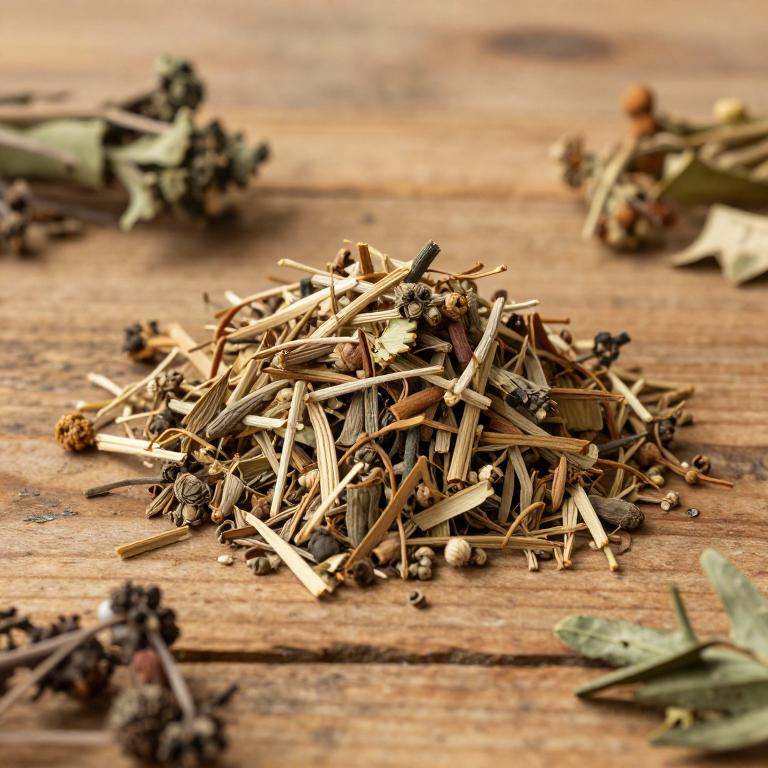
Names and Synonyms
Scientific Names
Accepted name
Astragalus gymnolobusSynonyms
- Tragacantha scrobiculata
- Tragacantha gymnoloba
- Astragalus subspinosus
- Astragalus scrobiculatus
Sources: Wikidata
Taxonomical Classification
This plant belongs to the kingdom Plantae and the phylum Streptophyta, falling under the class Equisetopsida and subclass Magnoliidae. Within the order Fabales, it is classified under the family Fabaceae and the genus Astragalus. Specifically, its taxonomic identity is defined as Astragalus gymnolobus.
| Rank | Classification |
|---|---|
| Kingdom | Plantae |
| Phylum | Streptophyta |
| Class | Equisetopsida |
| Subclass | Magnoliidae |
| Order | Fabales |
| Family | Fabaceae |
| Genus | Astragalus |
Sources: The World Checklist of Vascular Plants (WCVP)
Distribution
This plant, known scientifically as Astragalus gymnolobus, possesses a very specific and limited geographical range. Its natural habitat is concentrated within the unique landscapes of Western Asia. Specifically, the species is endemic to the country of Türkiye. Within this region, it occupies particular ecological niches that support its specialized growth requirements. Consequently, its distribution remains restricted to this single national territory.
| Region | Area |
|---|---|
| Western Asia | Türkiye |
Sources: The World Checklist of Vascular Plants (WCVP)
Plant Parts
Astragalus gymnolobus has 4 reported plant parts identified across 4 scientific publications and several other databases that are studied for medicinal purposes. The most consistently reported plant part include flower, leaf, root, stem.
| Plant part | Supporting sources | Consensus |
|---|---|---|
| Flower | 1 supporting sources | ★☆☆☆☆ |
| Leaf | 1 supporting sources | ★☆☆☆☆ |
| Root | 1 supporting sources | ★☆☆☆☆ |
| Stem | 1 supporting sources | ★☆☆☆☆ |
Flower
- Plants (Basel, Switzerland)
Leaf
- Plants (Basel, Switzerland)
Root
- Plants (Basel, Switzerland)
Stem
- Plants (Basel, Switzerland)
Chemicals
Astragalus gymnolobus has 5 reported phytochemicals identified across 4 scientific publications and several other databases. The most consistently reported chemicals include Hyperoside, hesperidin, p-Hydroxybenzoic acid, p-coumaric acid, protocatechuic acid.
| Chemical | Supporting sources | Consensus |
|---|---|---|
| Hyperoside | 1 supporting sources | ★☆☆☆☆ |
| hesperidin | 1 supporting sources | ★☆☆☆☆ |
| p-Hydroxybenzoic acid | 1 supporting sources | ★☆☆☆☆ |
| p-coumaric acid | 1 supporting sources | ★☆☆☆☆ |
| protocatechuic acid | 1 supporting sources | ★☆☆☆☆ |
Hyperoside
- Plants (Basel, Switzerland)
hesperidin
- Plants (Basel, Switzerland)
p-Hydroxybenzoic acid
- Plants (Basel, Switzerland)
p-coumaric acid
- Plants (Basel, Switzerland)
protocatechuic acid
- Plants (Basel, Switzerland)
Activities
Astragalus gymnolobus has 3 reported activities identified across 4 scientific publications and several other databases. The most consistently reported activities include Antimicrobial, Antioxidant, Cytotoxic.
| Activity | Supporting sources | Consensus |
|---|---|---|
| Antimicrobial | 1 supporting sources | ★☆☆☆☆ |
| Antioxidant | 1 supporting sources | ★☆☆☆☆ |
| Cytotoxic | 1 supporting sources | ★☆☆☆☆ |
Antimicrobial
- Plants (Basel, Switzerland)
Antioxidant
- Plants (Basel, Switzerland)
Cytotoxic
- Plants (Basel, Switzerland)
Conditions
Astragalus gymnolobus has 1 reported investigations on conditions identified across 4 scientific publications and several other databases. The most consistently reported conditions include cancer.
| Condition | Supporting sources | Consensus |
|---|---|---|
| Cancer | 1 supporting sources | ★☆☆☆☆ |
Cancer
- Plants (Basel, Switzerland)
Preparations
Astragalus gymnolobus has 3 reported preparations identified across 4 scientific publications and several other databases. The most consistently reported preparations include Methanolic Extracts, leaf methanol (Lm) extract, methanolic fractions.
| Preparation | Supporting sources | Consensus |
|---|---|---|
| Methanolic extracts | 1 supporting sources | ★☆☆☆☆ |
| Leaf methanol (lm) extract | 1 supporting sources | ★☆☆☆☆ |
| Methanolic fractions | 1 supporting sources | ★☆☆☆☆ |
Methanolic extracts
- Plants (Basel, Switzerland)
Leaf methanol (lm) extract
- Plants (Basel, Switzerland)
Methanolic fractions
- Plants (Basel, Switzerland)