Astragalus globosus
Astragalus globosus · Accepted scientific name
Scientific literature: Very Sparse (6 studies) · ★☆☆☆☆
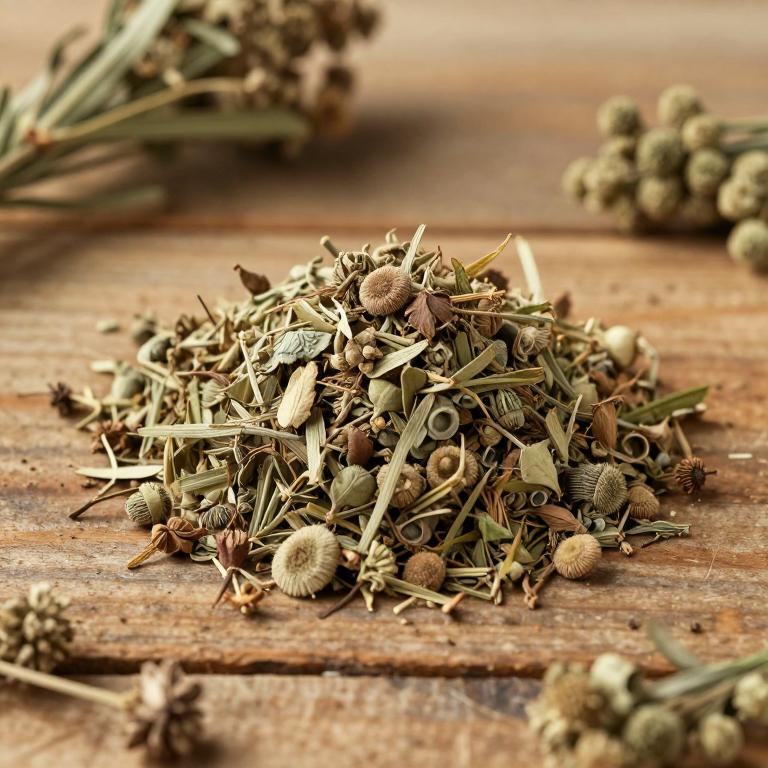
Astragalus globosus, scientifically known as Astragalus globosus, is a resilient perennial herb valued in traditional herbalism. Characterized by its distinctive globular flower heads, this plant thrives in specific ecological niches. It is primarily studied for its potential bioactive compounds, offering intriguing possibilities for supporting immune function and holistic wellness.
- Family
- Fabaceae
- Native range
- Asia-Temperate
- Parts used
- Not available
- Common names
- Not available
- Scientific synonyms
- Astragalus Cylindraceus Subsp. Melinus · Tragacantha Globosa · 3 more
Names and Synonyms
Scientific Names
Accepted name
Astragalus globosusSynonyms
- Astragalus cylindraceus subsp. melinus
- Tragacantha globosa
- Tragacantha melina
- Tragacantha cylindracea
- Astragalus melinus
Sources: Wikidata
Taxonomical Classification
This plant belongs to the kingdom Plantae and the phylum Streptophyta, falling under the class Equisetopsida and subclass Magnoliidae. Within the order Fabales, it is classified under the family Fabaceae. Finally, it is identified by the genus Astragalus, with its specific species name being globosus.
| Rank | Classification |
|---|---|
| Kingdom | Plantae |
| Phylum | Streptophyta |
| Class | Equisetopsida |
| Subclass | Magnoliidae |
| Order | Fabales |
| Family | Fabaceae |
| Genus | Astragalus |
Sources: The World Checklist of Vascular Plants (WCVP)
Distribution
This plant, known scientifically as Astragalus globosus, exhibits a specific and localized geographical distribution. Its presence is primarily documented within the region of Western Asia. Specifically, this medicinal species can be found growing in the natural landscapes of Türkiye. Due to this limited range, it is considered a characteristic component of the local flora in that territory. Understanding such precise habitats is essential for the conservation and study of this particular botanical species.
| Region | Area |
|---|---|
| Western Asia | Türkiye |
Sources: The World Checklist of Vascular Plants (WCVP)
Chemicals
Astragalus globosus has 3 reported phytochemicals identified across 0 scientific publications and several other databases. The most consistently reported chemicals include Diosmetin 7-O-rutinoside, Isorhamnetin-3-O-rutinoside, quercetin 3-O-galactoside.
| Chemical | Supporting sources | Consensus |
|---|---|---|
| Diosmetin 7-O-rutinoside | 1 supporting sources | ★☆☆☆☆ |
| Isorhamnetin-3-O-rutinoside | 1 supporting sources | ★☆☆☆☆ |
| quercetin 3-O-galactoside | 1 supporting sources | ★☆☆☆☆ |
Diosmetin 7-O-rutinoside
- Saudi pharmaceutical journal : SPJ : the official publication of the Saudi Pharmaceutical Society
Isorhamnetin-3-O-rutinoside
- Saudi pharmaceutical journal : SPJ : the official publication of the Saudi Pharmaceutical Society
quercetin 3-O-galactoside
- Saudi pharmaceutical journal : SPJ : the official publication of the Saudi Pharmaceutical Society
Activities
Astragalus globosus has 2 reported activities identified across 0 scientific publications and several other databases. The most consistently reported activities include Apoptotic, Cytotoxic.
| Activity | Supporting sources | Consensus |
|---|---|---|
| Apoptotic | 1 supporting sources | ★☆☆☆☆ |
| Cytotoxic | 1 supporting sources | ★☆☆☆☆ |
Apoptotic
- Saudi pharmaceutical journal : SPJ : the official publication of the Saudi Pharmaceutical Society
Cytotoxic
- Saudi pharmaceutical journal : SPJ : the official publication of the Saudi Pharmaceutical Society
Conditions
Astragalus globosus has 1 reported investigations on conditions identified across 0 scientific publications and several other databases. The most consistently reported conditions include MDA-MB-231 cell line.
| Condition | Supporting sources | Consensus |
|---|---|---|
| Mda-mb-231 cell line | 1 supporting sources | ★☆☆☆☆ |
Mda-mb-231 cell line
- Saudi pharmaceutical journal : SPJ : the official publication of the Saudi Pharmaceutical Society