Astilbe
Astilbe · Accepted scientific name
Scientific literature: Very Sparse (0 studies) · ★☆☆☆☆
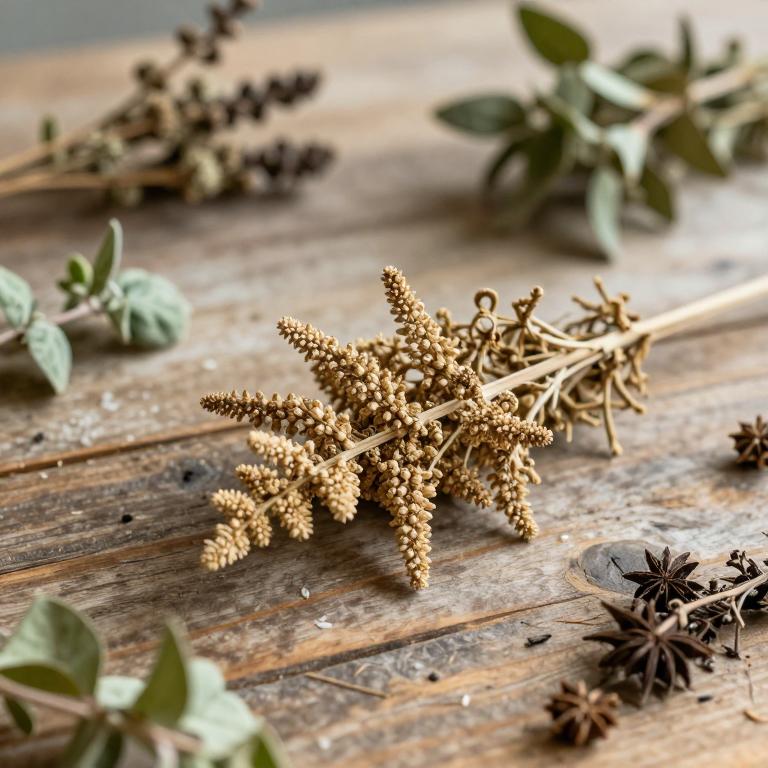
Astilbe is a charming perennial prized by gardeners for its elegant, plume-like flower spikes and lush foliage. These versatile plants thrive in shady, moist environments, making them a staple for woodland garden designs. Beyond their aesthetic appeal, scientific research has begun to explore the complex chemical profiles found within their tissues. One notable compound identified in the plant is 4-o-Galloylbergenin, which contributes to its unique biochemical makeup. Understanding these components offers fascinating insights into the intersection of botany and organic chemistry.
- Synonyms
- Hoteia
- Common names
- Not available
- Family
- Saxifragaceae
- Distribution
- Not available
- Plant Parts
- Not available
Classification
Common Names
Astilbe is a versatile garden perennial known by several different names depending on the region and language. While most gardeners simply refer to it as Astilbe or the plural Astilbes, it is also frequently called False Goat's Beard. In certain contexts, you may encounter the term Astilbesläktet used to describe this botanical group. Additionally, those familiar with Dutch horticulture might recognize the plant as Prachtspieren. Regardless of which common name is used, this striking plant remains a beloved staple for adding texture to any landscape.
Sources: Catalogue of Life (COL)
Synonyms
Astilbe is a popular garden perennial known for its striking, plume-like flowers and lush foliage. While most gardeners recognize it by its common name, this plant is also scientifically classified under the synonym Hoteia. Understanding these botanical connections helps enthusiasts navigate various plant catalogs and scientific databases more effectively. Whether you refer to it by its primary name or its alternative designation, the plant remains a favorite for adding texture to shady landscapes. Recognizing these taxonomic relationships ensures that you can identify this beautiful flowering species with total confidence.
Sources: The World Checklist of Vascular Plants (WCVP)
Taxonomy
Astilbe is a beautiful plant that belongs to the kingdom Plantae. Within this vast botanical realm, it is classified under the class Equisetopsida. Its evolutionary lineage continues through the order Saxifragales, leading directly to the family Saxifragaceae. This specific plant is further distinguished by its unique genus, which is also named Astilbe. Understanding these taxonomic layers helps gardeners appreciate the complex biological identity of this flowering perennial.
| Rank | Classification |
|---|---|
| Kingdom | Plantae |
| Phylum | Streptophyta |
| Class | Equisetopsida |
| Subclass | Magnoliidae |
| Order | Saxifragales |
| Family | Saxifragaceae |
| Genus | Astilbe |
Sources: The World Checklist of Vascular Plants (WCVP)
Distribution
Geographic Regions
Astilbe is a resilient plant with a broad distribution spanning several regions across Asia-Temperate. Its presence is particularly widespread throughout China, where it can be found in the North-Central, South-Central, and Southeast territories. Beyond these central regions, the species also flourishes in the northern stretches of Inner Mongolia. The plant's range extends further into the Manchuria region, showcasing its ability to adapt to diverse climates. This vast geographic spread highlights the plant's significant ecological footprint across the Asian continent.
Sources: The World Checklist of Vascular Plants (WCVP)
Identification
Biological Activities
Compounds
Astilbe chinensis has been the subject of detailed chemical analysis to identify the specific constituents found within its rhizome. Through the use of column chromatographies and advanced spectral analysis, researchers successfully isolated several key compounds. Among these findings, the identification of 4-O-galloylbergenin represents a significant scientific milestone. This particular compound was isolated from the Astilbe plant for the very first time during this study. Such discoveries provide deeper insight into the complex chemical profile of this botanical species.