Asteriscus imbricatus
Asteriscus imbricatus · Accepted scientific name
Scientific literature: Very Sparse (0 studies) · ★☆☆☆☆
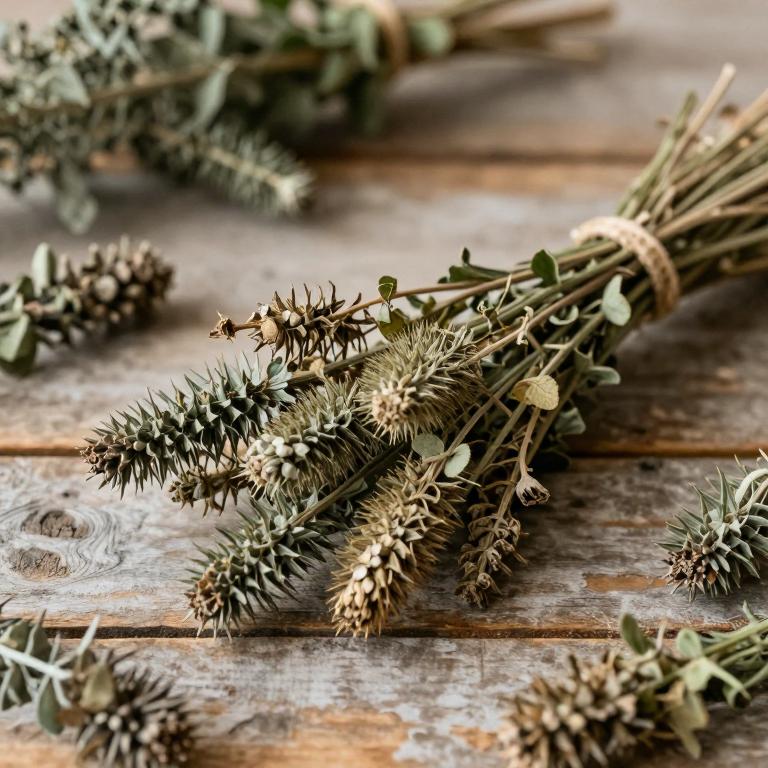
Asteriscus imbricatus is a distinctive plant species known for its unique botanical characteristics and ecological significance. Often found in specific regional habitats, this plant plays an important role in its local ecosystem. Beyond its natural growth, it has gained attention for its potential applications in various industries. One of its most notable uses involves the extraction of specialized preparations, particularly essential oils. These aromatic oils serve as valuable components in fragrance formulation and therapeutic practices.
- Synonyms
- Dontospermum Imbricatum · Nauplius Imbricatus · 4 more
- Common names
- Not available
- Family
- Asteraceae
- Distribution
- Not available
- Plant Parts
- Not available
Classification
Synonyms
Asteriscus imbricatus is a botanical subject that has been classified under several different scientific names throughout history. Due to various taxonomic revisions, this species is recognized by numerous synonyms, including Bubonium imbricatum and Buphthalmum chrysanthemoides. It has also been documented in botanical literature as Buphthalmum elegans and Buphthalmum imbricatum. Additionally, the plant is associated with the name Dontospermum imbricatum in certain records. Understanding these shifting relationships is essential for accurate identification and scientific consistency.
Sources: The World Checklist of Vascular Plants (WCVP)
Taxonomy
Asteriscus imbricatus belongs to the vast kingdom Plantae, serving as a distinct representative of the natural world. Within this biological framework, the species is classified under the class Equisetopsida. It further belongs to the order Asterales, showcasing its evolutionary connections to other similar flowering plants. The plant is a proud member of the family Asteraceae, a group known for its diverse and resilient species. Ultimately, it is identified by its specific genus, Asteriscus, which defines its unique botanical identity.
| Rank | Classification |
|---|---|
| Kingdom | Plantae |
| Phylum | Streptophyta |
| Class | Equisetopsida |
| Subclass | Magnoliidae |
| Order | Asterales |
| Family | Asteraceae |
| Genus | Asteriscus |
Sources: The World Checklist of Vascular Plants (WCVP)
Distribution
Geographic Regions
Asteriscus imbricatus is a distinctive plant species primarily found throughout the diverse landscapes of Africa. Its presence is particularly notable across the vast expanses of Northern Africa, where it has adapted to the local environment. Within this broad region, Morocco serves as a key area for its natural distribution. Understanding its geographic range provides essential insight into the ecological niches this species occupies. This specific placement highlights the importance of studying its habitat within these unique African territories.
Sources: The World Checklist of Vascular Plants (WCVP)
Identification
Biological Activities
Compounds
Conditions
Asteriscus imbricatus is not mentioned in the provided abstracts, which instead focus on the antibacterial properties of Cladanthus arabicus and Bubonium imbricatum. The research demonstrates that the essential oils from Bubonium imbricatum effectively treat various Enterobacteriaceae isolates. Furthermore, these studies confirm that the plant possesses the capacity to treat multidrug-resistant Enterobacteriaceae strains. This effectiveness is enhanced when the plant's derivatives are used in combination with conventional antibiotics. Consequently, these botanical sources serve as promising candidates for overcoming antibiotic resistance in specific bacterial groups.
Preparations
Asteriscus imbricatus is prepared as essential oils to investigate its potential therapeutic applications. These extracted oils serve as a significant subject of study regarding their natural bioactive properties. The preparation of these oils allows for the assessment of their specific antibacterial efficacy against various microorganisms. By utilizing these essential oils, researchers can explore synergistic interactions with conventional antibiotics. Consequently, the processing of this plant into essential oils remains a key method for developing new antimicrobial substances.