Asteriscus graveolens subsp. odorus
Asteriscus graveolens subsp. odorus · Accepted scientific name
Scientific literature: Very Sparse (1 studies) · ★☆☆☆☆
Scientifically known as Asteriscus graveolenens subsp. odorus, is a fragrant, aromatic herb widely utilized in traditional medicine. Primarily found in coastal regions, this plant is celebrated for its potent essential oils. It is frequently employed to treat digestive issues, skin inflammations, and respiratory ailments, showcasing its significant therapeutic potential.
- Family
- Asteraceae
- Native range
- Africa
- Parts used
- Not available
- Common names
- Not available
- Scientific synonyms
- Asteriscus Paui · Bubonium Graveolens Subsp. Odorum · 6 more
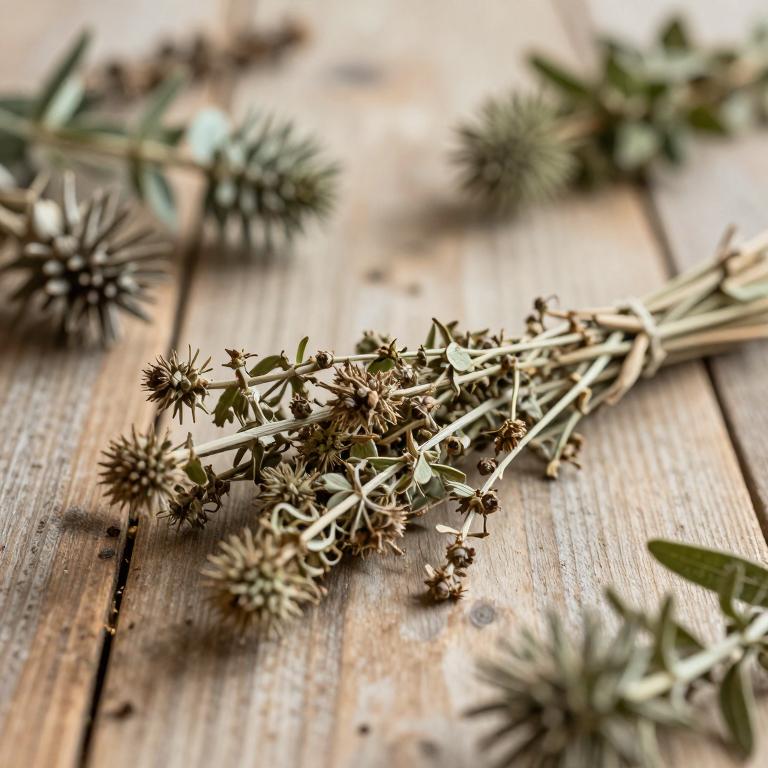
Names and Synonyms
Scientific Names
Accepted name
Asteriscus graveolens subsp. odorusSynonyms
- Asteriscus paui
- Bubonium graveolens subsp. odorum
- Bubonium odorum
- Buphthalmum odorum
- Nauplius graveolens subsp. odorus
- Dontospermum odorum
- Asteriscus cavanillesi
- Asteriscus odorus
Sources: Wikidata, Catalogue of Life
Taxonomical Classification
This plant belongs to the kingdom Plantae and the phylum Streptophyta, falling under the class Equisetopsida and subclass Magnoliidae. Within the order Asterales, it is classified under the family Asteraceae and the genus Asteriscus.
| Rank | Classification |
|---|---|
| Kingdom | Plantae |
| Phylum | Streptophyta |
| Class | Equisetopsida |
| Subclass | Magnoliidae |
| Order | Asterales |
| Family | Asteraceae |
| Genus | Asteriscus |
Sources: The World Checklist of Vascular Plants (WCVP)
Distribution
This plant exhibits a specific geographical distribution concentrated within certain regions of North Africa and Macaronesia. In the North African continent, it can be found growing in the territories of Libya. Additionally, its presence extends across the landscape of Morocco. Moving toward the Atlantic, the species is also distributed throughout Macaronesia. Specifically, it inhabits the unique ecosystem of the Canary Islands.
| Region | Area |
|---|---|
| Northern Africa | Libya |
| Northern Africa | Morocco |
| Macaronesia | Canary Is. |
Sources: The World Checklist of Vascular Plants (WCVP)
Chemicals
Asteriscus graveolens subsp. odorus has 1 reported phytochemicals identified across 0 scientific publications and several other databases. The most consistently reported chemicals include PETROLEUM ETHER.
| Chemical | Supporting sources | Consensus |
|---|---|---|
| PETROLEUM ETHER | 1 supporting sources | ★☆☆☆☆ |
PETROLEUM ETHER
- Letters in applied microbiology
Preparations
Asteriscus graveolens subsp. odorus has 1 reported preparations identified across 0 scientific publications and several other databases. The most consistently reported preparations include petroleum ether extracts.
| Preparation | Supporting sources | Consensus |
|---|---|---|
| Petroleum ether extracts | 1 supporting sources | ★☆☆☆☆ |
Petroleum ether extracts
- Letters in applied microbiology