Frost flowers
Aster · Accepted scientific name
Scientific literature: Very Sparse (4 studies) · ★☆☆☆☆
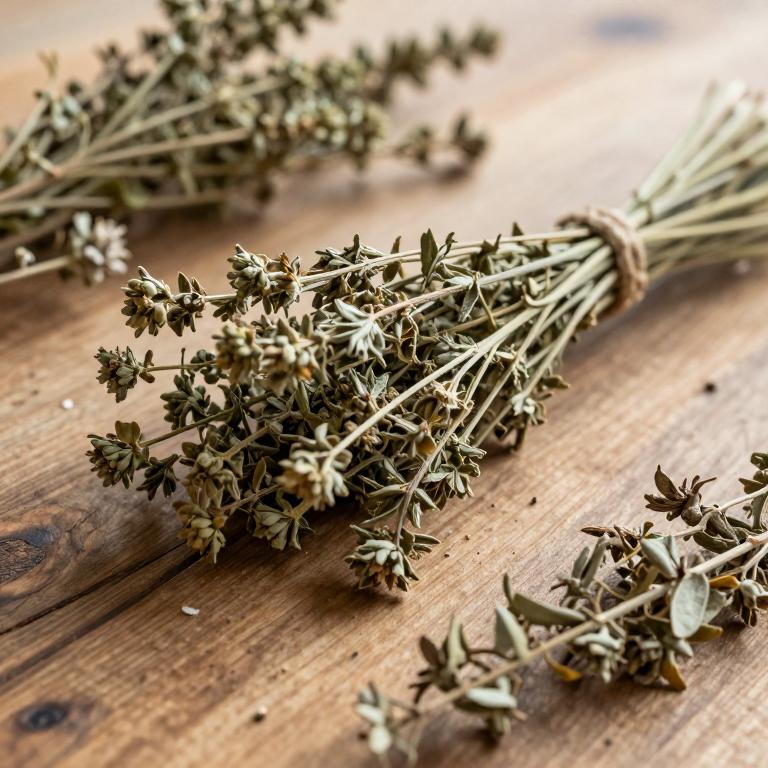
Frost flowers, scientifically known as Aster, is a versatile genus of flowering plants celebrated for their vibrant, star-shaped blooms. Renowned for their resilience in cooler climates, these perennials offer significant medicinal potential, traditionally used to support respiratory health, reduce inflammation, and promote overall wellness through their potent bioactive compounds.
Names and Synonyms
Common Names
- Michaelmas-Daisy
- true asters
- The true Asters
Scientific Names
Accepted name
AsterSynonyms
- Homostylium
- Hisutsua
- Leptocoma
- Kalimeris
- Chlamydites
- Bellidastrum
- Asteromoea
- Borkonstia
- Martinia
- Miyamayomena
- Wardaster
- Metamyriactis
- Cardiagyris
- Griersonia
- Iteroloba
- Geothamnus
- Sinosidus
- Sinobouffordia
- Rhinactinidia
- Yonglingia
- Tibetiodes
- Hersilea
- Kitamuria
- × Heterokalimeris
- Rhynchospermum
- Heteropappus
- Kalimares
Regional and Traditional Names
Spanish:
- Estrelladas
German:
- Astern
- Astern
Sources: Wikidata, Catalogue of Life
Taxonomical Classification
This plant belongs to the kingdom Plantae and the phylum Streptophyta, falling under the class Equisetopsida and subclass Magnoliidae. Within the order Asterales, it is classified under the family Asteraceae and is identified by the genus Aster.
| Rank | Classification |
|---|---|
| Kingdom | Plantae |
| Phylum | Streptophyta |
| Class | Equisetopsida |
| Subclass | Magnoliidae |
| Order | Asterales |
| Family | Asteraceae |
| Genus | Aster |
Sources: The World Checklist of Vascular Plants (WCVP)
Distribution
This plant exhibits a broad distribution across several regions of the European continent. In Northern Europe, its presence is documented throughout Great Britain, Norway, and Sweden. Moving toward the central part of the continent, the species is also found in Middle Europe. Specifically, it inhabits the landscapes of both Austria and Belgium. These various locations highlight the wide range of habitats this medicinal plant can occupy.
| Region | Area |
|---|---|
| Northern Europe | Great Britain |
| Northern Europe | Norway |
| Northern Europe | Sweden |
| Middle Europe | Austria |
| Middle Europe | Belgium |
| Middle Europe | Czechia-Slovakia |
| Middle Europe | Germany |
| Middle Europe | Hungary |
| Middle Europe | Poland |
| Middle Europe | Switzerland |
Sources: The World Checklist of Vascular Plants (WCVP)
Chemicals
Aster has 3 reported phytochemicals identified across 0 scientific publications and several other databases. The most consistently reported chemicals include Caryophyllene, D-Limonene, Flavonoids.
| Chemical | Supporting sources | Consensus |
|---|---|---|
| Caryophyllene | 1 supporting sources | ★☆☆☆☆ |
| D-Limonene | 1 supporting sources | ★☆☆☆☆ |
| Flavonoids | 1 supporting sources | ★☆☆☆☆ |
Caryophyllene
- Metabolites
D-Limonene
- Metabolites
Flavonoids
- Phytochemical analysis : PCA
Conditions
Aster has 1 reported investigations on conditions identified across 0 scientific publications and several other databases. The most consistently reported conditions include heat.
| Condition | Supporting sources | Consensus |
|---|---|---|
| Heat | 1 supporting sources | ★☆☆☆☆ |
Heat
- Phytochemical analysis : PCA