field aster
Aster yomena · Accepted scientific name
Scientific literature: Very Sparse (3 studies) · ★☆☆☆☆
Field aster, scientifically known as Aster yomena, is a resilient medicinal herb native to the arid landscapes of the Middle East. Renowned for its therapeutic properties, this plant is traditionally used to treat various ailments, offering significant pharmacological potential in managing inflammation and supporting overall holistic wellness through nature.
- Family
- Asteraceae
- Native range
- Asia-Temperate
- Parts used
- Not available
- Common names
- Not available
- Scientific synonyms
- Kalimeris Incisa Var. Yomena · Kalimeris Yomena
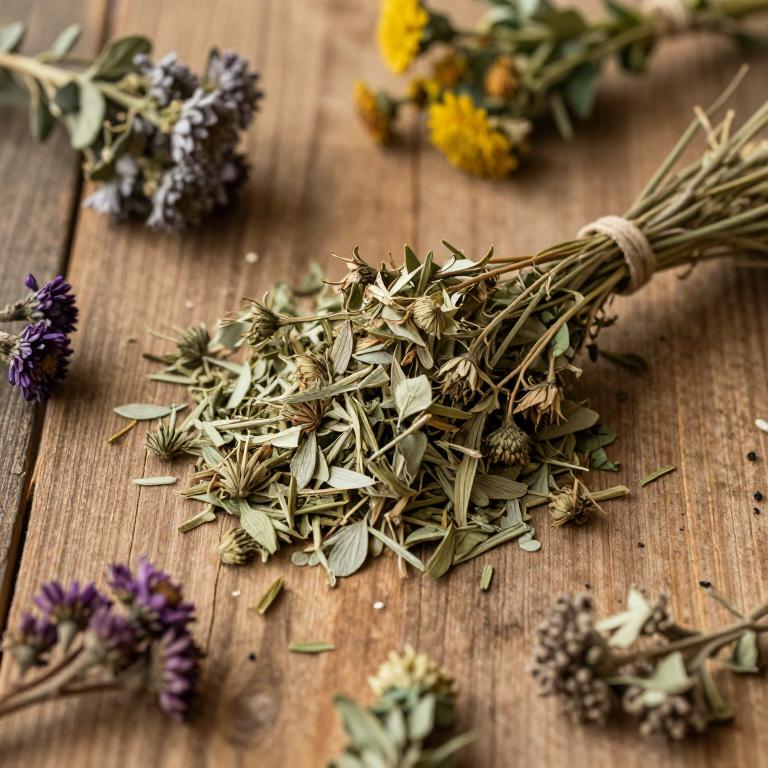
Names and Synonyms
Scientific Names
Accepted name
Aster yomenaSynonyms
- Kalimeris incisa var. yomena
- Kalimeris yomena
Sources: Wikidata, Catalogue of Life
Taxonomical Classification
This plant belongs to the kingdom Plantae and is classified under the phylum Streptophyta and class Equisetopsida. Within the subclass Magnoliidae, it falls under the order Asterales and is a member of the Asteraceae family. It is further identified by its genus, Aster, and its specific species name, yomena.
| Rank | Classification |
|---|---|
| Kingdom | Plantae |
| Phylum | Streptophyta |
| Class | Equisetopsida |
| Subclass | Magnoliidae |
| Order | Asterales |
| Family | Asteraceae |
| Genus | Aster |
Sources: The World Checklist of Vascular Plants (WCVP)
Distribution
This plant, known as Aster yomena, exhibits a specific geographical range within the region of Eastern Asia. Its natural habitat is primarily concentrated in the island nation of Japan. Additionally, the species can be found growing across the Korean Peninsula. These two locations represent the primary areas where the plant is distributed in the wild. Consequently, its presence is limited to these specific East Asian territories.
| Region | Area |
|---|---|
| Eastern Asia | Japan |
| Eastern Asia | Korea |
Sources: The World Checklist of Vascular Plants (WCVP)
Botanical Identification
Morphology
The morphology of Aster yomena is characterized by a growth form classified as a herb, which distinguishes its structural development from more permanent woody structures. In terms of its physical composition, the plant exhibits a non-woody nature, lacking the lignified tissue typically found in shrubs or trees. This herbaceous habit implies a relatively soft, succulent, or flexible stem structure that typically lacks significant secondary thickening.
- Growth form :
- herb
- Woodiness :
- non-woody
Sources: Global Inventory of Floras and Traits (GIFT)
Chemicals
Aster yomena has 1 reported phytochemicals identified across 0 scientific publications and several other databases. The most consistently reported chemicals include Isoquercitrin.
| Chemical | Supporting sources | Consensus |
|---|---|---|
| Isoquercitrin | 1 supporting sources | ★☆☆☆☆ |
Isoquercitrin
- Biochimica et biophysica acta
Conditions
Aster yomena has 1 reported investigations on conditions identified across 0 scientific publications and several other databases. The most consistently reported conditions include thrombosis.
| Condition | Supporting sources | Consensus |
|---|---|---|
| Thrombosis | 1 supporting sources | ★☆☆☆☆ |
Thrombosis
- Journal of bioscience and bioengineering
Preparations
Aster yomena has 2 reported preparations identified across 0 scientific publications and several other databases. The most consistently reported preparations include methanol extracts, traditional medicinal herb.
| Preparation | Supporting sources | Consensus |
|---|---|---|
| Methanol extracts | 1 supporting sources | ★☆☆☆☆ |
| Traditional medicinal herb | 1 supporting sources | ★☆☆☆☆ |
Methanol extracts
- BioFactors (Oxford, England)
Traditional medicinal herb
- Biochimica et biophysica acta