Aspilia helianthoides
Aspilia helianthoides · Accepted scientific name
Scientific literature: Very Sparse (1 studies) · ★☆☆☆☆
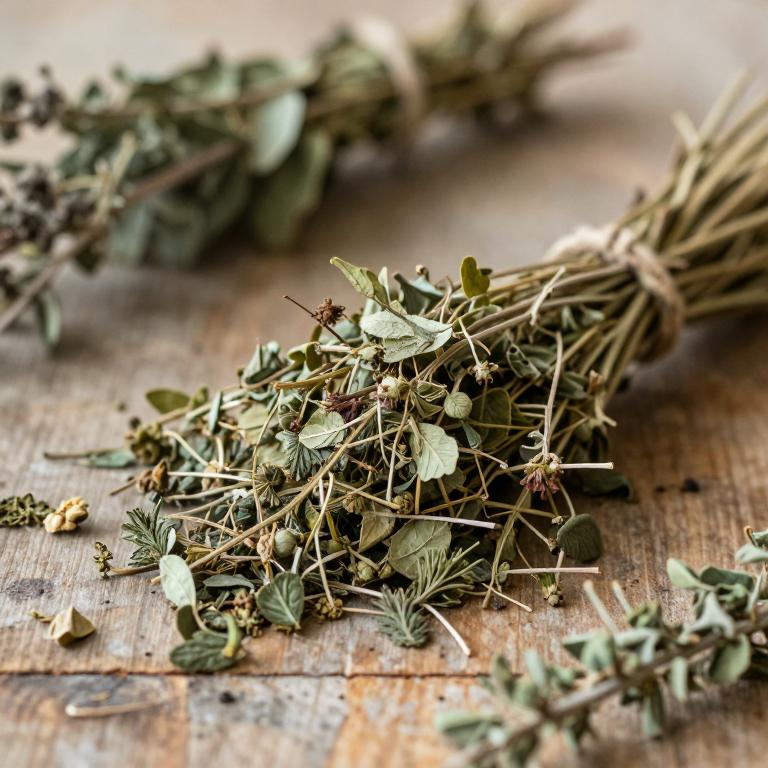
Aspilia helianthoides, scientifically known as Aspilia helianthoides, is a versatile medicinal plant native to tropical Africa. Widely utilized in traditional healing practices, it possesses significant antimicrobial, anti-inflammatory, and wound-healing properties. This botanical specimen holds great promise for modern pharmacology due to its rich bioactive compounds and therapeutic potential.
- Family
- Not available
- Native range
- Africa
- Parts used
- Leaf
- Common names
- Not available
- Scientific synonyms
- Not available
Names and Synonyms
Scientific Names
Accepted name
Aspilia helianthoidesDistribution
This plant is primarily found within the West Tropical Africa region. Its documented presence includes the nation of Benin, where it grows in specific local habitats. Furthermore, the species can be located across the borders of Burkina and Ghana. The distribution also extends into the territories of Guinea and Ivory Coast. Together, these locations define the core geographical range of the species.
| Region | Area |
|---|---|
| West Tropical Africa | Benin |
| West Tropical Africa | Burkina |
| West Tropical Africa | Ghana |
| West Tropical Africa | Guinea |
| West Tropical Africa | Ivory Coast |
| West Tropical Africa | Mali |
| West Tropical Africa | Nigeria |
| West Tropical Africa | Senegal |
| West Tropical Africa | Sierra Leone |
| West Tropical Africa | Togo |
Sources: The World Checklist of Vascular Plants (WCVP)
Botanical Identification
Life history
The life history of Aspilia helianthoides is characterized by its classification as an annual plant, completing its entire developmental cycle from germination to seed production within a single growing season. As a therophyte, it maintains its biological existence by producing seeds that persist through unfavorable conditions, relying on these dormant propagules to establish new individuals when environmental circumstances become suitable. This life form strategy ensures that the plant can rapidly exploit seasonal resources, utilizing its ephemeral growth habit to thrive before succumbing to the end of its annual cycle.
- Life form :
- therophyte
- Lifecycle :
- annual
Morphology
The morphology of Aspilia helianthoides is characterized by its growth form as a non-woody herb, functioning as an independent organism without parasitic tendencies. As a terrestrial plant, it maintains a self-supporting structure rather than acting as an obligatory or facultative climber. The specimen typically exhibits a relatively modest stature, reaching a maximum plant height of approximately 0.61 meters.
- Climber :
- self-supporting
- Epiphyte :
- terrestrial
- Growth form :
- herb
- Parasite :
- independent
- Plant height max:
- 0.609607413 m
- Woodiness :
- non-woody
Reproduction
The reproduction of Aspilia helianthoides is characterized by the production of specialized seeds that exhibit highly uniform physical properties. Based on empirical data, the seed mass remains consistent across all observed samples, with a recorded mean seed mass of 0.00294 g. This uniformity is absolute, as both the maximum and minimum seed mass values are identical at 0.00294 g, indicating a lack of significant variance in the weight of the reproductive units produced by the plant. Such precise mass consistency suggests a standardized developmental process during the maturation of the seeds.
- Seed mass mean:
- 0.00294 g
Sources: Global Inventory of Floras and Traits (GIFT)
Plant Parts
Aspilia helianthoides has 1 reported plant parts identified across 1 scientific publications and several other databases that are studied for medicinal purposes. The most consistently reported plant part include leaf.
| Plant part | Supporting sources | Consensus |
|---|---|---|
| Leaf | 1 supporting sources | ★☆☆☆☆ |
Leaf
- Die Pharmazie
Preparations
Aspilia helianthoides has 1 reported preparations identified across 1 scientific publications and several other databases. The most consistently reported preparations include methanolic extract.
| Preparation | Supporting sources | Consensus |
|---|---|---|
| Methanolic extract | 1 supporting sources | ★☆☆☆☆ |
Methanolic extract
- Die Pharmazie