Aspidosperma excelsum
Aspidosperma excelsum · Accepted scientific name
Scientific literature: Very Sparse (0 studies) · ★☆☆☆☆
Aspidosperma excelsum is a significant botanical species often studied for its potential therapeutic properties. In various traditional medicinal practices, this plant has been utilized to address health concerns related to malaria. Researchers have focused on evaluating the efficacy of single plant extracts derived from different parts of the tree. These concentrated preparations are analyzed to identify specific bioactive compounds capable of combating the parasite. Understanding the medicinal potential of this species remains a vital area of ethnobotanical investigation.
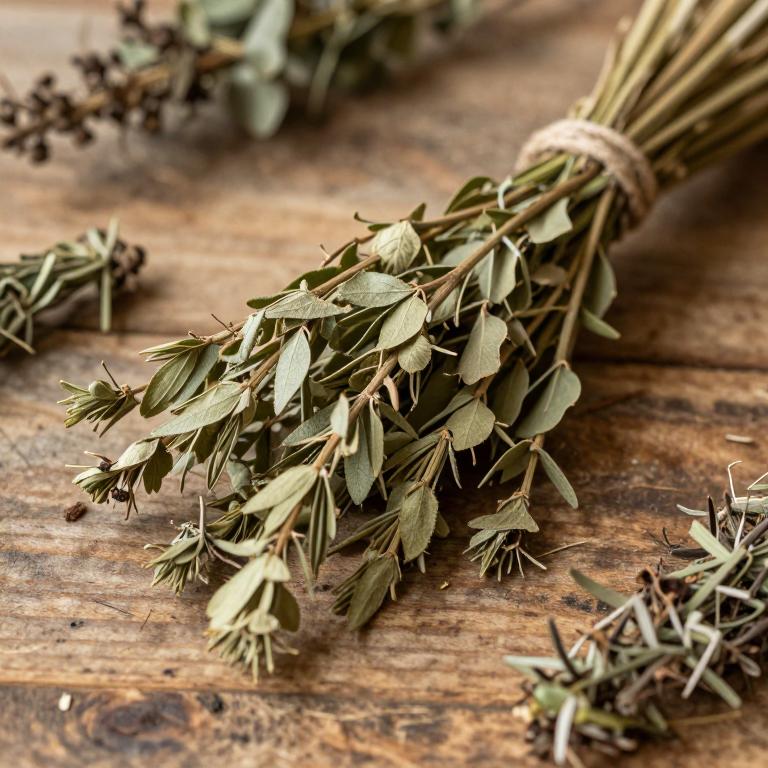
- Synonyms
- Aspidosperma Aquaticum · Thyroma Nitida · 2 more
- Common names
- Not available
- Family
- Apocynaceae
- Distribution
- Not available
- Plant Parts
- Not available
Classification
Common Names
Aspidosperma excelsum is a notable species known by several distinct local identifiers. Among its most recognized labels is the common name Costillo, which reflects its regional presence. In certain areas, it is also referred to as kebračovec statný, highlighting its impressive stature. These varying names illustrate the diverse ways different cultures and communities categorize the plant. Understanding these relationships helps enthusiasts better identify this important tree in the wild.
Sources: Catalogue of Life (COL)
Synonyms
Aspidosperma excelsum is a botanical species that is identified through several different scientific names. Within taxonomic literature, it is recognized by the synonyms Aspidosperma aquaticum and Aspidosperma nitidum. Furthermore, the plant has been historically categorized under the name Macaglia excelsa. It is also frequently associated with the synonym Thyroma nitida in various botanical records. Understanding these overlapping designations is essential for accurate identification and study of the species.
Sources: The World Checklist of Vascular Plants (WCVP)
Taxonomy
Aspidosperma excelsum is a distinctive member of the kingdom Plantae. This plant is classified under the class Equisetopsida and belongs to the order Gentianales. Within this taxonomic hierarchy, it is a part of the family Apocynaceae. It is further identified by its specific genus, Aspidosperma. Together, these relationships define the biological identity and evolutionary placement of the species.
| Rank | Classification |
|---|---|
| Kingdom | Plantae |
| Phylum | Streptophyta |
| Class | Equisetopsida |
| Subclass | Magnoliidae |
| Order | Gentianales |
| Family | Apocynaceae |
| Genus | Aspidosperma |
Sources: The World Checklist of Vascular Plants (WCVP)
Distribution
Geographic Regions
Aspidosperma excelsum is a versatile species with a broad geographical footprint across several tropical regions. Its distribution spans much of South America, including extensive coverage in Brazil and the northern territories of French Guiana and Guyana. The plant also extends its reach into Central America, where it can be found flourishing in Costa Rica and Panamá. This wide-ranging presence highlights its ability to adapt to diverse ecological niches throughout the continent. Ultimately, its occurrence across these various nations underscores its significant importance to the regional flora.
Sources: The World Checklist of Vascular Plants (WCVP)
Identification
Morphology
Aspidosperma excelsum is a prominent tree characterized by its sturdy, self-supporting growth form. This species can reach impressive dimensions in the wild, typically climbing to a height of 30 meters. In certain ideal conditions, however, it may extend even further to reach a maximum height of 35 meters. Such structural stability allows it to stand as a significant presence within its natural ecosystem.
Sources: Global Inventory of Floras and Traits (GIFT)
Biological Activities
Compounds
Conditions
Aspidosperma excelsum demonstrates significant medicinal potential through its ability to treat 36 different micro-organisms, including various bacteria and yeast. This plant was identified as one of the twelve species from the Peruvian Amazon that displayed relevant antibacterial activity in standardized experiments. Beyond its broad antimicrobial properties, the genus is recognized for its ability to treat malaria. Specifically, species within the Aspidosperma group are traditionally used as remedies for malarial infections. These biological relationships highlight the plant's importance in both treating diverse microbial infections and addressing parasitic diseases.
Preparations
Aspidosperma excelsum is prepared as single plant extracts for use in antimicrobial studies within the Peruvian Amazon. These specific extracts were among the 72 single plant preparations evaluated against a panel of 36 different microorganisms. The research focused on testing these individual plant extracts to determine their Minimal Inhibitory Concentration (MIC) against various bacteria and yeast. Among the species analyzed, Aspidosperma excelsum demonstrated relevant antibacterial activity with an MIC of ≤0.15 mg/mL. This preparation method allowed researchers to identify the plant's potential as a medicinal remedy for microbial infections.