Asphodelus macrocarpus subsp. macrocarpus
Asphodelus macrocarpus subsp. macrocarpus · Accepted scientific name
Scientific literature: Very Sparse (5 studies) · ★☆☆☆☆
, scientifically known as Asphodelus macrocarpus subsp. macrocarpus, is a distinctive medicinal plant valued for its unique therapeutic properties. Native to specific ecological niches, this subspecies is recognized for its specialized chemical compounds. It serves as a vital resource in traditional healing practices, offering significant potential for modern pharmacological research.
- Family
- Asphodelaceae
- Native range
- Europe
- Parts used
- Root · Leaf
- Common names
- Not available
- Scientific synonyms
- Asphodelus Albus Subsp. Villarsii · Asphodelus Albus Var. Villarsii · 8 more
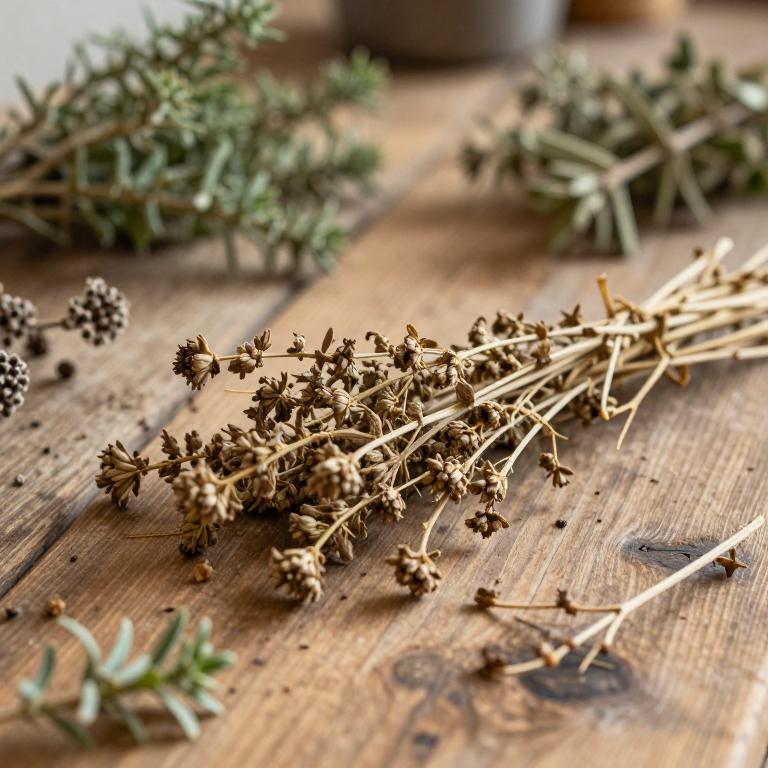
Names and Synonyms
Scientific Names
Accepted name
Asphodelus macrocarpus subsp. macrocarpusSynonyms
- Asphodelus albus subsp. villarsii
- Asphodelus albus var. villarsii
- Asphodelus ambigens
- Asphodelus collinus
- Asphodelus ozanonii
- Asphodelus villarsii
- Asphodelus cerasiferus var. intermedius
- Asphodelus ramosus subsp. villarsii
- Asphodelus ramosus var. fuscescens
- Asphodelus cerasiferus subsp. villarsii
Sources: Wikidata
Taxonomical Classification
This plant belongs to the kingdom Plantae and is classified within the phylum Streptophyta and the class Equisetopsida. As a member of the subclass Magnoliidae and the order Asparagales, it falls under the family Asphodelaceae. Its specific taxonomic identity is defined by the genus Asphodelus, specifically the subspecies macrocarpus.
| Rank | Classification |
|---|---|
| Kingdom | Plantae |
| Phylum | Streptophyta |
| Class | Equisetopsida |
| Subclass | Magnoliidae |
| Order | Asparagales |
| Family | Asphodelaceae |
| Genus | Asphodelus |
Sources: The World Checklist of Vascular Plants (WCVP)
Distribution
This plant exhibits a diverse range of locations across the European continent. In Middle Europe, it can be found growing in Hungary and Switzerland. Moving toward the Mediterranean, its presence extends into Southwestern Europe. Specifically, it inhabits the island of Corse and various regions within France. Finally, its distribution reaches the westernmost reaches of the continent in Portugal.
| Region | Area |
|---|---|
| Middle Europe | Hungary |
| Middle Europe | Switzerland |
| Southwestern Europe | Corse |
| Southwestern Europe | France |
| Southwestern Europe | Portugal |
| Southwestern Europe | Sardegna |
| Southwestern Europe | Spain |
| Southeastern Europe | Albania |
| Southeastern Europe | Bulgaria |
| Southeastern Europe | Greece |
Sources: The World Checklist of Vascular Plants (WCVP)
Plant Parts
Asphodelus macrocarpus subsp. macrocarpus has 2 reported plant parts identified across 3 scientific publications and several other databases that are studied for medicinal purposes. The most consistently reported plant part include root, leaf.
| Plant part | Supporting sources | Consensus |
|---|---|---|
| Root | 2 supporting sources | ★☆☆☆☆ |
| Leaf | 1 supporting sources | ★☆☆☆☆ |
Root
- Pharmaceuticals (Basel, Switzerland)
- Plants (Basel, Switzerland)
Leaf
- Molecules (Basel, Switzerland)
Activities
Asphodelus macrocarpus subsp. macrocarpus has 2 reported activities identified across 3 scientific publications and several other databases. The most consistently reported activities include Antimicrobial, Antioxidant.
| Activity | Supporting sources | Consensus |
|---|---|---|
| Antimicrobial | 1 supporting sources | ★☆☆☆☆ |
| Antioxidant | 1 supporting sources | ★☆☆☆☆ |
Antimicrobial
- Molecules (Basel, Switzerland)
Antioxidant
- Molecules (Basel, Switzerland)
Preparations
Asphodelus macrocarpus subsp. macrocarpus has 2 reported preparations identified across 3 scientific publications and several other databases. The most consistently reported preparations include 70% hydroethanolic extracts, Asphodelus leaf 70% ethanol extracts.
| Preparation | Supporting sources | Consensus |
|---|---|---|
| 70% hydroethanolic extracts | 1 supporting sources | ★☆☆☆☆ |
| Asphodelus leaf 70% ethanol extracts | 1 supporting sources | ★☆☆☆☆ |
70% hydroethanolic extracts
- Pharmaceuticals (Basel, Switzerland)
Asphodelus leaf 70% ethanol extracts
- Molecules (Basel, Switzerland)