Asperula glomerata
Asperula glomerata · Accepted scientific name
Scientific literature: Very Sparse (0 studies) · ★☆☆☆☆
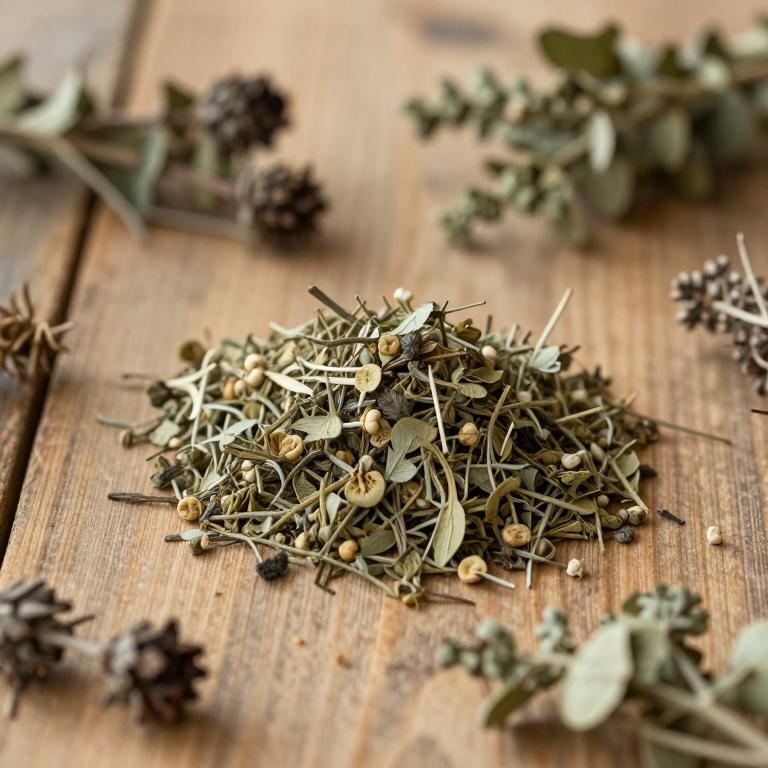
Asperula glomerata, commonly known as Woodruff, is a perennial herb celebrated for its delicate white flowers and sweet, hay-like fragrance. This woodland plant thrives in shaded environments, often forming lush green carpets across forest floors. In traditional herbalism, the plant is highly valued for its aromatic properties and potential medicinal applications. Modern applications frequently utilize the plant in the form of concentrated extracts to capture its unique chemical profile. These preparations serve as versatile components in both botanical studies and specialized wellness formulations.
- Synonyms
- Crucianella Glomerata
- Common names
- Not available
- Family
- Rubiaceae
- Distribution
- Not available
- Plant Parts
- Not available
Classification
Common Names
Asperula glomerata is a versatile plant known by various names across different languages and cultures. In certain regions, it is affectionately referred to by its common name, Yumyumotu. It is also recognized in Slavic contexts as Ясменник скученный, reflecting its botanical identity in those areas. Furthermore, the plant carries the Hebrew designation חספסנית כדורית, highlighting its global presence. These diverse names illustrate the widespread recognition of this charming species throughout the world.
Sources: Catalogue of Life (COL)
Synonyms
Asperula glomerata is a charming botanical species often recognized for its delicate floral clusters. In various scientific texts and historical databases, you may encounter it listed under its synonym, Crucianella glomerata. This nomenclature shift reflects the evolving nature of taxonomic classification within the Rubiaceae family. Understanding these overlapping names is essential for researchers aiming to maintain accuracy in plant identification. Consequently, recognizing both terms ensures a seamless connection between legacy records and modern botanical studies.
Sources: The World Checklist of Vascular Plants (WCVP)
Taxonomy
Asperula glomerata is a fascinating organism that belongs to the diverse kingdom Plantae. Within this expansive kingdom, the species is classified under the class Equisetopsida. It further belongs to the order Gentianales, which helps define its unique biological characteristics. Taxonomic studies place the plant specifically within the genus Asperula. Finally, it is a distinguished member of the Rubiaceae family, showcasing its evolutionary connections to other related species.
| Rank | Classification |
|---|---|
| Kingdom | Plantae |
| Phylum | Streptophyta |
| Class | Equisetopsida |
| Subclass | Magnoliidae |
| Order | Gentianales |
| Family | Rubiaceae |
| Genus | Asperula |
Sources: The World Checklist of Vascular Plants (WCVP)
Distribution
Geographic Regions
Asperula glomerata is widely distributed throughout the Asia-Temperate region, showcasing a broad geographical presence. Its range extends into the rugged landscapes of the Caucasus and the Transcaucasus. Within Central Asia, the species is firmly established across several key nations, including Kazakhstan and Kirgizstan. Furthermore, it can be found thriving in the diverse environments of Tadzhikistan and Turkmenistan. This widespread distribution highlights the plant's ability to adapt to various habitats across these territories.
Sources: The World Checklist of Vascular Plants (WCVP)
Identification
Morphology
Asperula glomerata is a self-supporting herb that integrates seamlessly into its natural habitat. This plant typically maintains a modest stature, reaching a maximum height of 0.4 meters. Depending on environmental conditions, its growth may be much more compact, with a minimum height of only 0.07 meters. Such a versatile growth form allows it to thrive across various ecological niches.
Sources: Global Inventory of Floras and Traits (GIFT)
Biological Activities
Compounds
Conditions
Preparations
Asperula glomerata is prepared as extracts to investigate its potential medicinal properties. In this study, researchers utilized methanol, n-hexane, and chloroform to create these specific plant extracts. These various extraction methods were employed to evaluate how the procedure might influence the biological activity of the species. The resulting extracts were then tested for their inhibitory effects against digestive enzymes and angiotensin converting enzyme. This process allowed for a scientific assessment of the traditional medicinal uses associated with Asperula glomerata.