Water Arum
Arum hygrophilum · Accepted scientific name
Scientific literature: Very Sparse (5 studies) · ★☆☆☆☆
Water Arum, scientifically known as Arum hygrophilum, is a distinctive wetland plant native to tropical regions. Renowned for its unique spadix and spathe structure, it thrives in marshy habitats. While culturally significant, it contains bioactive compounds that have garnered interest in traditional medicine for their potential therapeutic properties.
- Family
- Araceae
- Native range
- Africa
- Parts used
- Leaf
- Common names
- Water Arum
- Scientific synonyms
- Arum Hygrophilum Var. Albinervium · Arum Hygrophilum Subsp. Aurorum · 4 more
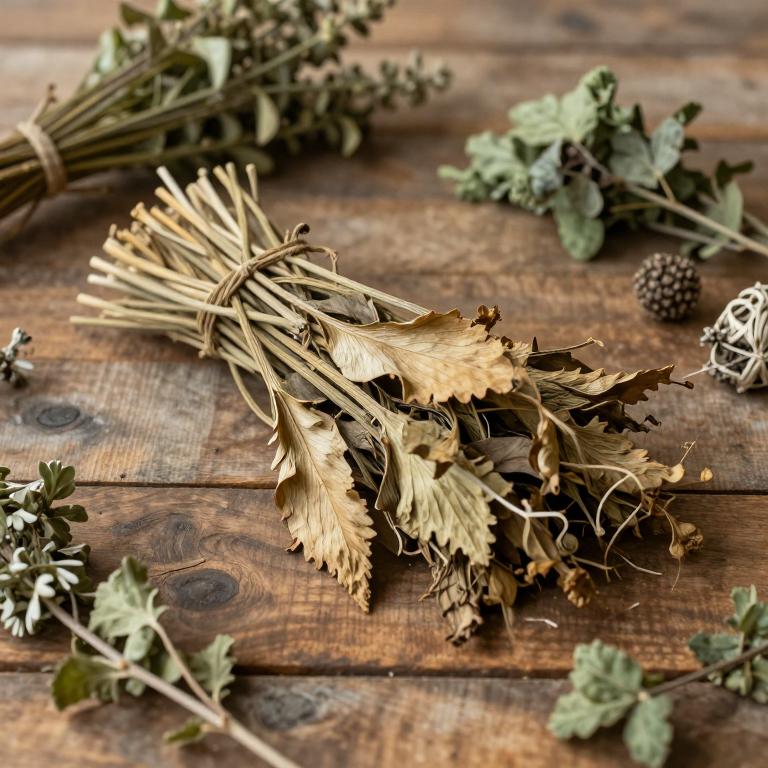
Names and Synonyms
Common Names
- Water Arum
Scientific Names
Accepted name
Arum hygrophilumSynonyms
- Arum hygrophilum var. albinervium
- Arum hygrophilum subsp. aurorum
- Arum hygrophilum var. maurum
- Arum hygrophilum subsp. maurum
- Arum longicyrrhum
- Arum albinervium
Sources: Wikidata, Catalogue of Life
Taxonomical Classification
This plant, known scientifically as Arum hygrophilum, belongs to the kingdom Plantae and the phylum Streptophyta. It is classified under the class Equisetopsida and the subclass Magnoliidae within the order Alismatales. Finally, it is a member of the family Araceae and falls under the genus Arum.
| Rank | Classification |
|---|---|
| Kingdom | Plantae |
| Phylum | Streptophyta |
| Class | Equisetopsida |
| Subclass | Magnoliidae |
| Order | Alismatales |
| Family | Araceae |
| Genus | Arum |
Sources: The World Checklist of Vascular Plants (WCVP)
Distribution
This plant exhibits a specific geographical distribution across several distinct regions. In Northern Africa, its presence is documented within the borders of Morocco. Its range extends significantly into Western Asia, where it can be found on the island of Cyprus. Furthermore, the species is widely distributed throughout the Levant, specifically inhabiting Lebanon, Syria, and Palestine. Finally, the plant is also known to grow within the territory of Türkiye.
| Region | Area |
|---|---|
| Northern Africa | Morocco |
| Western Asia | Cyprus |
| Western Asia | Lebanon-Syria |
| Western Asia | Palestine |
| Western Asia | Türkiye |
Sources: The World Checklist of Vascular Plants (WCVP)
Botanical Identification
Life history
The life history of Arum hygrophilum is characterized by its specialized survival strategies, functioning primarily as a geophyte and a cryptophyte. As a geophyte, the plant relies on underground storage organs, such as tubers or rhizomes, to endure unfavorable environmental conditions and facilitate regrowth during favorable seasons. This underground dependency is a core component of its life cycle, allowing it to persist through periods of dormancy. Furthermore, its classification as a cryptophyte highlights its strategy of protecting its perennating buds beneath the soil surface or within organic debris, ensuring that the vital growing points remain insulated from external stressors like drought or temperature fluctuations. These combined life forms allow the species to effectively manage its energy reserves and synchronize its phenological development with the specific moisture and climatic requirements of its habitat.
- Life form :
- geophyte
- Life form :
- cryptophyte
Morphology
The morphology of Arum hygrophilum is characterized by its diverse ecological adaptations, manifesting as an organism that can transition between aquactic, semiaquatic, and terrestrial habitats. It functions as a self-supporting plant rather than a climber, maintaining its structural integrity without the need for obligatory or facultative climbing mechanisms. As an independent organism, it does not exhibit parasitic behavior, functioning entirely on its own metabolic processes without relying on host plants. Furthermore, it is a terrestrial species rather than an epiphyte, growing directly in soil or substrate instead of residing on other plants as an obligatory or facultative epiphyte.
- Aquatic :
- terrestrial
- Climber :
- self-supporting
- Epiphyte :
- terrestrial
- Parasite :
- independent
Sources: Global Inventory of Floras and Traits (GIFT)
Plant Parts
Arum hygrophilum has 1 reported plant parts identified across 1 scientific publications and several other databases that are studied for medicinal purposes. The most consistently reported plant part include leaf.
| Plant part | Supporting sources | Consensus |
|---|---|---|
| Leaf | 1 supporting sources | ★☆☆☆☆ |
Leaf
- Pharmacognosy magazine
Chemicals
Arum hygrophilum has 3 reported phytochemicals identified across 1 scientific publications and several other databases. The most consistently reported chemicals include Isoorientin, Vitexin, luteolin.
| Chemical | Supporting sources | Consensus |
|---|---|---|
| Isoorientin | 1 supporting sources | ★☆☆☆☆ |
| Vitexin | 1 supporting sources | ★☆☆☆☆ |
| luteolin | 1 supporting sources | ★☆☆☆☆ |
Isoorientin
- Pharmacognosy magazine
Vitexin
- Pharmacognosy magazine
luteolin
- Pharmacognosy magazine
Activities
Arum hygrophilum has 1 reported activities identified across 1 scientific publications and several other databases. The most consistently reported activities include Antiproliferative.
| Activity | Supporting sources | Consensus |
|---|---|---|
| Antiproliferative | 1 supporting sources | ★☆☆☆☆ |
Antiproliferative
- Pharmacognosy magazine
Preparations
Arum hygrophilum has 2 reported preparations identified across 1 scientific publications and several other databases. The most consistently reported preparations include ethanol extract, leaf crude water and ethanol extracts.
| Preparation | Supporting sources | Consensus |
|---|---|---|
| Ethanol extract | 1 supporting sources | ★☆☆☆☆ |
| Leaf crude water and ethanol extracts | 1 supporting sources | ★☆☆☆☆ |
Ethanol extract
- Pharmacognosy magazine
Leaf crude water and ethanol extracts
- Pharmacognosy magazine