Bread fruit
Artocarpus · Accepted scientific name
Scientific literature: Very Sparse (14 studies) · ★☆☆☆☆
Bread fruit, scientifically known as Artocarpus, is a versatile tropical plant celebrated for its nutritional and medicinal properties. Beyond its starchy fruit, various species offer potent bioactive compounds with antioxidant, anti-inflammatory, and antimicrobial effects. Traditionally used in holistic healing, Artocarpus serves as a vital resource in natural pharmacology.
- Family
- Moraceae
- Native range
- Africa
- Parts used
- Fruit · Leaf
- Common names
- Bread Fruit
- Scientific synonyms
- Radermachia · Rima · 4 more
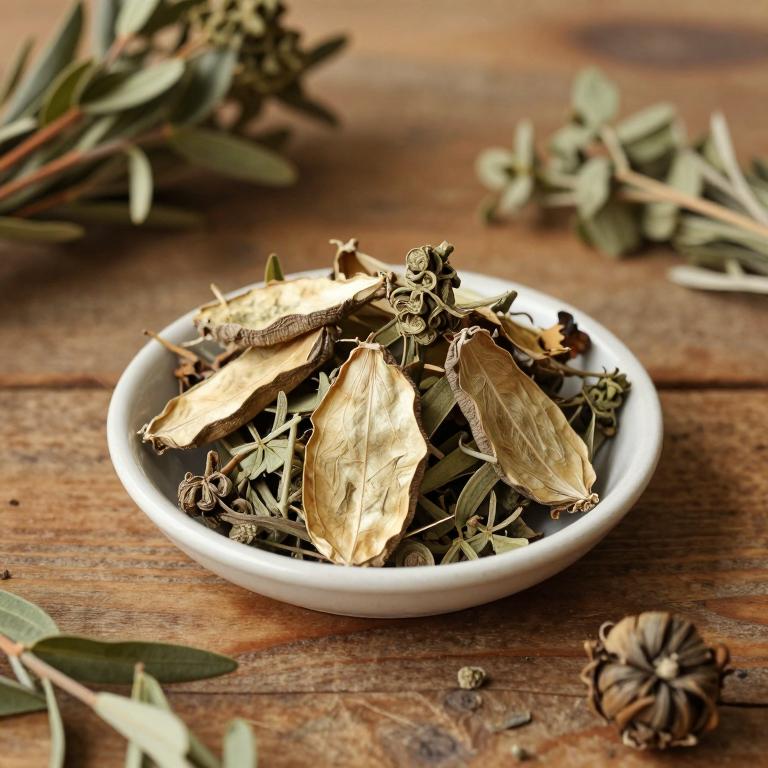
Names and Synonyms
Common Names
- Bread fruit
Scientific Names
Accepted name
ArtocarpusSynonyms
- Radermachia
- Rima
- Sitodium
- Polyphema
- Prainea
- Gigotorcya
Regional and Traditional Names
German:
- Brotfruchtbäume
- Brotfruchtbäume
Sources: Wikidata, Catalogue of Life
Taxonomical Classification
This plant belongs to the kingdom Plantae and the phylum Streptophyta, falling under the class Equisetopsida and subclass Magnoliidae. Within the order Rosales and the family Moraceae, it is classified under the genus Artocarpus.
| Rank | Classification |
|---|---|
| Kingdom | Plantae |
| Phylum | Streptophyta |
| Class | Equisetopsida |
| Subclass | Magnoliidae |
| Order | Rosales |
| Family | Moraceae |
| Genus | Artocarpus |
Sources: The World Checklist of Vascular Plants (WCVP)
Distribution
This plant exhibits a specific geographical distribution concentrated within several key regions of the African continent. In West Tropical Africa, its presence is noted in both Gambia and Guinea. Moving into the West-Central Tropical Africa region, it can be found in the Central African Republic and Cameroon. Additionally, the species extends its reach to the Gulf of Guinea Islands. Together, these locations highlight a range centered primarily around the tropical belt of Africa.
| Region | Area |
|---|---|
| West Tropical Africa | Gambia |
| West Tropical Africa | Guinea |
| West-Central Tropical Africa | Central African Republic |
| West-Central Tropical Africa | Cameroon |
| West-Central Tropical Africa | Gulf of Guinea Is. |
| Western Indian Ocean | Chagos Archipelago |
| Western Indian Ocean | Comoros |
| Western Indian Ocean | Mauritius |
| Western Indian Ocean | Réunion |
| Western Indian Ocean | Seychelles |
Sources: The World Checklist of Vascular Plants (WCVP)
Plant Parts
Artocarpus has 4 reported plant parts identified across 4 scientific publications and several other databases that are studied for medicinal purposes. The most consistently reported plant part include fruit, leaf, seed, stem.
| Plant part | Supporting sources | Consensus |
|---|---|---|
| Fruit | 1 supporting sources | ★☆☆☆☆ |
| Leaf | 1 supporting sources | ★☆☆☆☆ |
| Seed | 1 supporting sources | ★☆☆☆☆ |
| Stem | 1 supporting sources | ★☆☆☆☆ |
Fruit
- Journal of ethnopharmacology
Leaf
- Journal of ethnopharmacology
Seed
- Journal of ethnopharmacology
Stem
- Journal of ethnopharmacology
Chemicals
Artocarpus has 1 reported phytochemicals identified across 4 scientific publications and several other databases. The most consistently reported chemicals include Flavonoids.
| Chemical | Supporting sources | Consensus |
|---|---|---|
| Flavonoids | 1 supporting sources | ★☆☆☆☆ |
Flavonoids
- Journal of ethnopharmacology
Activities
Artocarpus has 6 reported activities identified across 4 scientific publications and several other databases. The most consistently reported activities include Antiarthritic, Antibacterial, Antifungal, Antiplatelet, Antitubercular.
| Activity | Supporting sources | Consensus |
|---|---|---|
| Antiarthritic | 1 supporting sources | ★☆☆☆☆ |
| Antibacterial | 1 supporting sources | ★☆☆☆☆ |
| Antifungal | 1 supporting sources | ★☆☆☆☆ |
| Antiplatelet | 1 supporting sources | ★☆☆☆☆ |
| Antitubercular | 1 supporting sources | ★☆☆☆☆ |
| Antiviral | 1 supporting sources | ★☆☆☆☆ |
Antiarthritic
- Journal of ethnopharmacology
Antibacterial
- Journal of ethnopharmacology
Antifungal
- Journal of ethnopharmacology
Antiplatelet
- Journal of ethnopharmacology
Antitubercular
- Journal of ethnopharmacology
Antiviral
- Journal of ethnopharmacology
Conditions
Artocarpus has 2 reported investigations on conditions identified across 4 scientific publications and several other databases. The most consistently reported conditions include inflammation, tapeworm infection.
| Condition | Supporting sources | Consensus |
|---|---|---|
| Inflammation | 1 supporting sources | ★☆☆☆☆ |
| Tapeworm infection | 1 supporting sources | ★☆☆☆☆ |
Inflammation
- Journal of ethnopharmacology
Tapeworm infection
- Journal of ethnopharmacology