Arthrocaulon macrostachyum
Arthrocaulon macrostachyum · Accepted scientific name
Scientific literature: Very Sparse (0 studies) · ★☆☆☆☆
Arthrocaulon macrostachyum is a unique plant species often studied for its distinct botanical characteristics and ecological significance. Within the realm of ethnobotany, this plant has gained attention for its potential therapeutic applications. Researchers frequently focus on the development of various extracts derived from its tissues to explore bioactive compounds. These preparations serve as the foundation for investigating the plant's medicinal properties and chemical composition. Understanding the utility of these extracts provides valuable insights into the diverse biological potential of the species.
- Synonyms
- Salicornia Macrostachya · Arthrocnemum Fruticosum Var. Glaucum · 7 more
- Common names
- Not available
- Family
- Amaranthaceae
- Distribution
- Not available
- Plant Parts
- Not available
Classification
Common Names
Arthrocaulon macrostachyum is a distinct plant species known by several different names across various languages and regions. In English, it is most frequently referred to as the Glaucous Glasswort or sometimes simply as Cirialera glauca. German speakers identify this species as the Großähriger Queller or the Graue Gliedermelde. Its linguistic reach extends into Spanish-speaking areas, where it is commonly called Sapillo. Additionally, the name Salicorne glauque is often used to describe this unique botanical specimen.
Sources: Catalogue of Life (COL)
Synonyms
Arthrocaulon macrostachyum is a botanical species known to be associated with several distinct taxonomic synonyms. It is frequently identified in literature under the name Arthrocnemum macrostachyum, reflecting its complex classification history. Furthermore, the plant has been referred to as Arthrocnemum glaucum and Arthrocnemum fruticosum var. glaucum in various studies. Other recognized variations include Arthrocnemum fruticosum var. macrostachyum and the subspecies Arthrocnemum indicum subsp. glaucum. Understanding these overlapping names is essential for accurate identification and scientific consistency.
Sources: The World Checklist of Vascular Plants (WCVP)
Taxonomy
Arthrocaulon macrostachyum is a fascinating biological specimen that belongs to the kingdom Plantae. Within this vast kingdom, the plant is specifically categorized under the class Equisetopsida. It further refines its biological identity as a member of the order Caryophyllales. Moving down the taxonomic hierarchy, it is classified under the family Amaranthaceae. Finally, this species is distinguished by its unique placement within the genus Arthrocaulon.
| Rank | Classification |
|---|---|
| Kingdom | Plantae |
| Phylum | Streptophyta |
| Class | Equisetopsida |
| Subclass | Magnoliidae |
| Order | Caryophyllales |
| Family | Amaranthaceae |
| Genus | Arthrocaulon |
Sources: The World Checklist of Vascular Plants (WCVP)
Distribution
Geographic Regions
Arthrocaulon macrostachyum is a plant species with a wide geographical presence spanning across Africa and the Macaronesia region. Its range includes the Canary Islands and the specific archipelago of Cape Verde. Within the African continent, the species is notably established throughout Northeast Tropical Africa. Detailed distributions can be found within the unique landscapes of Eritrea, Somalia, and the island of Socotra. This diverse footprint highlights the plant's ability to thrive across various coastal and tropical environments.
Sources: The World Checklist of Vascular Plants (WCVP)
Identification
Morphology
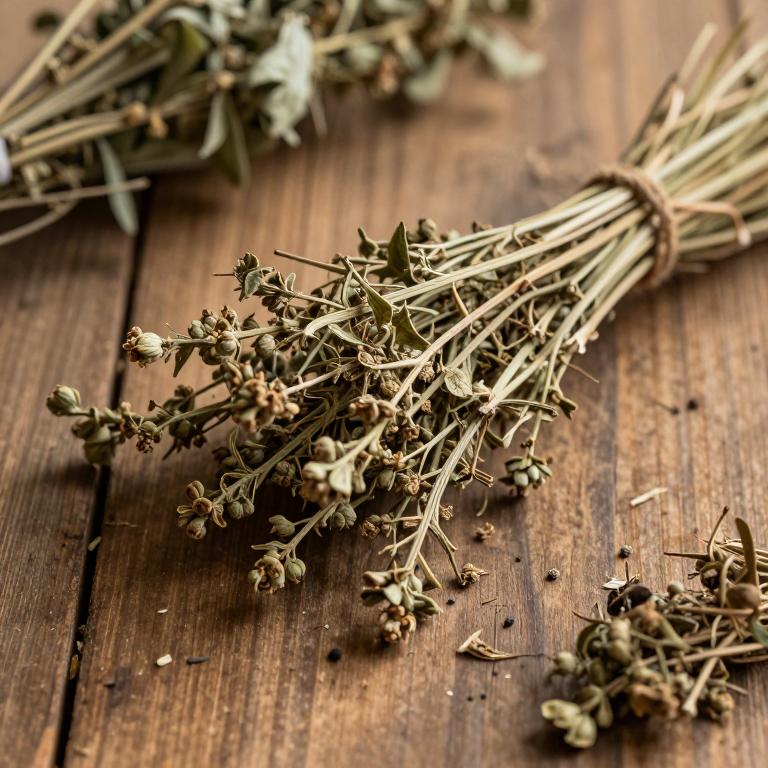
Arthrocaulon macrostachyum is a self-supporting plant that typically adopts a shrub-like growth form. This species maintains a compact stature, reaching a maximum height of approximately 1.5 meters. Depending on its environment, the plant generally ranges in size from a minimum of 0.5 meters. Such characteristics make it a sturdy and consistent component of its natural habitat.
Sources: Global Inventory of Floras and Traits (GIFT)
Biological Activities
Compounds
Conditions
Arthrocaulon macrostachyum is not explicitly identified in the provided abstract as having hypoglycaemic effects. The study focuses on various Egyptian desert plants, noting that eight specific species exhibited persistent hypoglycaemic activity. While several plants showed potent results in alloxanised diabetic rats, such as Matthiola livida and Astragalus species, Arthrocaulon macrostachyum was not among those listed. Therefore, the provided text does not support the claim that this particular plant treats hypoglycaemic effects. The research primarily highlights the effectiveness of other selected plants like Salvia aegyptiaca and Arthrocnemum glaucum instead.
Preparations
Arthrocaulon macrostachyum is prepared as extracts to evaluate its potential medicinal properties. These specific botanical preparations are utilized in studies investigating hypoglycaemic activities within various animal models. By converting the plant material into liquid forms, researchers can administer the substance orally to test its effectiveness. This method of preparation allows for a direct comparison between the plant's potency and standard medicinal drugs. Consequently, the use of extracts serves as a critical step in determining the therapeutic value of the species.