Artemisia umbelliformis
Artemisia umbelliformis · Accepted scientific name
Scientific literature: Very Sparse (0 studies) · ★☆☆☆☆
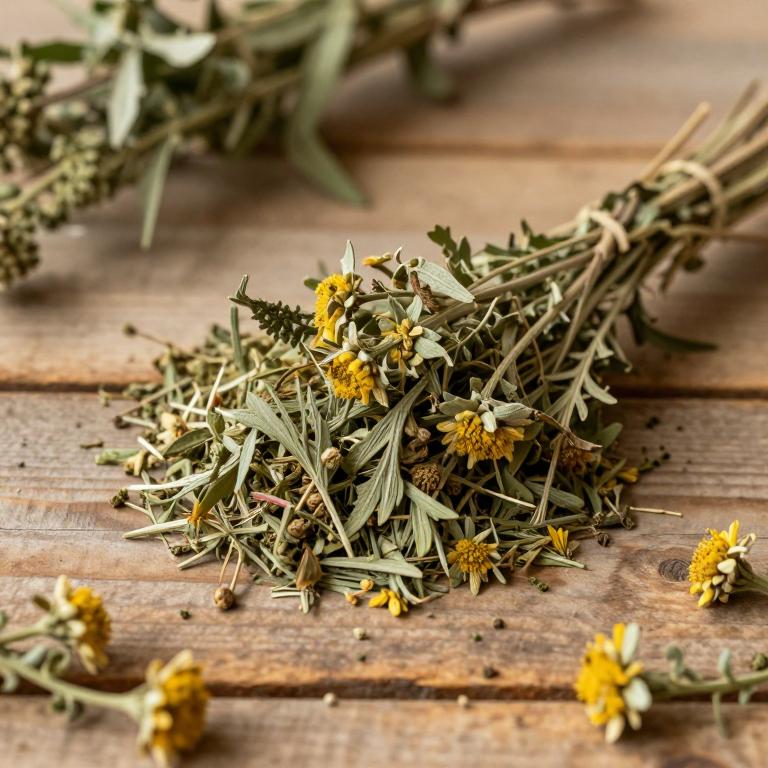
Artemisia umbelliformis is a distinctive plant species often recognized for its unique botanical characteristics and aromatic qualities. Within the world of herbalism, this plant holds a specialized niche due to its potent chemical profile. It is particularly valued by artisans for its ability to impart complex flavors and bitter notes to various botanical infusions. Consequently, it serves as a vital ingredient in the craft of creating sophisticated, high-quality liqueurs. Mastering the use of this species allows distillers to achieve a truly nuanced and traditional spirit profile.
- Synonyms
- Artemisia Glacialis Var. Umbelliformis · Absinthium Laxum · 7 more
- Common names
- Not available
- Family
- Asteraceae
- Distribution
- Not available
- Plant Parts
- Not available
Classification
Common Names
Artemisia umbelliformis is a versatile plant recognized by several different names across various regions and languages. In English-speaking areas, it is frequently referred to as either Alpine Wormwood or common Alps wormwood. The species also carries the specific designation of Assenzio genepi bianco in certain contexts. Moving into German-speaking territories, you might encounter it known as Echte Edelraute or Echter Bergwermut. These diverse common names reflect the plant's widespread presence and cultural significance throughout the alpine landscape.
Sources: Catalogue of Life (COL)
Synonyms
Artemisia umbelliformis is a botanical species characterized by a complex history of taxonomic classifications. Throughout various studies, it has been identified by several different names, including the synonym Absinthium laxum. Researchers have also documented it under the labels Artemisia delphinensis and Artemisia gabriellae. Furthermore, the plant is recognized in botanical literature as Artemisia glacialis var. umbelliformis. Finally, the name Artemisia laxa serves as another established synonym within its scientific lineage.
Sources: The World Checklist of Vascular Plants (WCVP)
Taxonomy
Artemisia umbelliformis is a fascinating species that belongs to the vast kingdom Plantae. Within this botanical realm, it is specifically classified under the class Equisetopsida. This plant further falls into the order Asterales, showcasing its unique evolutionary lineage. It is a proud member of the diverse family Asteraceae, which is known for its complex floral structures. Ultimately, this species is defined by its placement within the well-known genus Artemisia.
| Rank | Classification |
|---|---|
| Kingdom | Plantae |
| Phylum | Streptophyta |
| Class | Equisetopsida |
| Subclass | Magnoliidae |
| Order | Asterales |
| Family | Asteraceae |
| Genus | Artemisia |
Sources: The World Checklist of Vascular Plants (WCVP)
Distribution
Geographic Regions
Artemisia umbelliformis is a plant species with a broad presence across various regions of the European continent. Its distribution is notably concentrated in Middle Europe, where it can be found throughout Austria, Germany, and Switzerland. The species also extends into Southeastern Europe, specifically inhabiting the landscapes of Italy. Furthermore, its range reaches into Southwestern Europe, encompassing parts of France. This wide geographic spread highlights the plant's adaptability to diverse European environments.
Sources: The World Checklist of Vascular Plants (WCVP)
Identification
Morphology
Artemisia umbelliformis is a low-growing forb characterized by its compact and self-supporting structure. This resilient plant maintains a modest profile, reaching a maximum height of only 0.1 meters. Its diminutive stature allows it to integrate seamlessly into its natural habitat.
Sources: Global Inventory of Floras and Traits (GIFT)
Biological Activities
Compounds
Conditions
Preparations
Artemisia umbelliformis is prepared as liqueurs, most notably the spirit commonly known as Génépi. Because these beverages contain high levels of $\alpha$- and $\beta$-thujones, their production must adhere to strict European Union regulations regarding monoterpenoid limits. Researchers utilize the plant's unique volatile profile to predict the specific thujone content found in the resulting liqueurs. Advanced analytical methods like HS-SPME and GC-MS allow for the chemometric description of these plant-related products. These diagnostic tools ultimately ensure the safety and quality of the liqueurs produced from the species.