Artemisia kurramensis
Artemisia kurramensis · Accepted scientific name
Scientific literature: Very Sparse (1 studies) · ★☆☆☆☆
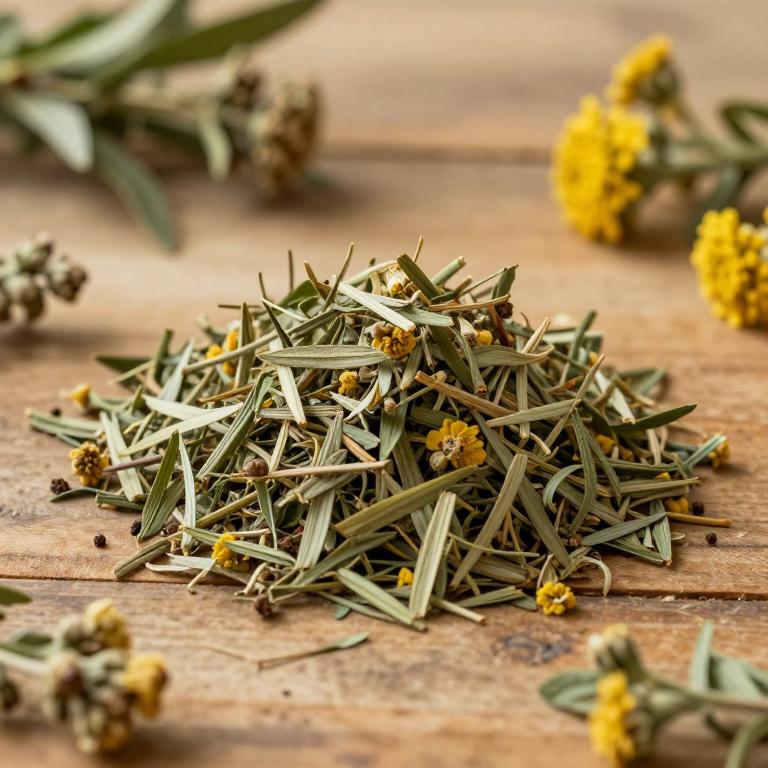
Artemisia kurramensis is a notable medicinal plant known for its diverse therapeutic potential in traditional medicine. Recent scientific investigations have focused on its pharmacological properties, specifically regarding its hepatoprotective activities. Researchers have extensively utilized the methanolic extract, commonly referred to as SKM, to study these beneficial effects. This specific preparation has demonstrated a significant capacity to protect liver cells against various forms of chemical injury. Consequently, understanding the efficacy of SKM provides valuable insights into the plant's role in supporting hepatic health.
- Synonyms
- Seriphidium Kurramense · Artemisia Maritima Var. Willdenowiana
- Common names
- Not available
- Family
- Asteraceae
- Distribution
- Not available
- Plant Parts
- Not available
Classification
Synonyms
Artemisia kurramensis is a plant species that has been identified under several different botanical names throughout its taxonomic history. Within scientific literature, it is recognized as a synonym of Artemisia maritima var. willdenowiana. Furthermore, the species is also formally linked to the synonym Seriphidium kurramense. These varying designations highlight the complex nature of botanical classification and the evolving understanding of plant lineages. Understanding these nomenclatural relationships is essential for researchers seeking accurate data on this specific taxon.
Sources: The World Checklist of Vascular Plants (WCVP)
Taxonomy
Artemisia kurramensis is a fascinating botanical specimen that belongs to the kingdom Plantae. Within this vast kingdom, the plant is classified under the class Equisetopsida. It is further organized into the order Asterales, showcasing its specific evolutionary lineage. This species is a prominent member of the genus Artemisia, a group known for its diverse characteristics. Finally, it finds its taxonomic home within the extensive Asteraceae family.
| Rank | Classification |
|---|---|
| Kingdom | Plantae |
| Phylum | Streptophyta |
| Class | Equisetopsida |
| Subclass | Magnoliidae |
| Order | Asterales |
| Family | Asteraceae |
| Genus | Artemisia |
Sources: The World Checklist of Vascular Plants (WCVP)
Distribution
Geographic Regions
Artemisia kurramensis is a plant species characterized by a broad and diverse geographic distribution across multiple regions. In the temperate zones of Asia, it can be found stretching through Western Asia and into Afghanistan. Its presence also extends into the tropical regions of the Asian continent, particularly within the Indian Subcontinent. Within these warmer climates, the species is notably prevalent throughout Pakistan. This wide range highlights the plant's ability to adapt to varying environmental conditions across the continent.
Sources: The World Checklist of Vascular Plants (WCVP)
Identification
Biological Activities
Artemisia kurramensis, also known as Seriphidium kurramense, has demonstrated significant hepatoprotective activity in recent pharmacological studies. Researchers investigated the plant's therapeutic potential by testing its methanolic extract against liver toxicity induced by carbon tetrachloride in rats. The results indicated that the extract effectively reduces damage by increasing antioxidant status and lowering the generation of harmful free radicals. Furthermore, the treatment was shown to decrease DNA damage and reverse morphological alterations in the liver tissues. These findings highlight the plant's promise as a natural agent for protecting the liver from oxidative stress and chemical-induced injury.
Compounds
Conditions
Artemisia kurramensis, also known as Seriphidium kurramense, demonstrates significant potential in treating CCl4-induced hepatic damage. The methanolic extract of this plant effectively treats carbon tetrachloride- (CCl4)- induced hepatotoxicity in experimental rat models. By increasing antioxidant status and reducing oxidative stress, the plant successfully treats CCl4-induced hepatotoxicity. It further aids in recovery by acting to treat CCl4-induced liver toxicity through the reduction of DNA damage and hydrogen peroxide levels. Ultimately, the plant serves as a therapeutic agent that treats CCl4-induced hepatic damage by reversing morphological alterations.
Preparations
Artemisia kurramensis is prepared as a methanolic extract, commonly referred to as SKM, for pharmacological investigation. This specific preparation is utilized to evaluate the plant's therapeutic potential in various biological models. In the studied research, the SKM extract was tested for its ability to mitigate damage caused by carbon tetrachloride. The results indicated that this methanolic preparation effectively counters hepatotoxicity by enhancing antioxidant status. Consequently, the preparation of Artemisia kurramensis as SKM serves as a vital component in demonstrating its hepatoprotective properties.