Artemisia inculta
Artemisia inculta · Accepted scientific name
Scientific literature: Very Sparse (0 studies) · ★☆☆☆☆
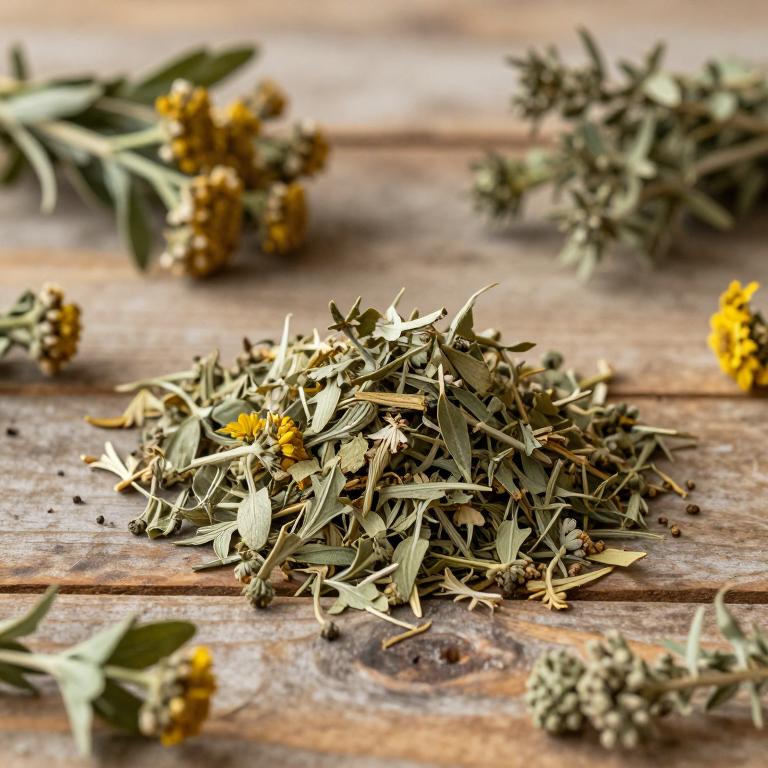
Artemisia inculta is a botanical species recognized for its diverse pharmacological potential in traditional medicine. When utilized to support weight gain, this plant serves as a valuable natural resource for metabolic regulation. It can be effectively administered through various preparations, including aqueous infusions and aqueous-glycerolic solutions. For more concentrated therapeutic effects, practitioners may also employ decoctions or methanolic extracts. Understanding these specific preparation methods is essential for optimizing the plant's efficacy in nutritional support.
- Synonyms
- Seriphidium Incultum · Artemisia Herba-Alba Var. Densiflora
- Common names
- Not available
- Family
- Asteraceae
- Distribution
- Africa
- Plant Parts
- Not available
Classification
Synonyms
Artemisia inculta is a plant species that has undergone various taxonomic reclassifications over time. In botanical literature, it is frequently identified by its synonym Artemisia herba-alba var. densiflora. Additionally, the plant is recognized under the alternative name Seriphidium incultum. These overlapping names reflect the complex evolutionary history and shifting scientific classifications within its genus. Understanding these relationships is essential for researchers seeking to accurately document the species in diverse ecological studies.
Sources: The World Checklist of Vascular Plants (WCVP)
Taxonomy
Artemisia inculta is a distinctive member of the kingdom Plantae that plays a specific role in its natural ecosystem. This species is classified under the class Equisetopsida and belongs to the diverse order Asterales. Within this taxonomic hierarchy, it is further categorized into the family Asteraceae. As a representative of the genus Artemisia, it shares characteristics with many other well-known botanical relatives. Understanding these biological relationships provides essential insight into the plant's evolutionary history and identity.
| Rank | Classification |
|---|---|
| Kingdom | Plantae |
| Phylum | Streptophyta |
| Class | Equisetopsida |
| Subclass | Magnoliidae |
| Order | Asterales |
| Family | Asteraceae |
| Genus | Artemisia |
Sources: The World Checklist of Vascular Plants (WCVP)
Distribution
Geographic Regions
Artemisia inculta is a resilient plant species with a wide geographical presence spanning several continents. Its distribution includes significant portions of Northern Africa, specifically within the territories of Egypt and Libya. The species also extends into the Asia-Temperate zone, finding a home in the Sinai region of Western Asia. Furthermore, it can be found in Europe, with documented occurrences in Southeastern Europe on the island of Kriti. This broad range demonstrates the plant's ability to adapt to diverse Mediterranean and arid environments.
Sources: The World Checklist of Vascular Plants (WCVP)
Identification
Biological Activities
Compounds
Conditions
Artemisia inculta demonstrates a favorable safety profile during chronic toxicity evaluations in mice. Unlike its relative A. abyssinica, this plant failed to produce any significant spermatotoxic effect in the subjects. The study also highlighted that the weight gain of animals treated with A. inculta matched that of the control group. These findings suggest that the ethanol extracts do not cause significant damage to sperm production. Furthermore, the plant's impact on body weight remains consistent with normal physiological growth.
Preparations
Artemisia inculta is commonly consumed as part of the Mediterranean diet in the form of aqueous infusions. In scientific studies, this plant is also prepared as decoctions to analyze its secondary metabolites and antioxidant capacity. Researchers utilize methanolic extracts of the species to investigate various chemical components. Additionally, the plant is prepared as an aqueous-glycerolic extract to study its high levels of terpenoids and phenolic content. These diverse preparation methods allow for a comprehensive evaluation of the plant's potential in food, cosmetic, and pharmaceutical applications.